High-Back Camping Chairs for Neck Support: Ergonomic Comfort & Top Picks

Jump to section
Sitting at camp for hours can leave your neck and shoulders aching if your chair doesn’t support you. High-back camping chairs really change the game for how you rest outdoors. Whether you’re by the campfire, a lake, or just people-watching, you’ll stay relaxed a lot longer.
High-back camping chairs with headrests support your neck and head, reduce strain, and let you sit upright naturally for longer stretches. Taller back panels, shaped frames, and padded or adjustable headrests help keep your spine in a better position.
This guide explores how design, materials, and features combine to boost comfort and support. It’ll help you find a chair that fits your body, travel style, and comfort needs—so your neck feels better on every trip.
Why Choose a High-Back Camping Chair
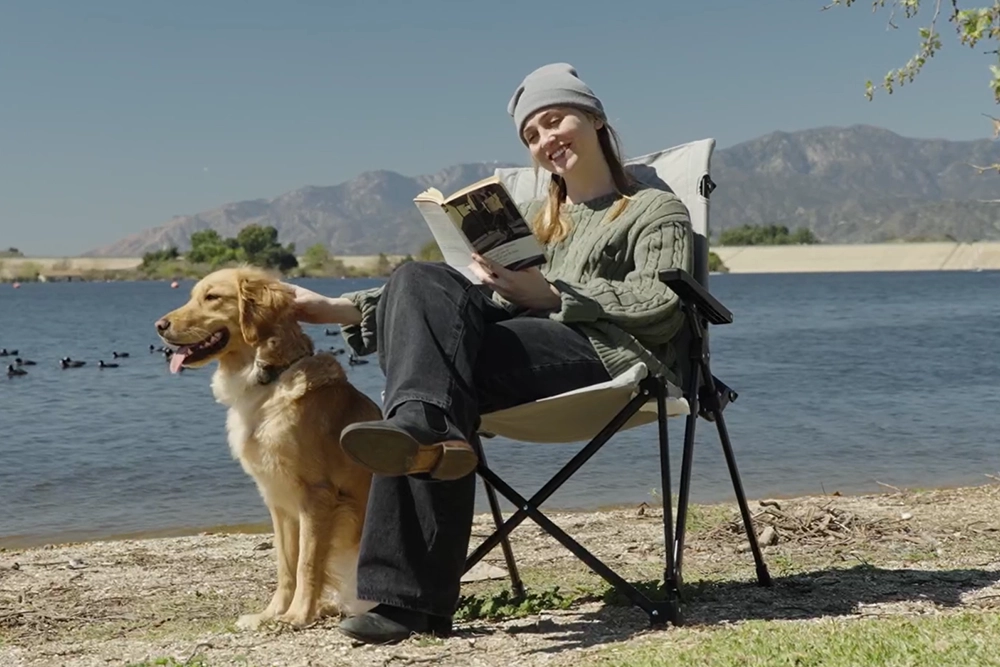
A high-back camping chair makes long sits way more comfortable. It supports your spine, neck, and head when you’re resting, eating, or just zoning out by the fire.
Details like back height and headrests really affect how your body feels after a while outside.
Benefits of Ergonomic High-Back Design
An ergonomic high-back camping chair follows the natural curve of your spine. This shape lets you sit upright without feeling strained.
With a tall back, your weight spreads out more evenly. That takes pressure off your lower back and shoulders.
Many back support camping chairs use firm frames and tensioned fabric, so the seat doesn’t sag. Stable support is pretty important when you’re sitting for a long time.
Importance of Proper Neck and Headrest Support
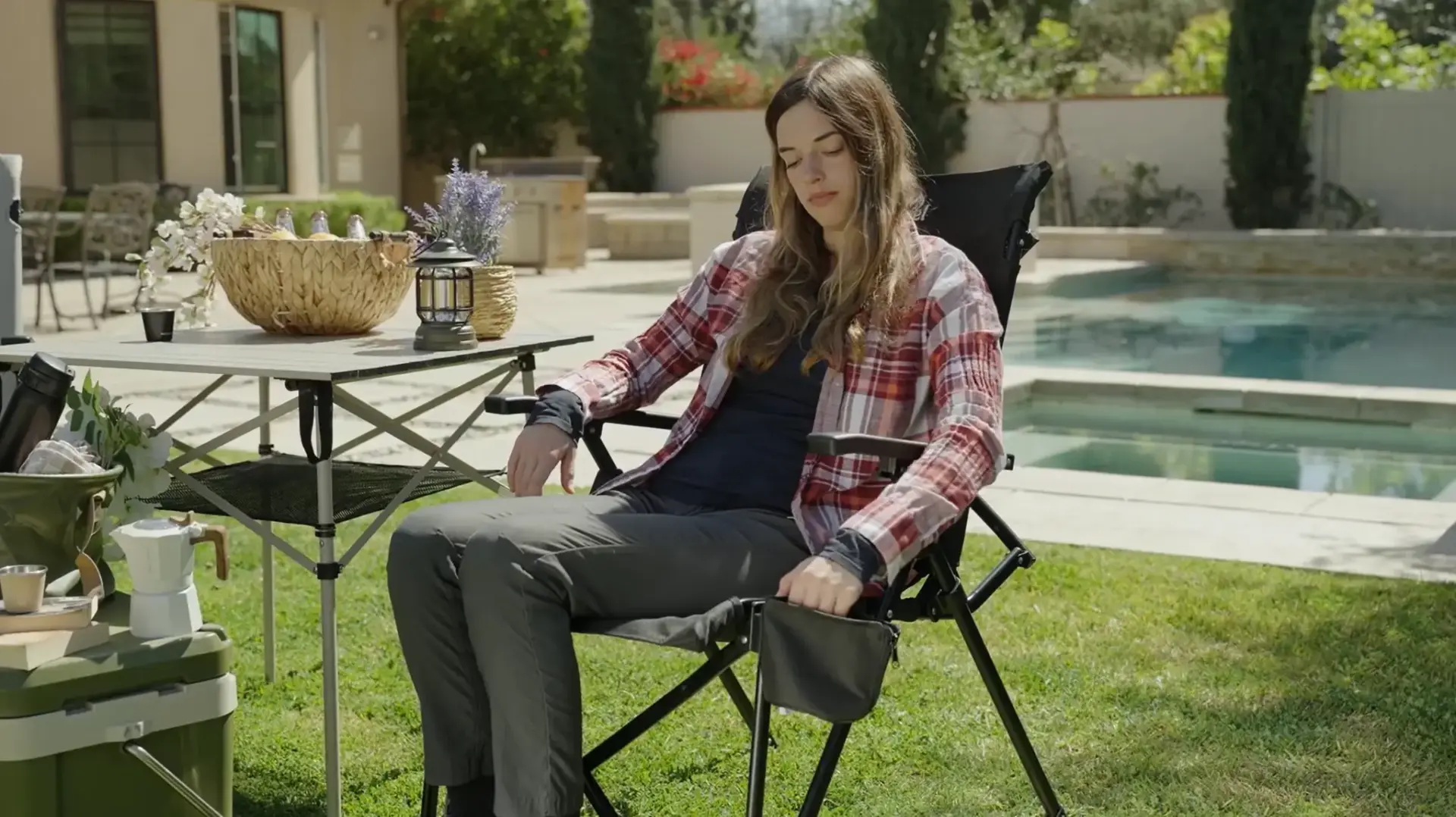
A camping chair with a headrest keeps your neck supported when you lean back. Without it, your neck tends to bend back awkwardly, which leads to soreness.
A good headrest keeps your head level with your spine. This alignment eases muscle tension and really helps if you’re reading, stargazing, or sneaking in a quick nap.
Some high-back chairs have adjustable or removable headrests. Being able to tweak the height makes a difference, especially if you’re taller or shorter than average.
Differences Between High-Back and Standard Camping Chairs
High-back and standard camping chairs really serve different needs. The biggest difference is how much support you get for your upper body and neck.
| Feature | High-Back Camping Chair | Standard Camping Chair |
| Back height | Reaches shoulders or head | Stops at mid-back |
| Neck support | Often includes headrest | Rare or none |
| Best use | Long sitting periods | Short breaks |
Standard camping chairs are fine for quick meals or short breaks. If you plan to hang out for hours, a high-back chair is just better for neck and head support.
Key Features for Ergonomic Comfort in High-Back Camping Chairs
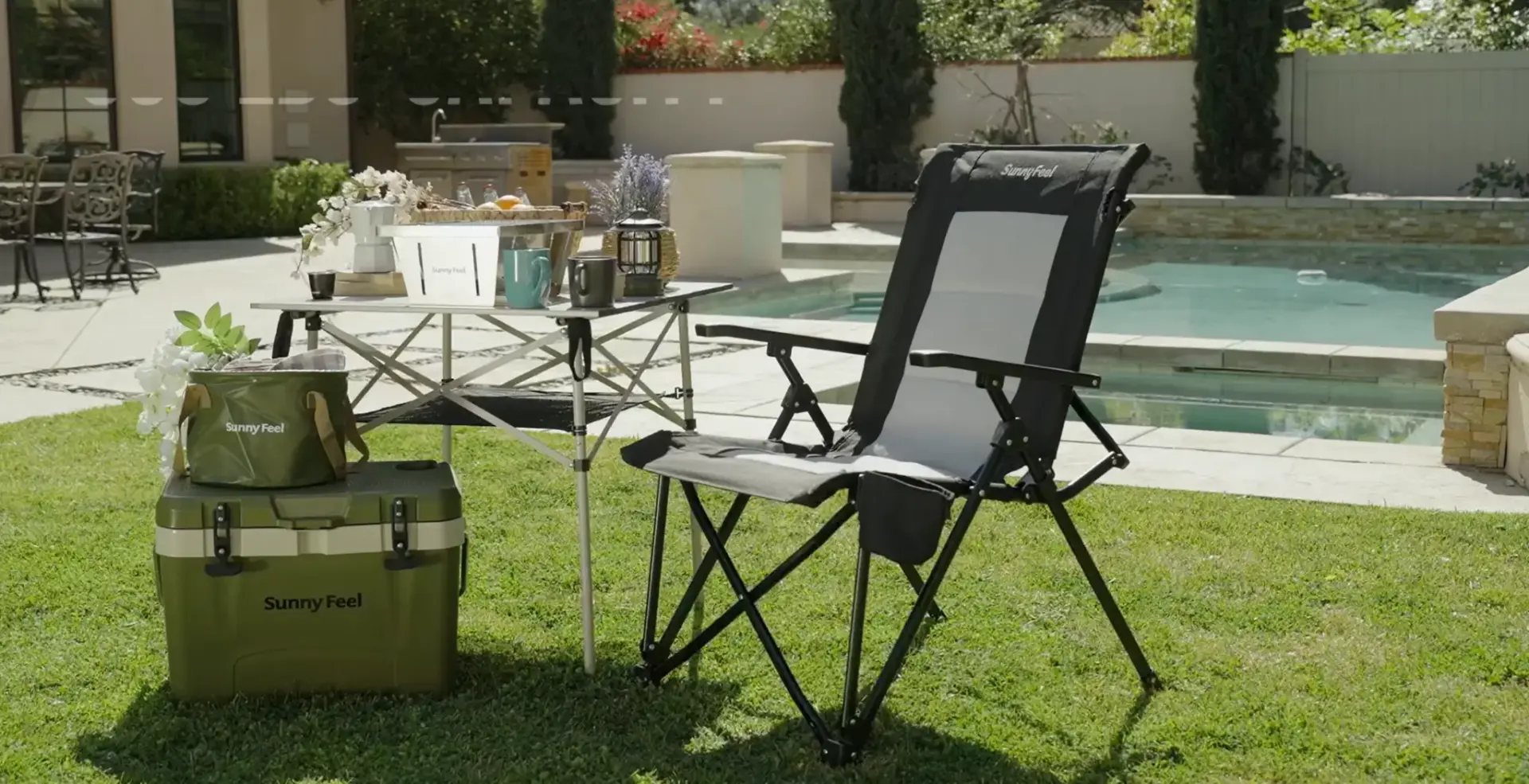
Design choices can protect your neck, reduce back strain, and help you sit longer without discomfort. Ergonomic features also impact airflow, fit, and how well the chair adapts to your body.
Adjustable High Backrests
An adjustable high back lets you change the chair’s height and angle to fit your posture. This is pretty important for long days at camp or at events.
Fixed backs sometimes push your head forward or leave your neck hanging. Multiple recline settings or tension straps let you fine-tune support with little effort.
On an oversized camping chair, adjustability matters even more since the seat depth is bigger.
A well-designed high back chair keeps your spine upright but still lets you relax.
Padded and Contoured Headrests
A camping chair with pillow supports your neck as you lean back. Flat headrests just don’t cut it—they don’t match the curve of your neck.
Contoured padding keeps your head lined up with your spine. Some chairs come with removable or adjustable pillows, which is nice if you’re picky about height.
Soft foam is usually more comfortable than stiff padding, especially if you’re sitting for a while.
Lumbar and Back Support Elements
Lower back support is huge for comfort. Many high-back camping chairs include built-in lumbar curves or tension panels to keep your spine in a natural position.
Some models use elastic bands or shaped frames, while others add light padding in the lower back area. Both help reduce pressure during long sits.
Even a portable camping chair can offer solid back support if the frame stays firm under your weight.
Breathable Mesh and Ventilation Technologies
A breathable mesh back helps with airflow and keeps you cooler. This is a big deal in warm weather or when you’re near a fire.
Mesh panels usually go in the upper back or center section. Some chairs mix mesh with padded zones for a balance of comfort and breathability. Durable mesh also dries fast if it gets wet.
Materials and Construction for Durability and Support
The right materials really decide how well a high-back camping chair supports your neck and lasts through the seasons. Frame type, fabric strength, and weight ratings all affect comfort and safety.
Frame Materials: Aircraft-Grade Aluminum vs. Heavy-Duty Steel
Frame material changes the strength, weight, and how easy the chair is to move. Aircraft-grade aluminum frames show up in a lot of ultralight camping chairs. They resist rust and usually weigh under 4 pounds, so you can carry them on hikes. They might flex a bit more, though.
Heavy-duty steel frames are better for car camping or backyard use. They’re heavier—usually 10 to 13 pounds—but feel stiffer and more stable when you lean back.
Fabric Options: 600D Polyester and Ripstop Materials
Fabric quality changes how comfortable and durable the chair feels. Heavy-duty 600D polyester is common in folding chairs. It holds up to repeated folding and resists tearing. Padded versions give your upper back and neck a little extra comfort.
Ripstop fabrics have a grid weave that slows down tears. You’ll see these more on ultralight chairs. They’re thinner but still supportive if the frame is solid.
Mesh panels near the neck and shoulders help with airflow and keep things cooler, especially in hot weather.
Weight Capacity and Stability Considerations
Weight capacity depends on frame design and joint strength. Most high-back chairs handle 250 to 330 pounds, while oversized models go up to 450 or 500 pounds. Always check the rated limit—seat width alone doesn’t tell the whole story.
Stability matters just as much. Wide leg spacing, reinforced crossbars, and anti-sink feet help prevent tipping when you shift or recline.
A stable chair keeps your head and neck lined up, so the headrest can actually do its job—even if the ground’s a little uneven.
How to Choose the Right High-Back Chair for Your Needs
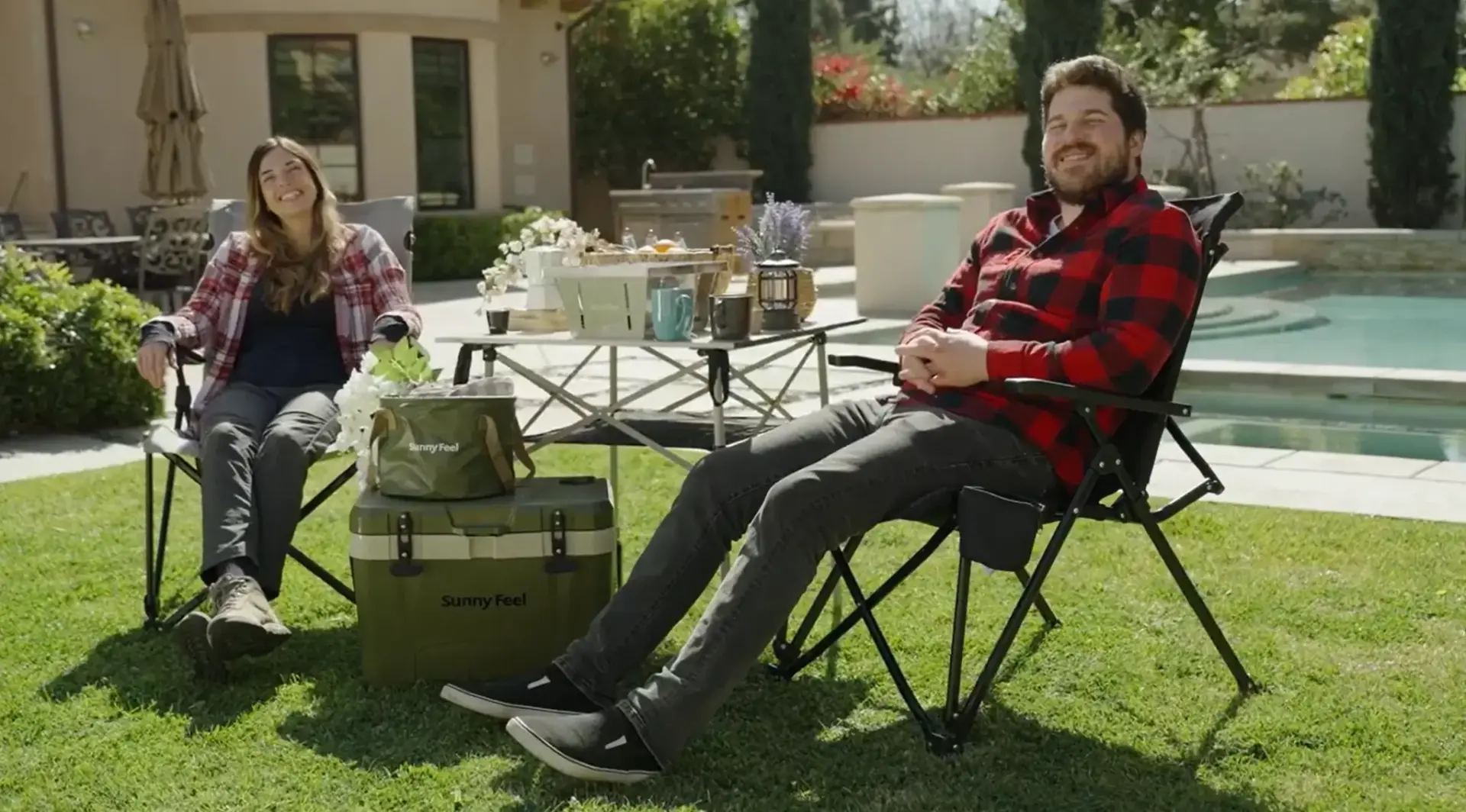
Getting the best neck support means finding a chair that fits your travel style and how you like to sit and rest. Size, weight, setup style, and how the chair fits your body shape all matter.
Portability: Packed Size and Weight Considerations
Packed size and weight decide how easy the chair is to bring along. A lightweight camping chair under 5 pounds is great for hiking or trips where space is tight.
Backpacking chairs or compact camping chairs usually fold down into a slim bag that fits in a pack or a small trunk. Many high-back models with aluminum frames balance low weight and strong support.
Heavier chairs—10 to 20 pounds—offer more padding and sturdy armrests. They’re better for car camping, tailgates, or events where you don’t have to walk far with them.
Quick guide:
| Use case | Ideal weight | Packed size |
| Backpacking | 3–5 lbs | Slim, short |
| Car camping | 8–15 lbs | Medium |
| Comfort-first | 15+ lbs | Large |
Ease of Setup and Adjustability
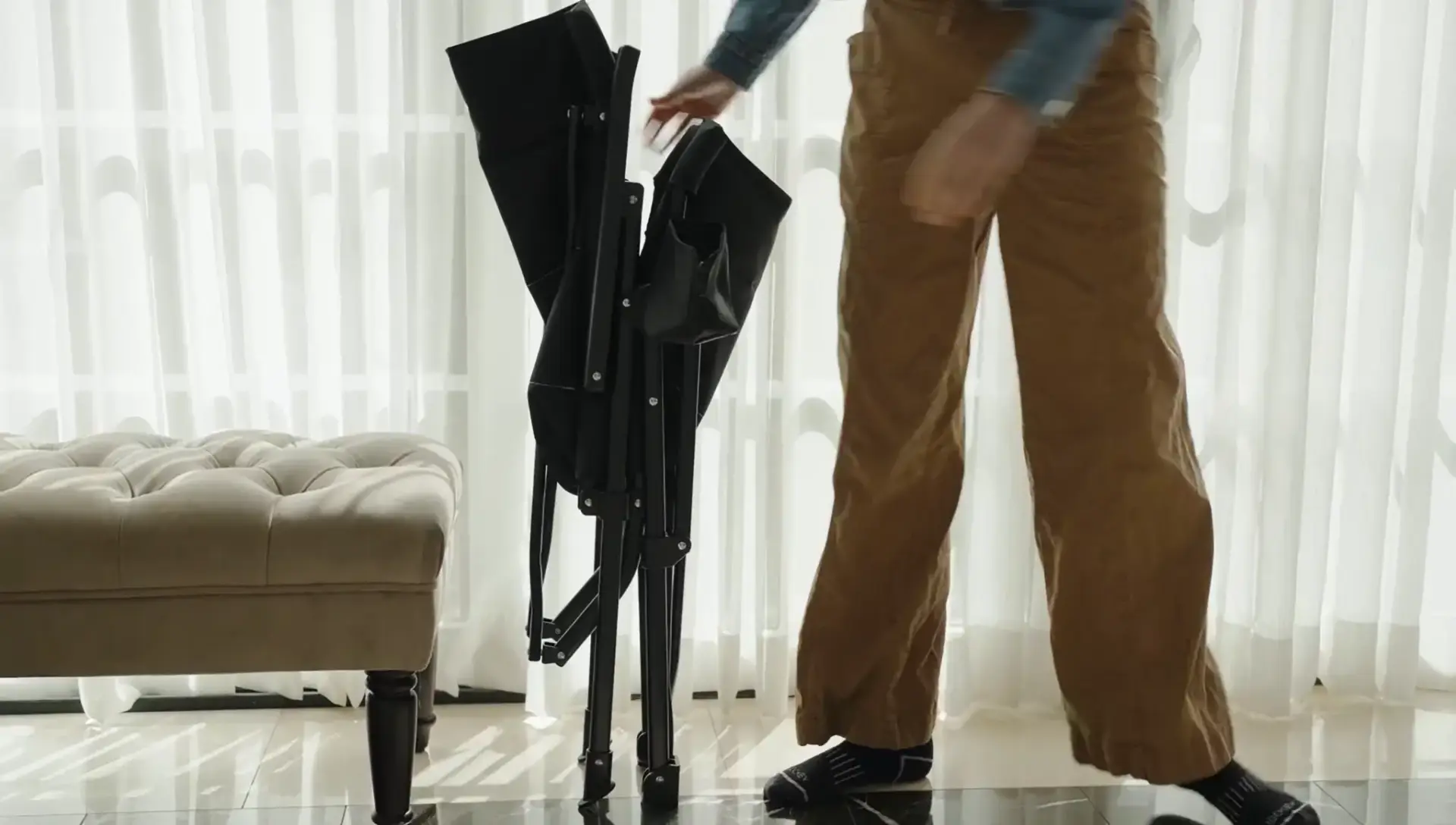
Setup time makes a difference if you move around a lot. Many high-back chairs now use instant fold or elastic pole systems that pop open in seconds.
Adjustable headrests or built-in pillows keep your neck upright, which beats having your head tilt forward. Some chairs even have adjustable lumbar straps for better back support.
Reclining models feel great but add weight and take longer to set up. If you want it simple, a fixed high-back design with fewer moving parts is the way to go.
Compatibility for Different Body Types and Preferences
Height, weight, and how you like to sit should guide your choice. If you’re tall, make sure the chair’s back actually reaches your neck and head—not just your shoulders.
Weight capacities range from about 225 to 500 pounds. Oversized chairs offer wider seats and higher backs, which is nice if you shift position a lot or just want more room.
Seat height matters, too. Higher seats make standing up easier and reduce knee strain, while lower seats feel more laid-back but offer less support.
Mesh panels help with airflow, while padded fabric is better if you camp in cooler weather and want to stay warm.
Frequently Asked Questions
What features should I look for in a high-back camping chair for optimal neck support?
Go for a tall backrest that reaches the base of your head. A built-in or removable headrest helps keep your neck in a neutral position.
Chairs with firm but padded fabric in the upper back feel better for longer sessions. Breathable mesh keeps things cool while still supporting you.
Check the frame and weight rating, too. A stable frame prevents sagging and helps avoid neck strain during long sits.
How does an ergonomic high-back camping chair benefit my posture during long sitting periods?
An ergonomic high-back chair supports your spine from lower back to neck. This support lets you sit upright without constant muscle effort.
A shaped backrest can help stop slouching. Better alignment lowers pressure on your neck and shoulders.
Some chairs add lumbar support or a slightly curved frame. These little touches help your posture stay steady over time.
How do I balance portability and comfort when choosing a high-back camping chair with neck support?
Chair weight and folded size matter a lot here. Lightweight aluminum frames keep things sturdy but don’t weigh you down.
Think about your travel style. Hikers lean toward chairs under four pounds.
Car campers usually go for heavier models with extra padding. It really depends—sometimes comfort wins over weight.Quick setup systems help a ton, especially after a long day. A carry bag can make hauling the chair less of a hassle without sacrificing neck support.
Want to Know More About Our Products?
View All Products NowAbout Author
Spring Nee
Spring Nee is the Sales & Marketing Director at Zhejiang Sunshine Leisure Products Co., Ltd. With nearly 20 years of experience in the outdoor leisure furniture industry, she specializes in camping chairs, beach chairs, folding outdoor seating, and OEM/ODM project communication. Spring also leads the company’s marketing content direction. Most of the articles published on this website are either written by Spring herself or reviewed by her before publication, ensuring that the content is practical, accurate, and based on real industry experience.