Event-Specific Seating Guide—Low Profile vs. Standard Height: Best Chairs for Concerts

Jump to section
Choosing the right chair can shape your concert experience before the music even starts. Some venues allow low seating to protect sightlines, while others support standard-height chairs for easier entry and exit. Low-profile chairs work best for lawn and festival shows with height rules, while standard-height chairs fit indoor venues and stadiums where visibility and support matter more.
You want comfort without blocking views or breaking venue rules. Seat height affects leg comfort, balance on grass, and how easily you stand during breaks. Chair design also plays a role in airflow, weight limits, and how fast you can set up in a crowded space.
This guide helps you match chair type to venue, crowd size, and event needs. You get clear facts on comfort, safety, buying tips, and setup logistics, so you arrive prepared and stay focused on the show.
Key Differences: Low Profile vs. Standard Height Chairs
Low profile and standard height chairs serve different needs at concerts. Your choice affects sightlines, comfort, row spacing, and how the crowd feels during the show.
Definition of Low Profile and Standard Height
Low profile chairs sit close to the ground. Most have a seat height under 10 inches. Many venues approve them for festivals and outdoor concerts because they reduce blocked views.
Standard height chairs match dining or banquet chairs. They usually have seat heights around 17–18 inches. You see them often at indoor concerts, theaters, and ticketed seating areas.
The height difference changes more than comfort. It affects row spacing, aisle width, and how many people you can seat. Low profile chairs often allow tighter rows. Standard height chairs need more legroom to keep people comfortable when standing up or sitting down.
Pros and Cons for Concerts
Each chair type fits certain concert settings better than others. You should match the chair to crowd size, venue rules, and show style.
Low Profile Chairs
- Pros: Better sightlines, tighter row spacing, lighter to move
- Cons: Harder to stand up, less support for long shows
Standard Height Chairs
- Pros: Easier entry and exit, more comfort, familiar feel
- Cons: Can block views, needs wider row spacing
| Feature | Low Profile | Standard Height |
| Typical seat height | Under 10 in | 17–18 in |
| Row spacing | Tighter | Wider |
| Best use | Outdoor, festivals | Indoor, reserved seating |
Visual Impact and Audience Experience
Chair height shapes how the audience sees the stage. Low profile chairs keep heads lower, so people behind you see more of the performance. This matters most at flat outdoor sites.
Standard height chairs raise the crowd. This can hurt sightlines but improve personal comfort. People often feel more stable and relaxed during long sets.
Row spacing also affects the experience. Tight rows boost capacity but reduce legroom. Wider rows improve comfort and movement but limit ticket counts.
You should balance visibility, comfort, and crowd flow. The right chair supports the show without distracting from it.
Concert Venue Considerations: Auditorium, Outdoor, and Stadium
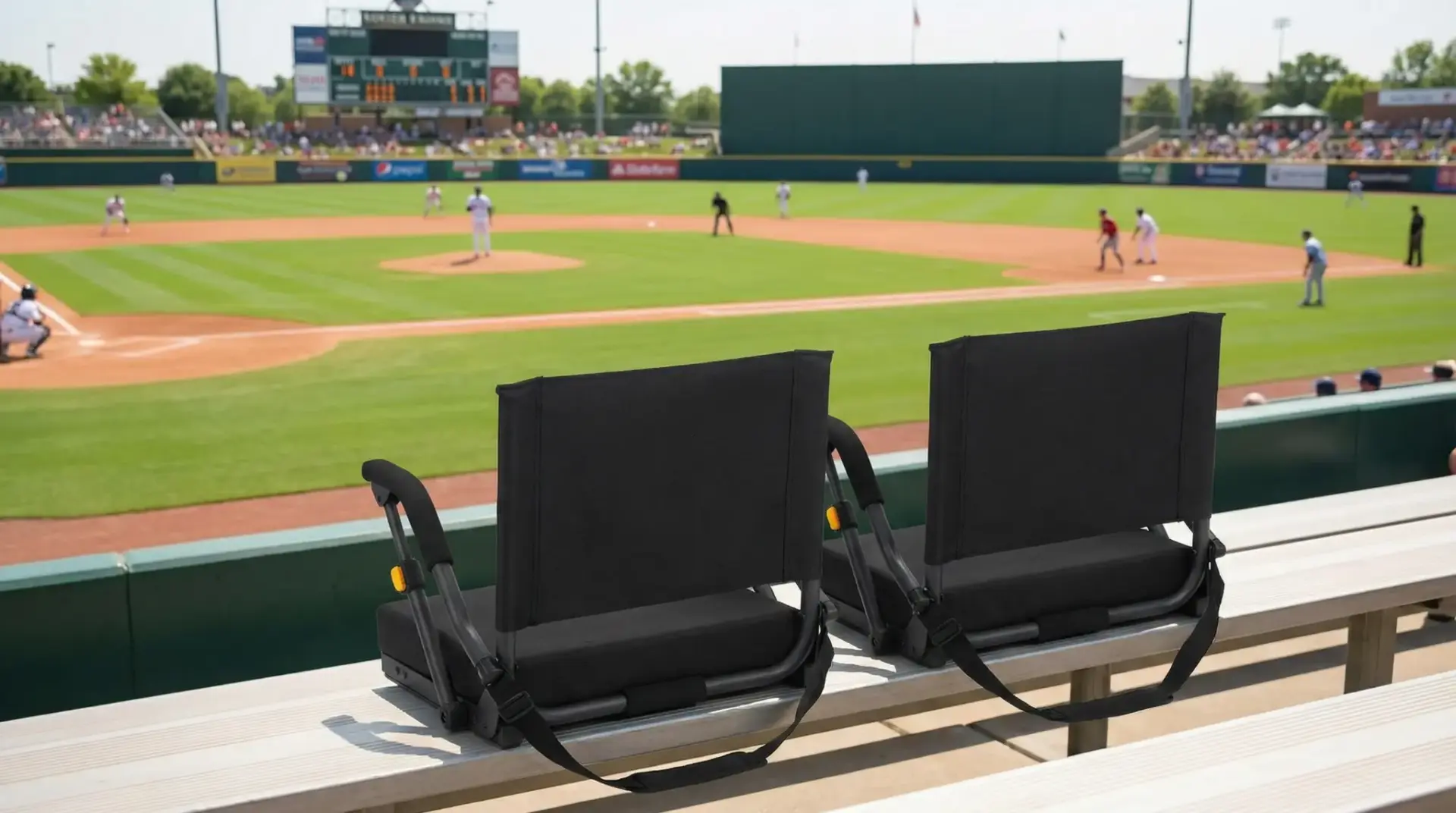
Each concert venue places different demands on seating height, layout, and comfort. You need to match chair style to sightlines, floor conditions, and crowd flow to avoid blocked views and safety issues.
Venue Types and Seating Needs
Auditoriums use fixed or semi-fixed layouts with clear rows and aisles. You often rely on a standard auditorium seat height to keep sightlines consistent from front to back. Raked floors and tiered seating support taller chairs without blocking views.
Outdoor venues vary more. Flat lawns, temporary decks, and mixed surfaces change how people see the stage. Low profile chairs help keep views open on flat ground, especially in general admission areas.
Stadiums focus on scale and distance. Most seating sits high and far from the stage. You need standard height chairs or built-in seating to keep viewers above railings and crowd movement. Low-profile chairs work only in field-level zones with strict layout control.
Space Limitations and Accessibility
Space limits affect chair height and spacing. In auditoriums, aisle width, row depth, and exit access follow code rules. You must leave room for wheelchairs and companion seating within each seating block.
Outdoor spaces often lack clear boundaries. You control space with chair size and layout. Low profile chairs reduce trip risks and help maintain clear paths on uneven ground. You still need firm, stable legs to prevent sinking.
Stadium seating demands strict compliance. You must keep walkways open and avoid loose chairs near stairs. Accessible seating must offer equal views, which often requires standard height chairs or raised platforms. Always plan for load-in, load-out, and crowd flow.
Best Chair Choices by Venue Type
| Venue Type | Best Chair Height | Why It Works |
| Auditorium | Standard height | Matches sightlines and fixed row spacing |
| Outdoor lawn | Low profile | Reduces blocked views on flat ground |
| Outdoor deck | Standard height | Improves comfort and stage visibility |
| Stadium field | Low profile (controlled areas) | Keeps views clear without rail conflicts |
| Stadium bowl | Standard height | Aligns with elevation and safety rules |
Choose padded seats for long concerts. Use lighter frames where crews need fast setup. When you select the right height for each venue, you protect views, improve comfort, and support safe movement.
Comparing Chair Types for Concerts
Different chair types change how you sit, carry gear, and follow venue rules. Your choice affects sightlines, comfort over time, and how easy it is to move through crowds.
Folding Chairs: Portability and Usage
Folding chairs remain the most common option for outdoor concerts. You can carry them easily, set them up fast, and store them in a small space. Many low-profile folding chairs sit close to the ground, which helps protect sightlines in packed lawn areas.
Standard-height folding chairs raise you higher, similar to an auditorium seat. This height helps if you have knee or back issues. It can also block views at lawn shows that limit chair height.
Key features to check include weight, folded size, and seat height.
| Feature | Why It Matters |
| Seat height | Affects sightlines and comfort |
| Carry bag | Speeds up entry and exit |
| Frame strength | Supports longer shows |
Stackable and Reclining Chair Options
Stackable chairs appear more often at ticketed or managed venues. Staff can place and remove them quickly, which keeps aisles clear. These chairs feel similar to an auditorium seat but often lack padding and arm support.
Reclining chairs focus on comfort during long sets. Some low-profile models offer a slight recline without raising your head above others. Others recline deeply but may break venue rules.
You should check recline angles before buying.
- Upright recline: Better for viewing stages
- Deep recline: Better for casual listening
- Locking positions: Adds stability on grass
Specialty Seating: Wheelchair-Accessible and Cantilever Chairs
Wheelchair-accessible seating provides level ground, clear views, and open space. Venues usually place these areas near aisles or ramps. You should confirm space size and companion seating before the event.
Cantilever chairs use a frame that flexes under your weight. They reduce pressure points and help you sit longer without shifting. Many cantilever designs sit low and work well on lawns.
These chairs often weigh more than folding chairs. Balance comfort with how far you need to carry them.
Material Matters: Fabric vs. Resin and More
Chair material affects heat, airflow, and long-term use. Fabric seats with mesh panels allow air to move, which helps during summer shows. They also pack down smaller than rigid chairs.
Resin and molded plastic chairs resist moisture and clean easily. You often see them in stackable designs at venues. They feel firm and provide less airflow.
Frame material matters too.
Common frame options:
- Steel: Strong but heavier
- Aluminum: Lighter and easier to carry
- Reinforced plastic: Lower weight with moderate strength
Match materials to weather, venue rules, and how long you plan to sit.
Optimizing Audience Comfort and Safety
You improve the event experience when you balance comfort with clear safety standards. Chair height, support, and build quality affect how long guests stay engaged and how well you manage risk in busy venues.
Ergonomics and Lumbar Support
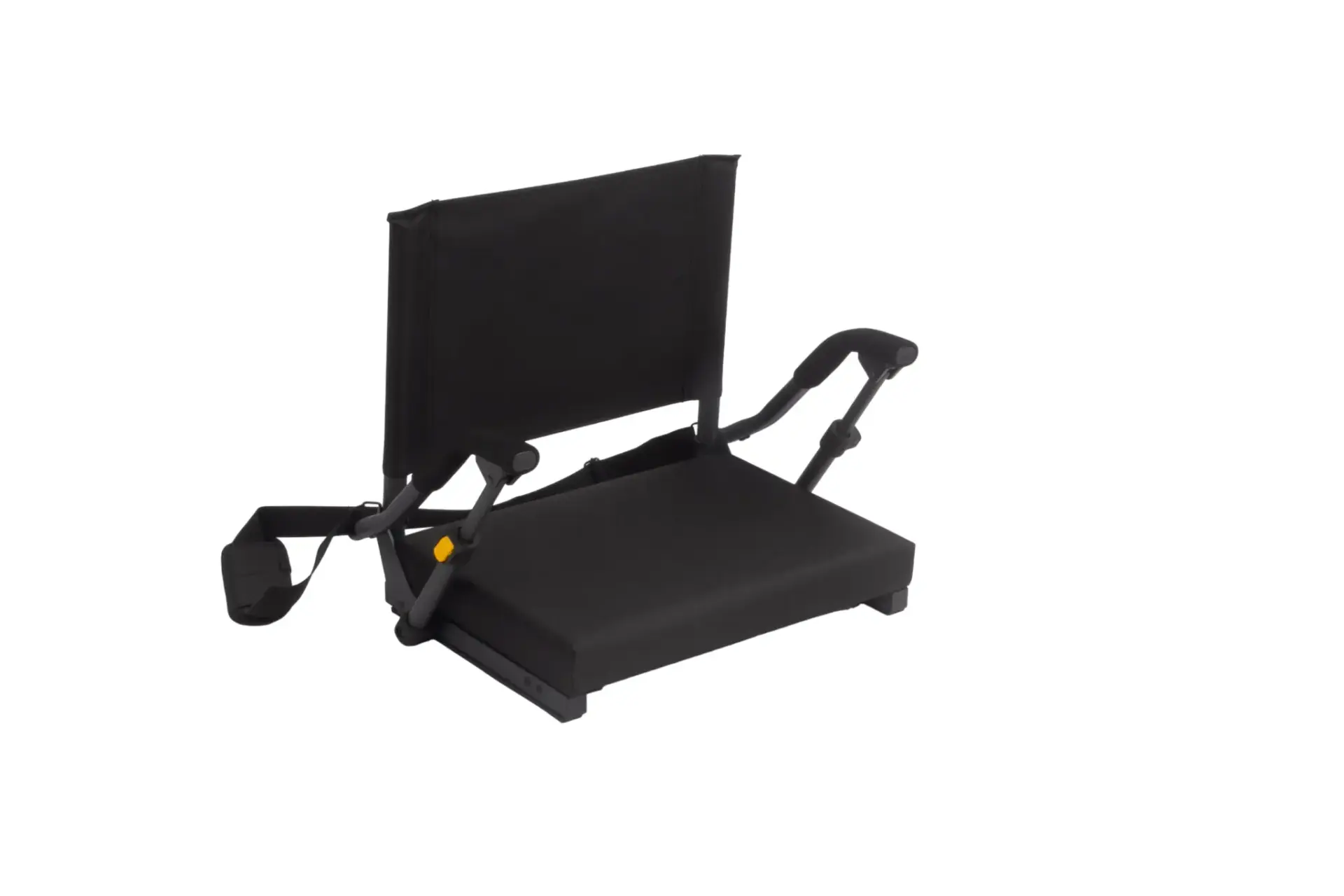
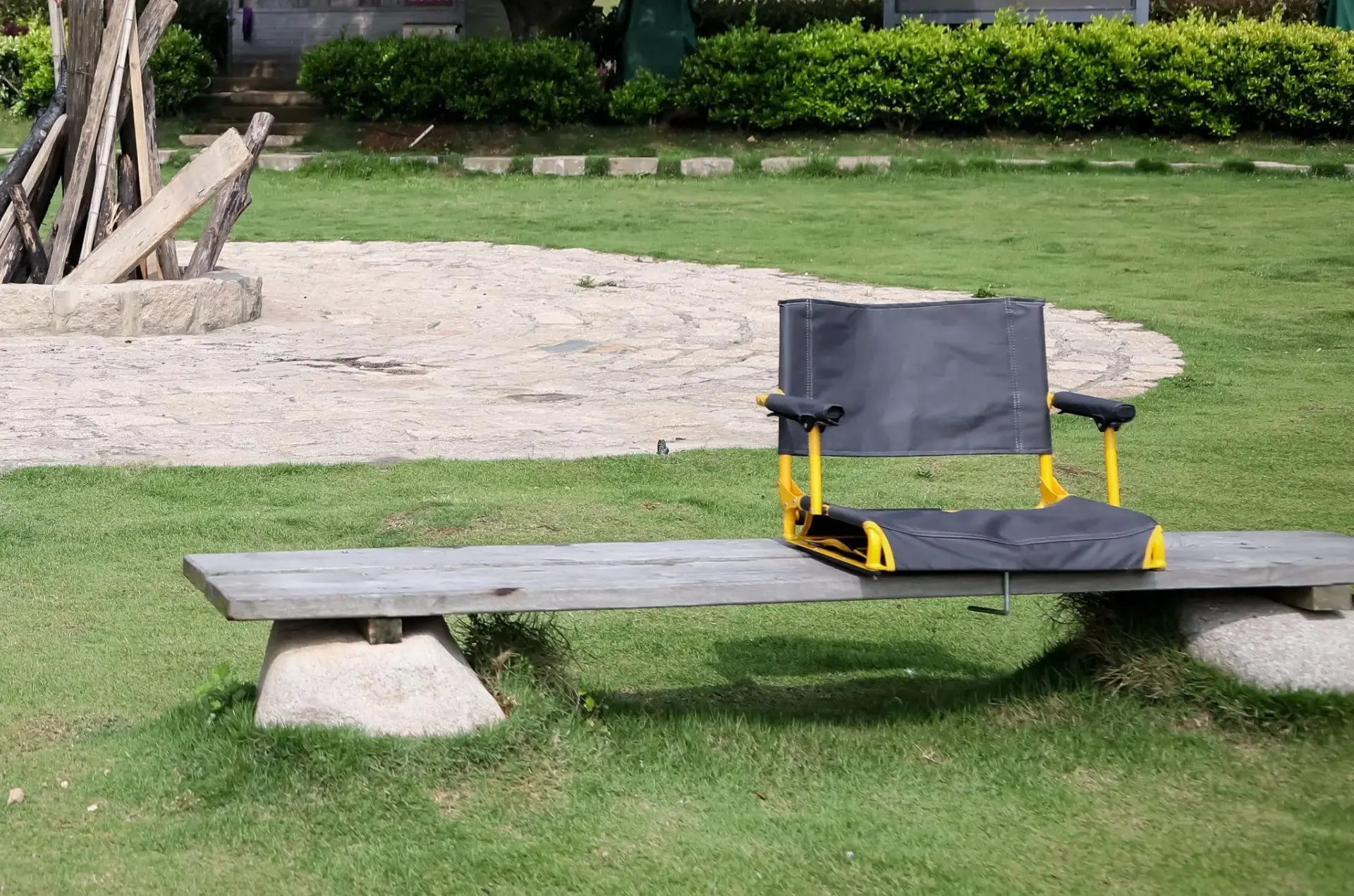
You reduce fatigue when you choose chairs with basic ergonomic shaping. A slight seat contour and firm foam help support the lower back during long concerts. Standard-height chairs often provide better thigh and lumbar support for seated audiences.
Low-profile chairs suit short sets or standing-heavy shows. They keep sightlines low but may lack full back support. Use them in venues where guests move often or sit for short periods.
Focus on seat height, back angle, and padding density. Avoid deep cushions that sink over time. When reviewing featured selections, check product specs for tested weight limits and consistent foam thickness.
Key comfort factors to check:
- Seat height that keeps feet flat on the floor
- Backrest height that supports the lower spine
- Firm padding that holds shape after repeated use
Stability and Floor Protection Features
You prevent tipping and surface damage by choosing chairs with strong frames and wide leg spacing. Steel or reinforced aluminum frames offer better stability for high-traffic concerts. Weld quality matters more than finish.
Floor protection features reduce repair costs. Non-marking glides or rubber feet protect wood, vinyl, and concrete surfaces. They also limit chair movement, which helps keep rows aligned during packed events.
Low-profile chairs often sit closer to the ground, which lowers the center of gravity. This improves stability in energetic crowds. Standard-height chairs need cross-bracing or thicker legs to reach the same level of control.
Look for these features:
- Non-slip, non-marking feet
- Even weight distribution across all legs
- Stack limits clearly marked by the manufacturer
Safety Standards and Regulations
You stay compliant when you follow local fire and building codes. Many venues require chairs to meet flame-resistance standards and aisle spacing rules. Always confirm certifications before placing large orders.
Weight ratings protect both guests and your liability. Chairs should clearly list tested load capacities. Avoid models without documented testing, even if they cost less.
Order protections matter when buying in bulk. Clear return policies and damage coverage reduce risk if chairs arrive flawed or fail inspection. Reputable suppliers provide documentation for safety testing and compliance.
Common safety checks:
- Fire-retardant materials where required
- Published weight limits and test results
- Compliance with venue and municipal codes
Practical Tips on Purchasing and Supply
You need reliable supply, clear pricing, and strong protections when buying seating for concerts. The right tools and safeguards help you avoid delays, shortages, and last-minute changes.
Understanding Featured Selections and Deals
Featured selections often highlight chairs that meet common event needs. These listings usually focus on durability, stackability, and standard sizes. For concerts, this often means standard-height stacking chairs or low-profile seating designed for clear sightlines.
Deals matter most when you buy in volume. Look for price breaks tied to quantity, not short-term discounts. Check if the deal includes key items like floor glides, ganging clips, or weather-resistant finishes.
Use a simple comparison table before you buy:
| Feature | Low Profile Chairs | Standard Height Chairs |
| Best use | Front rows, pits | General seating |
| Storage | Very compact | Compact, stackable |
| Price range | Often higher | Usually lower |
Order Protections for Large Events
Order protection reduces risk when you place large or time-sensitive orders. You should confirm delivery guarantees, damage coverage, and return terms before checkout. These protections matter most when seating arrives close to event day.
Look for written policies that cover:
- Late delivery refunds or replacements
- Damage during shipping
- Missing or incorrect quantities
For outdoor concerts, confirm coverage for weather-related damage during transit. Some suppliers also offer replacement stock if chairs fail on-site. That support can prevent gaps in seating and safety issues.
Keep all invoices and tracking numbers in one file. Clear records speed up claims and reduce disputes.
Navigating Buyer Central and Help Center Resources
Buyer Central helps you manage large orders in one place. You can track shipments, review past purchases, and reorder the same chair models for multi-day events. This consistency helps with layout planning and visual balance.
The Help Center solves problems faster when issues arise. Use it to confirm weight limits, stacking counts, or compatibility between chair styles. Many Help Centers also publish setup guides and care instructions.
When time matters, use direct support tools:
- Order status dashboards
- Live chat or ticket systems
- Downloadable spec sheets
These tools save time and help you make decisions with accurate details.
Supplier Engagement and Event Setup Logistics
Chair height affects sightlines, safety, and flow. You need clear plans with suppliers, the right digital tools, and a setup process that fits your venue size and schedule.
Working with Suppliers
You get better results when you treat seating vendors as partners, not just order takers. Share your event type, stage height, and crowd size before you request quotes. Ask for exact seat heights, weight ratings, and footprint sizes for both low profile and standard height chairs.
Use a simple checklist when you become a supplier or evaluate one:
- Delivery and pickup windows
- On-site support during load-in
- Replacement units for damaged chairs
- Proof of safety and fire ratings
Confirm quantities by section, not total count. This avoids mixing chair heights in the same sightline zone. Lock changes at least 7–10 days before the event to prevent rush fees and layout errors.
Using App & Extension Tools
You reduce errors when you use an app & extension to manage seating data. Many tools let you map chair types by zone, aisle width, and row spacing. This matters when you mix low profile chairs near the stage with standard height chairs farther back.
Focus on tools that support:
| Feature | Why It Matters |
| Seating maps | Prevent blocked views |
| Inventory tracking | Match orders to layouts |
| Vendor access | Share updates in real time |
Browser extensions help you compare specs from different suppliers while planning. Keep one shared version of the layout so your team and vendors work from the same plan.
Setup and Storage Considerations
Chair height changes how you load, place, and store seating. Low profile chairs stack differently and often allow tighter row spacing, which affects aisle planning. Standard height chairs need more clearance for legs and bags.
Plan setup in this order:
- Mark aisles and exits
- Place front-row seating by height
- Build rows from front to back
Store extra chairs close but out of sight. Use labeled racks for each chair type to avoid mix-ups during resets. If your event has multiple acts, plan quick swaps only in low-traffic zones.
Frequently Asked Questions
What features distinguish the best festival chairs from standard options?
Festival chairs focus on portability and venue rules. You get lighter frames, shorter leg height, and faster setup than standard camping chairs.
Many models include carry straps, slim fold designs, and low seat profiles. These features help you move through crowds and meet lawn seating limits.
How do low-profile chairs enhance the concert-going experience?
Low-profile chairs keep you closer to the ground. This height improves sightlines in crowded lawn areas and reduces blocked views.
You also sit more securely on uneven grass. Many venues allow only chairs with legs under a set height, which makes low-profile designs a safer choice.
What should I consider when looking for portable chairs for music festivals?
Start with weight and packed size. A chair under five pounds with a compact fold is easier to carry for long distances.
Check the frame material and weight rating. Aluminum frames resist rust and keep weight low, while a clear capacity rating helps avoid breakage.
What factors contribute to the comfort and usability of low lawn chairs at concerts?
Seat fabric and back support affect comfort during long sets. Padded seats and breathable fabric reduce pressure and heat buildup.Stability also matters. Wide feet, strong joints, and a low center of gravity help the chair stay steady on grass or dirt.
Want to Know More About Our Products?
View All Products NowAbout Author
Spring Nee
Spring Nee is the Sales & Marketing Director at Zhejiang Sunshine Leisure Products Co., Ltd. With nearly 20 years of experience in the outdoor leisure furniture industry, she specializes in camping chairs, beach chairs, folding outdoor seating, and OEM/ODM project communication. Spring also leads the company’s marketing content direction. Most of the articles published on this website are either written by Spring herself or reviewed by her before publication, ensuring that the content is practical, accurate, and based on real industry experience.