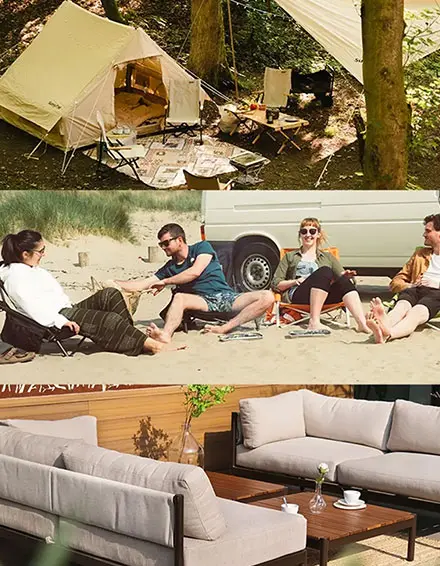
Review of the Butterfly Design Comfort: Are Butterfly Chairs Comfortable for Camping? Style vs. Function

Jump to section
After a long day outside, you want a camping chair that actually feels good and still looks right at the campsite. Butterfly chairs promise both comfort and style, but the design makes you wonder about real support and how they hold up over time.
Butterfly chairs can feel comfortable for camping, but it really depends on the fabric, frame strength, and how well the chair supports your back. The sling-style seat lets your body relax, but some designs don’t offer much structure or lumbar support.
This review digs into how butterfly chairs work, what affects comfort, and where style either helps or gets in the way. Modern features can change the experience, and picking the right chair for your camping needs shouldn’t be a guessing game.
Overview of Butterfly Chair Design
The butterfly chair blends a simple structure with relaxed seating. Its design history, main features, and build methods explain why it keeps showing up in camping and modern chair design.
History and Evolution of Butterfly Chairs
The butterfly chair traces back to 1938. Three designers—Antonio Bonet, Juan Kurchan, and Jorge Ferrari-Hardoy—created it for outdoor use in Argentina with comfort, low weight, and easy movement in mind.
Later, the design moved indoors. Homes, studios, and patios picked it up for that casual, modern look. Manufacturers eventually tweaked the size and shape for camping trips.
Now, you’ll find versions for travel, backyards, and interiors. The main design hasn’t changed much, but materials and finishes have shifted to match current trends.
Key Design Features of Butterfly Chairs
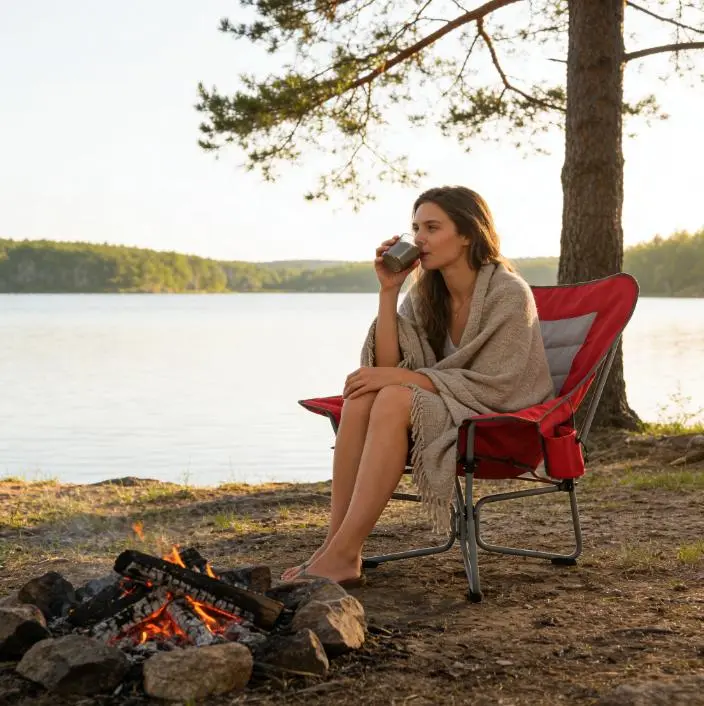
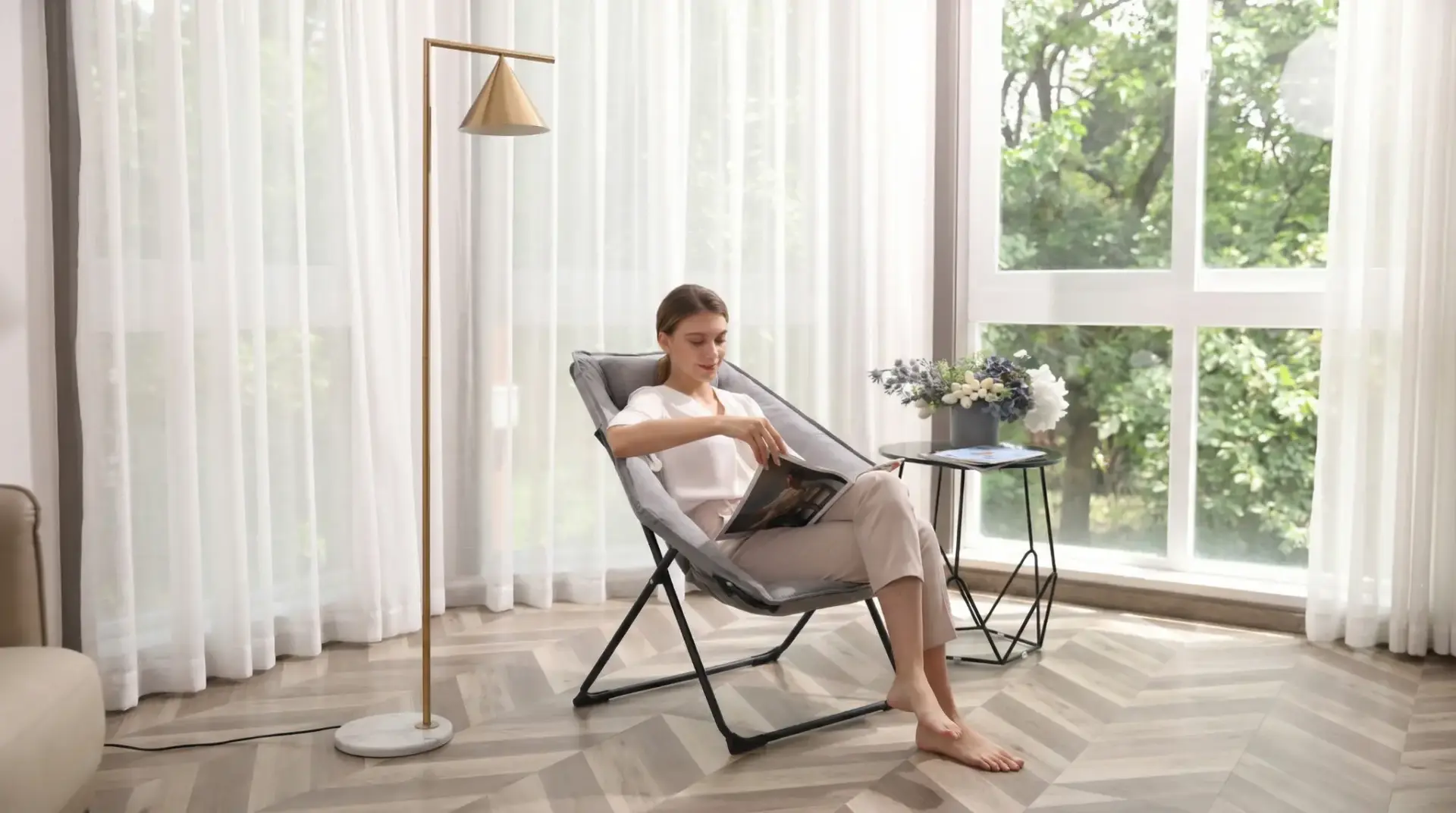
Butterfly chairs sit low to the ground. The seat hangs from a metal frame, forming a sling that supports your body and encourages a relaxed posture over upright support.
Key features include:
- Single-piece fabric seat that supports both seat and back
- Crossed metal frame that folds or comes apart
- Wide seat shape for natural movement
Most models don’t have much padding or firm structure. For camping, this design favors comfort when resting, not strict posture. The shape spreads your weight across the fabric, which helps.
Materials and Construction Methods
Frames usually use steel or aluminum. Steel brings strength and higher weight limits, while aluminum cuts carry weight, which is nice for camping. The frame often has a simple cross or triangle structure for stability.
Seats are made from canvas, polyester, or leather. Canvas and polyester handle the outdoors better and dry faster. Leather pops up more in indoor or modern versions.
Many camping models add:
- Powder-coated frames to fight rust
- Reinforced stitching at stress points
- Rubber feet caps to protect the ground
These choices change comfort, durability, and how easy it is to pack the chair for travel.
Comfort Factors in Butterfly Chairs
Butterfly chairs juggle comfort and portability with a simple frame and suspended fabric seat. Comfort comes down to seat shape, support points, and how the design stacks up against other camping chairs.
Seat Shape and Support
The sling-style seat cradles your body. The fabric stretches a bit under your weight, taking pressure off your hips and thighs. It often feels more relaxed than a flat, stiff seat.
Comfort depends on fabric quality and how tight it’s pulled. Thicker fabrics or padded covers help, especially if you’re sitting for a while. Loose fabric can sag, which cuts down on support and comfort.
Look for these seat features:
- Strong fabric and maybe some padding
- Good seat depth and width
- Edge seams that won’t dig into your legs
This kind of seat works best for lounging, not eating or working at camp.
Ergonomics and Lumbar Support
Most butterfly chairs offer simple ergonomics but not much structure. The curved seat follows your spine, which feels good at first. Still, most models don’t have built-in lumbar support.
Some newer designs add shaped back panels or extra padding. These tweaks help your spine stay neutral and cut down on lower back strain. An ergonomic design usually means a reclined angle that spreads your weight out.
Important ergonomic details:
- Backrest curve that helps your lower back
- Seat height that keeps your knees level or a bit higher
- Firm but flexible fabric
If back pain is an issue, look for a chair with reinforced lumbar zones.
Comparing Comfort to Other Camping Chairs
Butterfly chairs feel different than standard camping chairs with armrests and upright backs. You trade structured support for more freedom of movement and less weight.
| Chair Type | Comfort Style | Best Use |
| Butterfly Chair | Relaxed, flexible | Lounging, short breaks |
| Folding Camping Chair | Firm, upright | Meals, long sitting |
| Reclining Camp Chair | Adjustable, supportive | Extended relaxation |
Butterfly chairs work if you want style, portability, and a laid-back posture. For those long campfire sessions, though, a more structured chair might just feel better.
Butterfly Chairs for Camping: Pros and Cons
Butterfly chairs offer a mix of comfort, style, and easy carrying for camping. You get a relaxed seat, but there are some real limits with support, height, and stability on rough ground.
Advantages for Outdoor Use
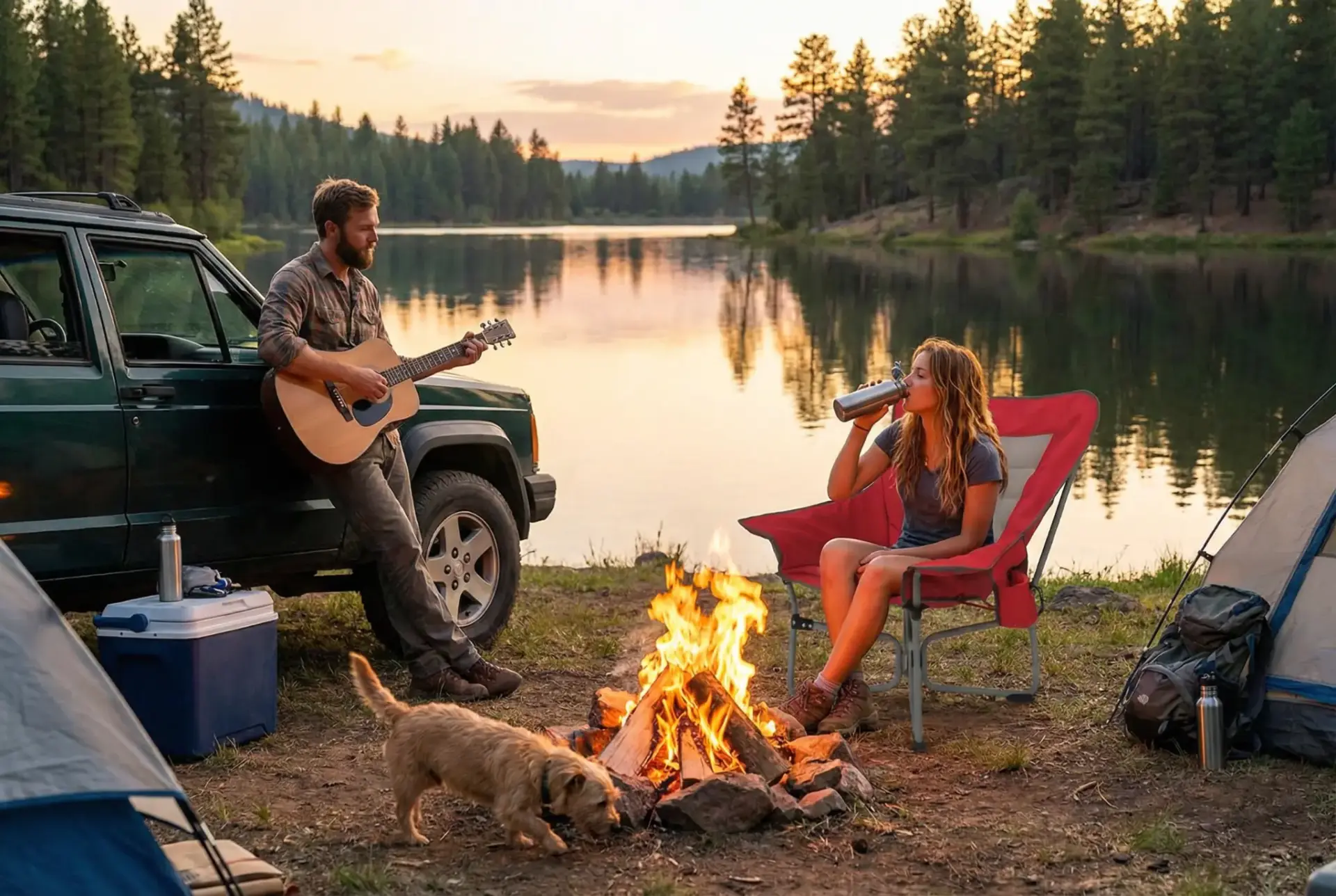
A butterfly chair gives you a wide, comfy seat that cradles your body. The fabric flexes as you sit, which takes pressure off your hips and back. This design is great for campfires, scenic views, and long conversations at camp.
Most butterfly chairs fold flat, so you can slide one into a car trunk or strap it to your gear. Many use steel or aluminum frames that balance weight and strength.
Other upsides:
- Quick setup—no tools needed
- Breathable fabric for warm days
- Relaxed recline for lounging
For short trips or car camping, the design makes sense.
Potential Drawbacks in Camping Settings
The low seat height can make standing up a pain, especially on uneven ground. If your knees or back aren’t great, this can be a problem. Traditional folding chairs usually have higher seats and armrests.
Support really depends on the model. Some butterfly chairs don’t have much back support, which can make long sits tiring. The fabric might also stretch out, changing the feel over time.
Other common issues:
- Less stable on sand or soft ground
- Not much adjustability compared to other camping chairs
- Lower weight limits on cheaper models
Style Versus Function in Butterfly Chair Design
Butterfly chairs stand out for their bold look and simple build. The shape grabs your attention, but comfort and actual usefulness matter just as much when you’re camping.
Aesthetic Appeal and Versatility
Butterfly chairs have a clean metal frame and a soft sling seat. The design gives off a modern vibe that works at campsites, patios, or even in living rooms. You can move the same chair from outdoors to indoors and it still fits in.
The open shape feels light and airy. Modern versions use neutral fabrics, leather, or canvas, so you can match your style or gear. Folding it down is easy, which helps with storage and adds to the look.
Common style features:
- Slim steel or aluminum frames
- Natural or muted fabric colors
- Low, relaxed seating profile
The chair looks intentional, not like a last-minute fix.
Balancing Style with Practicality
Style doesn’t help you sit longer at camp. Butterfly chairs sit low to the ground, which relaxes your posture but can stress your knees when you stand up. The sling seat molds to your body, but there’s not much structure for long sessions.
Some designs add padded covers or stronger fabrics for more comfort. Others include rubber feet to protect floors and cut down on slipping. These tweaks show how modern design tries to solve real camping problems.
Key function trade-offs:
| Feature | Benefit | Limitation |
| Sling seat | Flexible comfort | Less back support |
| Lightweight frame | Easy to carry | Lower weight capacity |
| Low height | Relaxed seating | Harder to exit |
Ergonomic Innovations and Features
Butterfly chairs lean on ergonomic design to balance comfort with portability. Features like adjustable armrests and seat positioning shape how your body feels during long camping sessions.
Importance of Adjustable Armrests
Adjustable armrests matter because your arms need support when you sit outdoors for a while. Fixed armrests can force your shoulders up or let them drop, which leads to neck strain.
With adjustable armrests, you can set the height and width to fit your body. This keeps your shoulders relaxed and helps your upper spine stay aligned. Many butterfly-style chairs extend support past the lumbar area, which helps your upper back during seated rest.
In camp, armrests also add stability. You can push up safely when getting up on uneven ground. That takes some stress off your wrists and shoulders, especially after long hikes or meals around the fire.
Impact of Seat Height and Angle
Seat height and angle decide how your hips, knees, and lower back line up. If the seat is too low, your knees rise above your hips, which adds pressure to your lower back.
A good ergonomic chair keeps your thighs level and your feet flat. Some butterfly chairs use a slight recline that follows your spine’s natural curve. This helps spread your weight and cuts down on pressure points.
For camping, it matters during long sits. A stable seat angle lets you relax without slouching. With firm lumbar support, you keep a better posture without constantly shifting or getting tired.
Choosing the Best Butterfly Chair for Camping
The best butterfly chair balances comfort, durability, and easy transport. Focus on materials that handle the outdoors and features that support your body during long sits.
Evaluating Material Quality and Durability
Start with the frame—it controls stability and lifespan. Steel frames offer strong support but add weight. Aluminum frames are lighter and resist rust, which helps at wet campsites. Some chairs use hardwood, which feels solid but needs dry storage.
Fabric matters too. Many butterfly chairs use Oxford fabric or thick canvas. These materials resist tearing and handle moisture better than thin polyester. Reinforced stitching at stress points is a must.
Quick checklist for picking a chair:
- Frame: aluminum for lighter carry, steel for strength
- Fabric: Oxford or canvas with double stitching
- Finish: powder-coated metal to slow down rust
A durable chair keeps its shape and support after plenty of trips.
Tips for Enhanced Comfort and Support
A butterfly chair should support your back but not force a rigid posture. A deeper seat and a bit of recline ease pressure on your lower spine.
This really matters if you’re hanging out at camp for hours. Padding can help, though too much traps heat and gets uncomfortable.
Breathable fabric makes a big difference when it’s warm. Some designs add just a bit of cushioning at key spots, and that’s usually enough for camping.
Here are some comfort features worth noticing:
- Seat depth: Deeper seats let you sink in and relax.
- Back angle: A gentle recline supports your natural posture.
- Weight rating: At least 220 lb keeps things stable.
If you’re moving your chair a lot, look for folding models that open quickly and pack flat—no tools needed.
Frequently Asked Questions
What are the comfort benefits of using a butterfly chair while camping?
A butterfly chair wraps you in a suspended fabric seat that spreads your weight. This eases pressure on hips and your lower back.
Most have a slight recline that follows your spine’s curve. You can sit around longer—especially when you’re just hanging by the fire—without getting stiff.
The low height lets you stretch your legs out. It often feels more natural than sitting upright in a typical camp chair.
How do butterfly chairs compare to traditional camping chairs in terms of comfort?
Traditional camping chairs usually use firm frames and flat seats, which can dig in after a while.
Butterfly chairs are softer since the fabric moves with you. There’s less tension in your shoulders, since your arms aren’t locked into place.
But you don’t get as much structured back or arm support. If you want a chair for eating or working, a regular camping chair might feel steadier.
Is portability compromised for comfort in butterfly chairs suitable for camping?
Most butterfly chairs use a simple folding steel frame. That keeps weight low but still supports adults pretty well.
Folding the chair flat usually takes just a few seconds. Many camping models even toss in a carry bag for easier transport.
The real trade-off shows up in the packed shape, not so much the weight. Butterfly chairs tend to pack wider than those tube-style camping chairs, which could be a headache if space is tight.
Want to Know More About Our Products?
View All Products NowAbout Author
Spring Nee
Spring Nee is the Sales & Marketing Director at Zhejiang Sunshine Leisure Products Co., Ltd. With nearly 20 years of experience in the outdoor leisure furniture industry, she specializes in camping chairs, beach chairs, folding outdoor seating, and OEM/ODM project communication. Spring also leads the company’s marketing content direction. Most of the articles published on this website are either written by Spring herself or reviewed by her before publication, ensuring that the content is practical, accurate, and based on real industry experience.