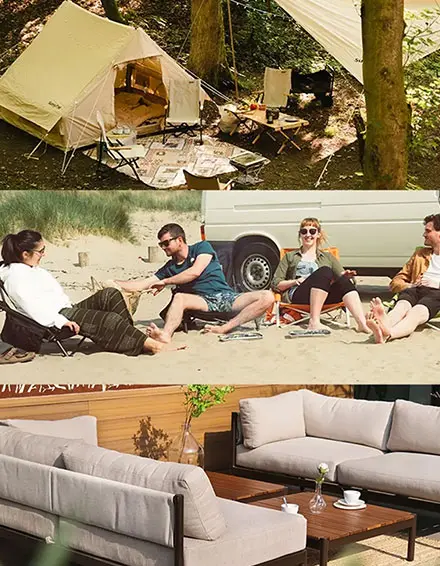
Scenarios for Using a Collapsible Wagon: Do You Need a Tailgate Wagon? Sports & Camping Guide

Jump to section
Every time you head to a game, campsite, or beach, you’re juggling coolers, chairs, and gear. A collapsible wagon can turn that chaos into a single, easy haul. But it’s not always the right fit for everyone or every trip.
When you’re moving heavy or bulky items across parking lots, grass, sand, or campgrounds, a tailgate wagon makes life easier. These wagons fold up small, handle rough ground, and can move coolers, tents, and sports gear with way less hassle. Some even add cup holders, tailgates, or wide wheels for better outdoor use.
This guide looks at real-life scenarios—sports, tailgates, camping, beach days, and simple errands. You’ll find tips for picking the right size, wheels, and features, plus answers to common questions before you buy.
What Is a Collapsible Wagon?
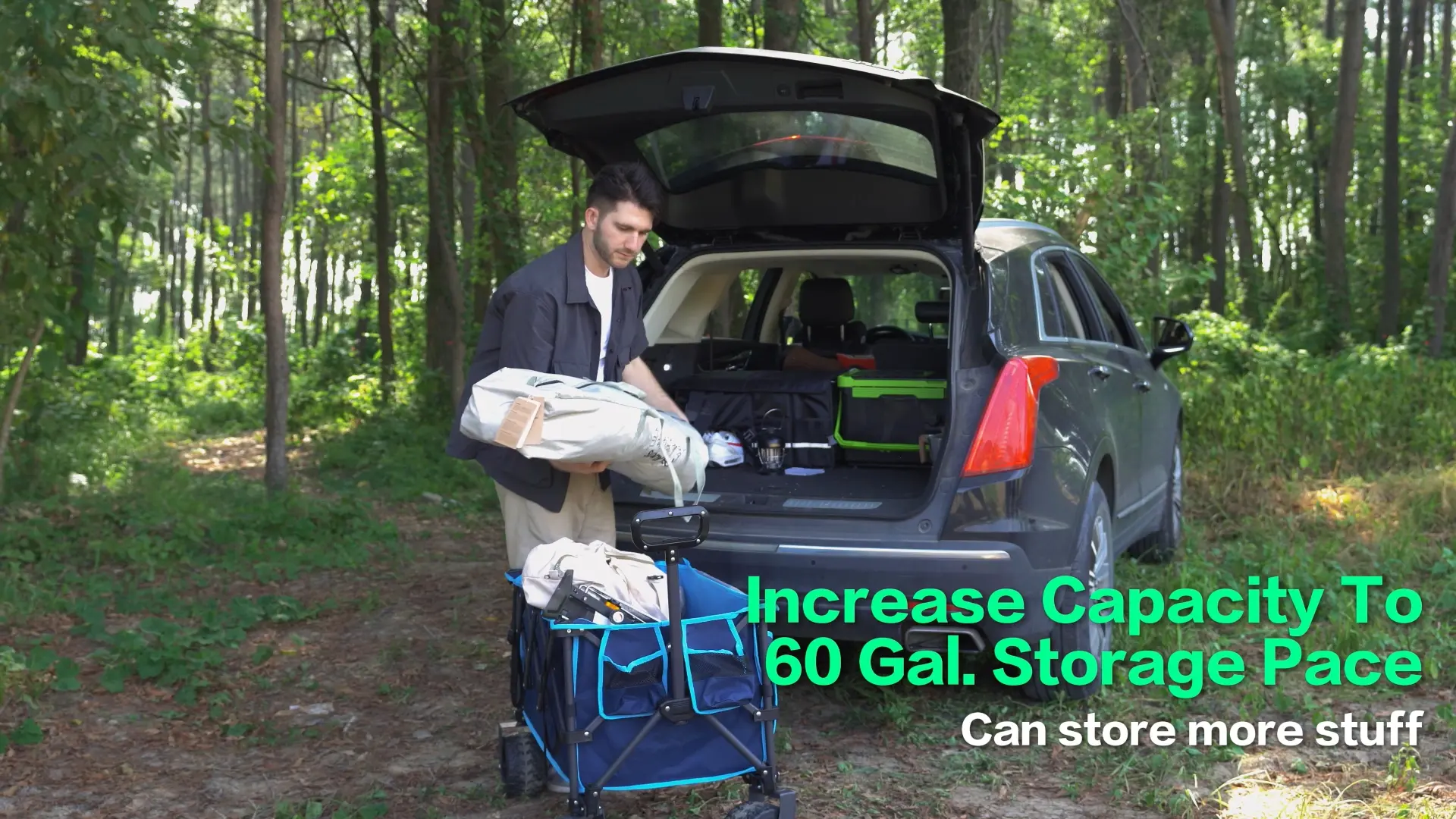
A collapsible wagon is a portable cart that carries your stuff and folds flat for storage. You’ll see them at sports fields, campsites, and beaches—they save time and spare your back.
Types of Collapsible Wagons
There are a few types, and the best one depends on what you’re hauling. Each handles weight, terrain, and passengers a bit differently.
- Standard collapsible wagon: Great for gear like coolers, chairs, and bags. Mac Sports wagons often fall here.
- Heavy-duty folding wagon: Built to handle bigger loads and higher weights. These are solid for camping and tailgates.
- Stroller wagon: Made for kids, with safety belts and padded seats. Radio Flyer is a common choice.
- Stroller wagon hybrid: Blends kid seating with cargo space. The Veer Cruiser is a popular pick.
Pick based on whether you’re hauling gear, kids, or both.
Key Features and Benefits
Collapsible wagons focus on function and ease. Most use a steel frame and tough fabric sides.
Look for these features:
| Feature | Why It Matters |
| Weight capacity | Ranges from about 150 to 350 pounds |
| Wheel size | Bigger wheels roll better on grass and sand |
| Handle design | Adjustable handles help reduce wrist strain |
| Tailgate | Fold-down panels fit long items like tents |
These features let you haul more in fewer trips and stash the wagon easily when you’re done.
Comparison of Leading Brands
Brands matter because they focus on different needs. Match the brand to how you’ll actually use the wagon.
- Mac Sports wagon: Simple folding wagons with solid capacity for sports and camping.
- Radio Flyer wagon: Family-focused, with stroller wagon designs.
- Veer Cruiser: Premium stroller wagon hybrid with comfort and control.
They all use similar materials, but wheel design, add-ons, and price can change a lot from one to the next.
Folding Mechanism Explained
The folding mechanism makes or breaks daily use. Most wagons use a center-pull strap or hub system.
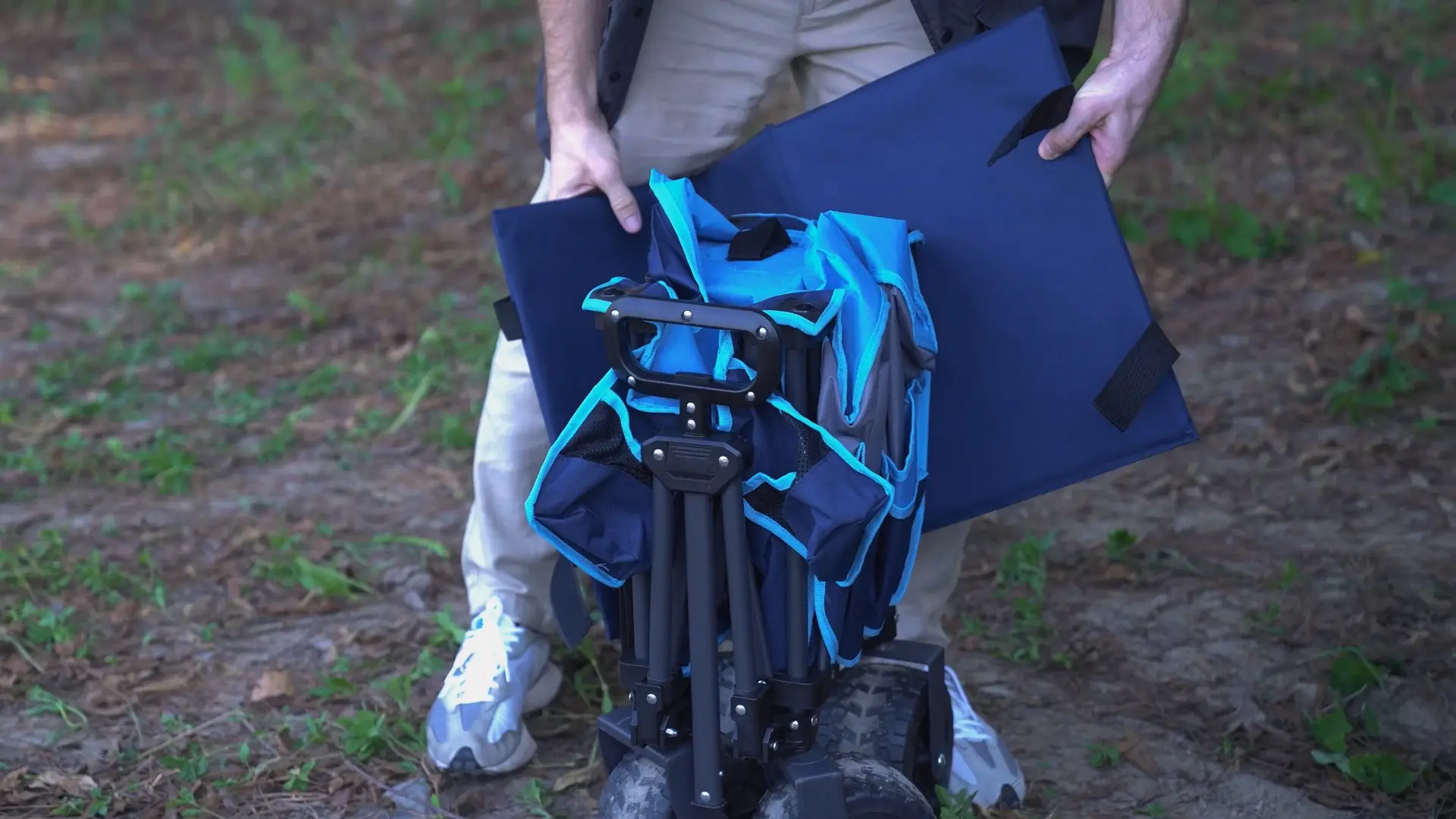
Open the wagon by pulling the frame outward until it clicks. To close it, just grab the center strap and lift—it folds in on itself.
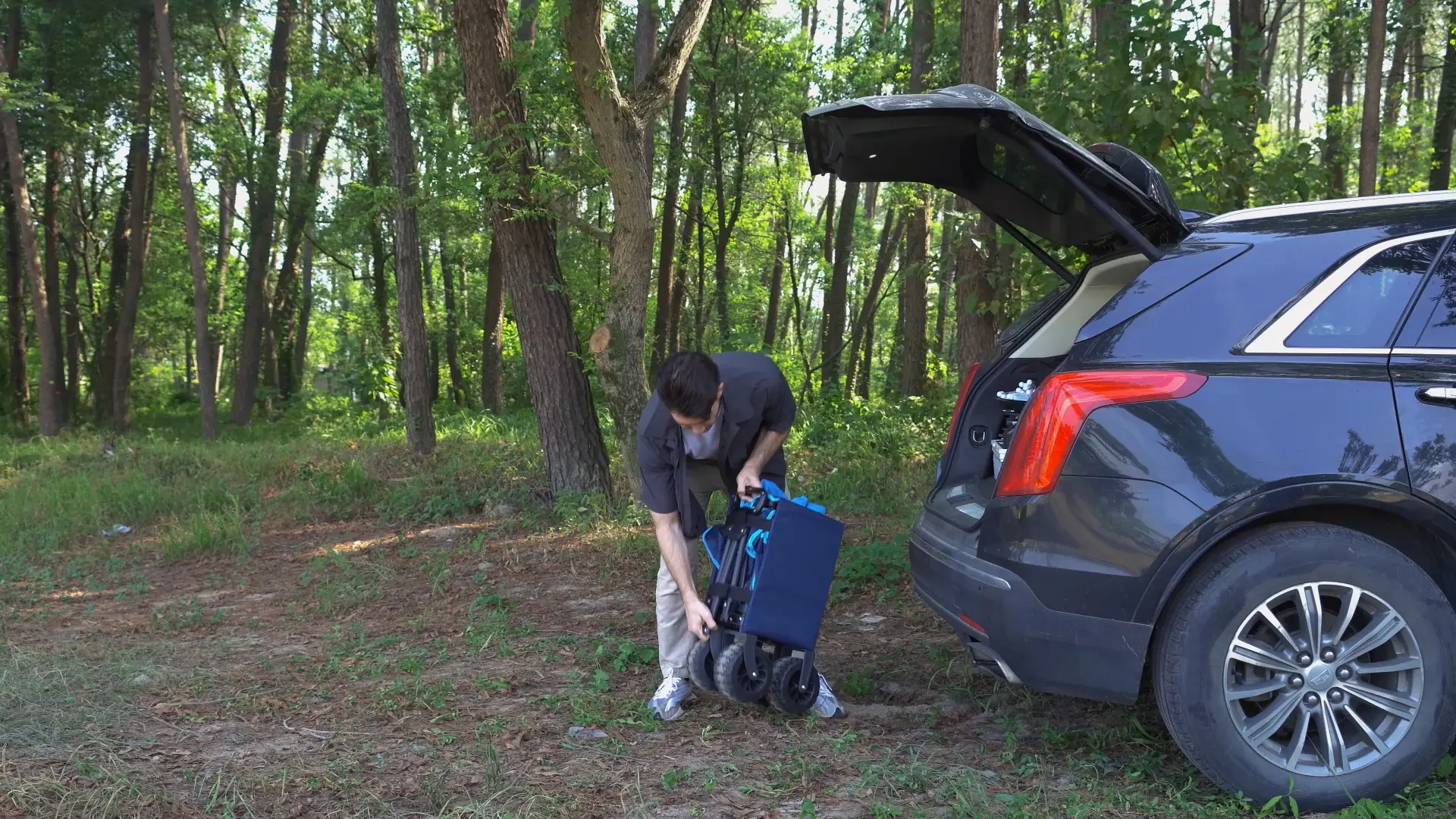
This design lets you collapse the wagon flat in seconds. Toss it in a trunk, garage, or closet—no tools, no fuss.
When Do You Need a Tailgate Wagon?
Tailgate wagons shine when you’re moving heavy or bulky stuff across parking lots, fields, or campsites. It really comes down to how much you carry, who’s with you, and how often you go out.
Evaluating Your Transport Needs
Think about what you’re carrying and how far you have to haul it. Tailgate wagons help when you’ve got coolers, grills, chairs, or tents and want to do it all in one go. If you’re walking more than a few hundred yards, a wagon saves your back and time.
Weight and terrain matter. Most utility wagons handle 150 to 300 pounds. Wide wheels do better on grass, gravel, and dirt. Parking lots with curbs or rough patches can make a difference too.
Prioritize practical features. All-terrain wheels, strong frames, and easy folding should top your list. Cupholders are nice for long walks. Storage pockets keep small stuff handy. If you’re storing it in the car, folded size matters.
Tailgate and Event Scenarios
Tailgate wagons work great for stadium lots, outdoor games, and festivals. You’re often hauling food, drinks, and gear from far-off parking spots. One wagon can mean just one trip.
Check venue rules before you go. Many allow wagons in tailgate areas but not inside gates. Sometimes you’ll need to park it outside and unload.
Look for features that fit the event. A utility wagon with lockable wheels won’t roll away on a slope. Side tables or cupholders help during setup. Pull wagons fit tight spaces; push handles help in crowded lots.
Family and Kids’ Use Cases
Families often want a wagon for kids and gear. Wagons help on long walks or when little legs get tired. They also keep kids contained in busy areas.
Safety comes first. Look for seat belts, stable frames, and low centers of gravity. High sides help keep everyone inside. Smooth wheels make for a steadier ride.
Extras make life easier. Cupholders stop spills. Shade canopies protect from the sun. Storage space keeps snacks, blankets, and toys handy without crowding the kids.
Collapsible Wagons for Sports and Outdoor Activities
Collapsible wagons haul heavy gear, save time, and spare your back on game days and outdoor trips. They give you better control, faster setup, and work across different sports and locations.
Hauling Sports Equipment
Sports days mean carrying more than just one bag—think balls, cones, water jugs, the works. A sports wagon lets you load it all at once and skip the back-and-forth. Look for a folding utility wagon with a high weight limit and a wide base.
What matters most?
- Load capacity of at least 150–300 pounds
- Durable fabric that can take a beating and resist rain
- Large wheels for grass and dirt fields
Low side walls make it easy to grab gear. A strong handle helps you pull without hurting your wrist.
Team Events and Practices
Team events mean extra gear, coolers, and shade tents. A utility wagon lets you haul stuff for the whole group without begging for help. This is huge during setup and cleanup.
Helpful features:
- Side pockets for first-aid kits and pumps
- Quick-fold frames for fast loading
- Brakes to keep the wagon in place on hills
Parents and coaches like folding carts that fit in a trunk. It saves space and keeps gear sorted between games.
Stadium and Field Transport
Stadiums and big fields usually mean long walks over all kinds of surfaces. A folding utility wagon with all-terrain wheels rolls better over turf, gravel, and pavement. Small wheels just get stuck and slow you down.
Key details to check:
| Feature | Why It Matters |
| Wheel size | Bigger wheels make grass easier |
| Frame strength | Prevents bending under heavy stuff |
| Compact fold | Fits through gates and narrow aisles |
Some venues limit wagon sizes. It’s smart to check size rules before game day.
Adaptability for Multiple Sports
Switching between soccer, baseball, camping, or tailgates? A good collapsible wagon handles it all without needing extra parts. Adjustable handles and removable liners make life easier.
One wagon can carry:
- Balls and nets for practice
- Chairs and coolers for tournaments
- Tents and bins for camping
Reviews often praise wagons that balance weight and strength. A reliable folding cart can handle different uses without constant tinkering.
Camping and Beach Uses
Collapsible wagons make hauling heavy gear at campgrounds and beaches less of a chore. The right design matters, especially where rough ground and big loads can challenge any wagon.
Transporting Gear at Campgrounds
Campgrounds mean dragging coolers, tents, chairs, and water jugs over gravel or dirt. Collapsible wagons with steel frames and high weight ratings do best here. Mac Sports heavy-duty wagons, for example, hold up to big loads.
Locking wheels keep your wagon still while you load or unload. An outdoor wagon with an adjustable handle gives you more control on slopes. Folding designs stash easily in a trunk or camper—handy when space is tight.
Top features:
- Wide wheelbase for better balance
- Durable fabric that won’t tear easily
- Easy one-pull folding system
Best Beach Wagons and Sand Performance
Regular carts struggle in soft sand. You’ll want a beach wagon built for it. An all-terrain beach wagon with oversize wheels glides over sand instead of sinking in.
A folding beach wagon with wide, plastic or rubber wheels works well near the shoreline. Small wheels dig in and make you work harder. A good wagon for beach use also resists rust and dries fast after saltwater exposure.
| Feature | Why It Matters |
| Oversize wheels | Less drag in soft sand |
| Rust-resistant frame | Stands up to salty air |
| High sidewalls | Keeps chairs and umbrellas in place |
Shade, Canopies, and Accessories
Long days outside call for extra protection and organization. A wagon with canopy shields food, drinks, and kids from the sun—especially at the beach, where shade is rare.
Accessories make a difference. Mesh pockets keep sunscreen and tools handy. Tie-down straps stop things from shifting. Some folding wagons for beach trips have removable canopies, so you can adjust for the weather.
When picking a folding wagon for beach use, focus on what actually makes your trip easier. Don’t overdo it with extras that just get in the way.
Everyday and Utility Applications
Collapsible wagons help you move heavy or bulky stuff without endless trips. They give you more control, save time, and make daily chores around home or town a little less of a hassle.
Grocery Shopping
Dragging groceries from your car to your door can get old fast, especially with heavy or bulky stuff. A collapsible utility wagon lets you haul everything in one go—no more awkward armloads or multiple trips.
Bigger wagons with wide beds and high weight ratings handle bulk items, drinks, or pet food much better than just carrying bags.
Wheel choice affects comfort and control:
- Rubber wheels roll smoother over sidewalks and rough parking lots.
- Plastic wheels are fine on flat floors but get bumpy over cracks.
Most folding wagons stash easily in your trunk. Some stand upright when folded, saving precious space.
If you shop with kids, a folding wagon for kids can double as a ride for tired legs—just make sure the model has safe seating.
Gardening and Yard Work
Yard work usually means moving soil, plants, or tools across lumpy ground. A collapsible utility wagon can handle these loads better than a wheelbarrow, especially where space is tight.
Pull it along paths, grass, or gravel without worrying about tipping.
Look for features that support outdoor use:
- Steel or reinforced frames for heavy mulch or soil
- Removable fabric liners for dirt and debris
- Rubber wheels for better grip on soft ground
Toss in pots, hoses, and tools all at once. When you’re done, just fold the wagon flat and tuck it in a shed or garage corner.
Travel, Parks, and Urban Errands
City trips usually mean hauling mixed items over long stretches. A collapsible wagon helps you carry picnic gear, sports bags, or market finds without juggling everything in your arms.
In parks, it’s easy to load up chairs, coolers, and toys for a day outside.
For city use, size and wheels matter:
- Narrow frames slip through sidewalks and gates
- Rubber wheels help smooth out bumps on brick or concrete
A folding wagon for kids comes in handy for zoo trips or long days when little feet get tired. When you’re done, it folds down to fit in a closet or car.
Choosing the Best Collapsible Wagon for Your Needs
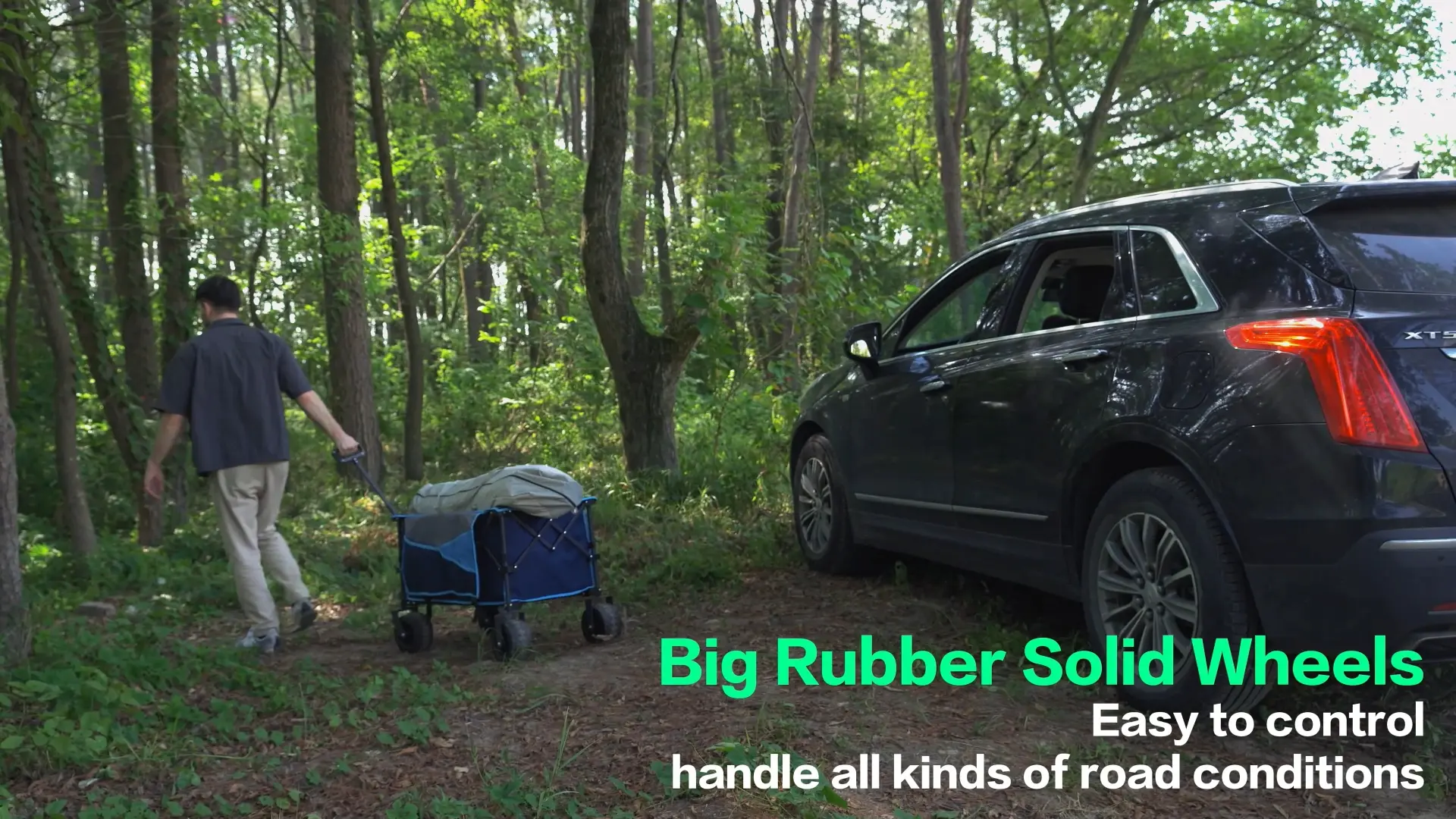
The right collapsible wagon fits your load, terrain, and storage space. Think about how much you usually carry, where you’ll use it, and how easily it packs away after the game or camping trip.
Capacity and Dimensions
Weight capacity and space come first. Most wagons can handle 150 to 300 pounds, but don’t forget the wagon’s own weight—it matters when you’re lifting it in and out of the car.
Check the interior bed, not just the outer frame. Long folding chairs or tents need extra length, so models like the Mac Sports utility wagon with wider beds are worth a look.
If you’re carrying kids, pick a best wagon for kids design. These have seat belts and taller sides. Standard cargo wagons are for gear only, unless the manufacturer says they’re safe for kids.
Wheel Types and Terrain Handling
Wheel design makes a difference. All-terrain wheels roll easier on grass, dirt, or gravel. Wide wheels also don’t sink as much in sand at the beach or on sports fields.
Narrow wheels are lighter and work best indoors or on pavement, but they struggle on softer ground. For outdoor tournaments or camping, wide wheels are the safer bet.
Swiveling front wheels help you turn sharper in tight spots like parking lots. Many Mac Sports folding wagon models have this, and they feel stable when loaded up.
Portability, Storage, and Folded Size
A collapsible wagon should fit your storage space without a wrestling match. Compare folded dimensions to your trunk or garage shelf before buying.
Some wagons fold flat and stand upright in seconds. Others take a bit more muscle because of heavier frames.
Lighter wagons weigh about 15–20 pounds, while heavy-duty ones can tip the scale at over 30 pounds.
An adjustable handle helps users of different heights. It’s also handy for pulling up slopes or over curbs. A locking handle keeps it from dropping while you load up.
Accessories and Customization
Accessories can make life easier. Cup holders, side pockets, and rear pouches keep small stuff close at hand.
Canopies are a lifesaver on hot days at tournaments. Brake systems give more control on hills or uneven ground.
Some wagons let you add cooler inserts or storage covers. Only grab extras you’ll actually use—extra parts mean extra weight and less space, which matters when you’re packing light.
Frequently Asked Questions
What are the benefits of using a collapsible wagon for tailgating events?
Coolers, chairs, tents, and food all go in one trip. That saves time and is way easier on your arms and back.
After the event, just fold the wagon and stash it in your trunk. Most models can handle grass, gravel, and the packed dirt you’ll find in parking lots and fields.
It’s also easier to keep things organized. Side pockets and roomy cargo areas help separate food, gear, and personal stuff.
How do I choose the right folding wagon for sports and camping activities?
Weight capacity and wheel type come first. Pick a wagon that can handle your usual load and rolls smoothly on dirt, sand, or rough ground.
Folded size and how quickly it sets up matter a lot, especially when you’re packing up after a long game or a late night at camp.
Handle height and steering control make a big difference. A comfortable handle helps when you’re pulling the wagon across long distances.
What features should I look for in a collapsible wagon when planning for travel baseball?
Start with durability and space. Travel baseball gear means bats, helmets, bags, and coolers, so a sturdy frame and a wide base really help.
Look for all-terrain wheels—they make a huge difference on gravel parking lots and grass fields. Bigger wheels usually mean less drag and fewer annoying tip-overs.
Storage is another thing to keep in mind. Built-in pockets and tie-down straps are handy for keeping small stuff organized and stopping gear from sliding around as you walk.
Want to Know More About Our Products?
View All Products NowAbout Author
Spring Nee
Spring Nee is the Sales & Marketing Director at Zhejiang Sunshine Leisure Products Co., Ltd. With nearly 20 years of experience in the outdoor leisure furniture industry, she specializes in camping chairs, beach chairs, folding outdoor seating, and OEM/ODM project communication. Spring also leads the company’s marketing content direction. Most of the articles published on this website are either written by Spring herself or reviewed by her before publication, ensuring that the content is practical, accurate, and based on real industry experience.