4-Seater vs. 6-Seater: Choosing the Right Garden Dining Set for Your Space

Jump to section
Picking between a 4-seater and a 6-seater outdoor dining set really shapes your daily outdoor life. The right size makes walkways clear, doors easy to open, and meals relaxed instead of feeling jammed together.
Think about how you eat, host, and move outside. A 4-seater fits small spaces and daily use, while a 6-seater is better if you host often or eat outdoors as a group.
Space size, how many people you seat most weeks, and how open you want the area all matter more than just picking the biggest set you can. Let’s break down how to match dining set size to your space, and when each option makes sense.
Understanding Outdoor Dining Sets
Outdoor dining sets give you a fixed spot to eat, host, and relax outside. The size you choose changes how the space feels and how you move around it.
What Is a 4-Seater Outdoor Dining Set?
A 4-seater outdoor dining set comes with a dining table and four seats—usually chairs, a bench, or both. You’ll spot this setup on balconies, small decks, and tight patios.
The table stays modest in size, so walkways stay open. Some sets use a bench on one side to save space; you can slide it under the table when you’re done eating.
This works well for daily meals and casual use. There’s enough room for place settings without the table taking over. If you host now and then, a spare chair fits in without much hassle.
What Is a 6-Seater Outdoor Dining Set?
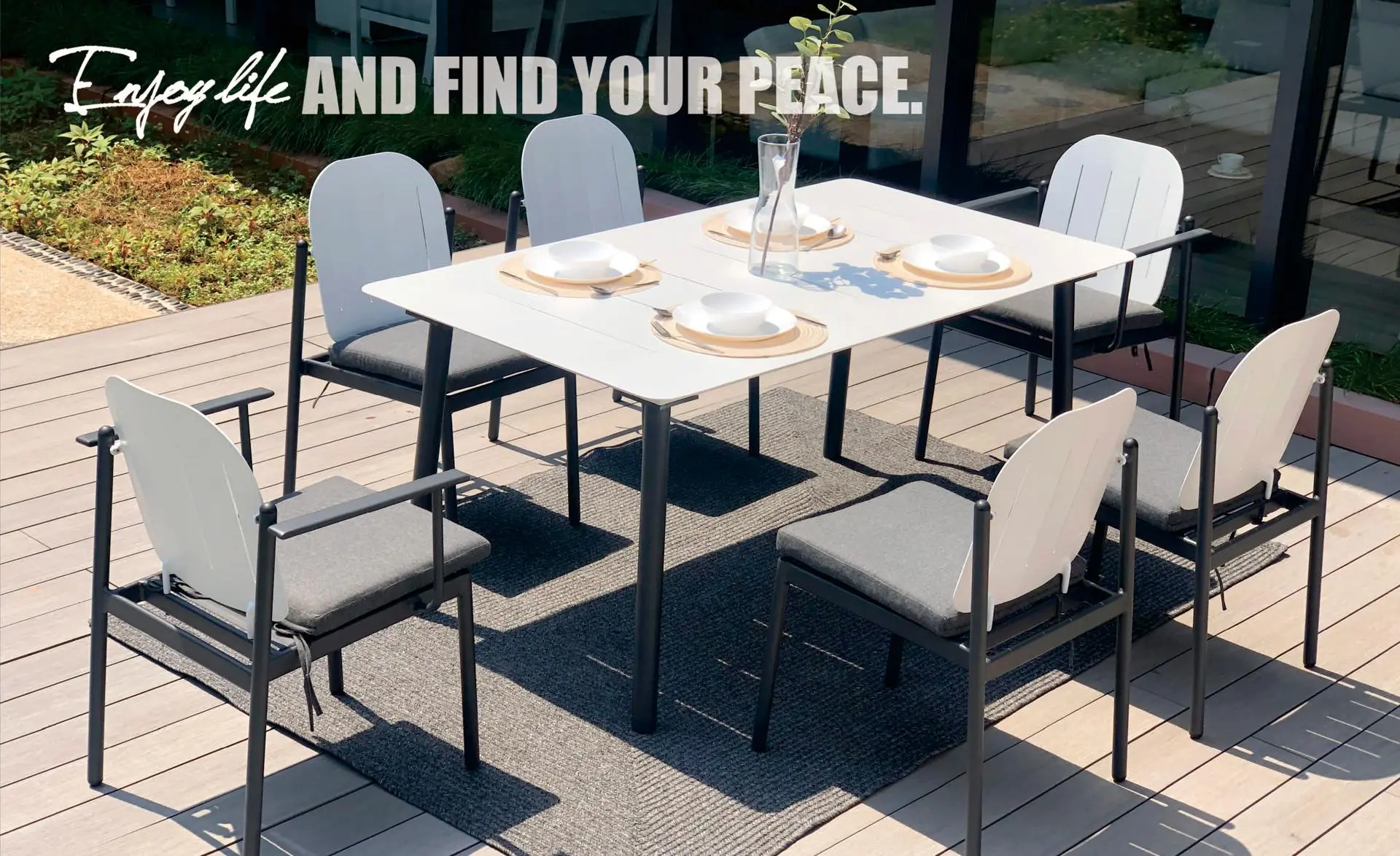
A 6-seater outdoor dining set has a bigger table and seats six. It’s great for courtyards, medium patios, and family hangouts outside.
The extra surface space is handy for shared dishes and serving trays. Many sets mix three chairs on one side with a bench on the other, balancing comfort and space.
This setup feels right for everyday use and can handle guests without you having to shuffle seats. For a lot of homes, a 6-seater feels ready for both regular meals and hosting.
Key Differences: 4-Seater vs. 6-Seater
The main difference in 4-seater vs. 6-seater outdoor dining furniture is all about space, seating, and flexibility.
| Feature | 4-Seater Dining Table | 6-Seater Dining Table |
| Best for | Balconies, small patios | Courtyards, larger patios |
| Table size | Compact and narrow | Wider and longer |
| Hosting | Occasional guests | Frequent guests |
| Space feel | Open and light | Full but functional |
A 4-seater keeps your outdoor area open and easy to move through. A 6-seater supports group dining without constant rearranging.
How to Choose the Right Size for Your Outdoor Space
The right outdoor dining set fits your space, your daily habits, and how many people you seat most often. Focus on clear measurements and realistic seating needs to avoid crowding.
Assessing Available Space and Layout
Measure the whole area where the patio dining set will go. Don’t forget doors, walkways, or paths to the grill or garden.
You want enough room to pull chairs out and walk around the table comfortably. A compact dining table is best for small patios or balconies, while a 4-seater usually fits these spaces without making things feel tight.
Larger patios can handle a 6-seater, but only if you keep clear paths on every side.
Seating Needs and Family Size
Pick your outdoor dining set based on how many people you seat most days, not just for special occasions. A 4-seater fits couples, small families, or casual meals, and it leaves more open space.
A 6-seater makes sense if you eat outside as a family or host friends a lot. Everybody gets enough elbow room and space for serving dishes.
Ask yourself:
- How many people eat outside during a normal week?
- Do you want extra seats ready at all times?
- Will kids need space to move or switch seats?
Your answers will point you to the right dining set size.
Space Planning Tips
Test the layout before buying. Mark the dining set size on the ground with tape or chalk. Walk around it and pretend to pull out chairs—see if you have enough clearance.
Benches can help save space since they slide under the table. Chairs with slim frames take up less room and feel lighter in small areas.
Try to keep at least 90 cm of clear space around the table. This way, doors open and people move freely. Good planning makes both 4-seater and 6-seater sets feel comfortable, not crowded.
When to Choose a 4-Seater Outdoor Dining Set
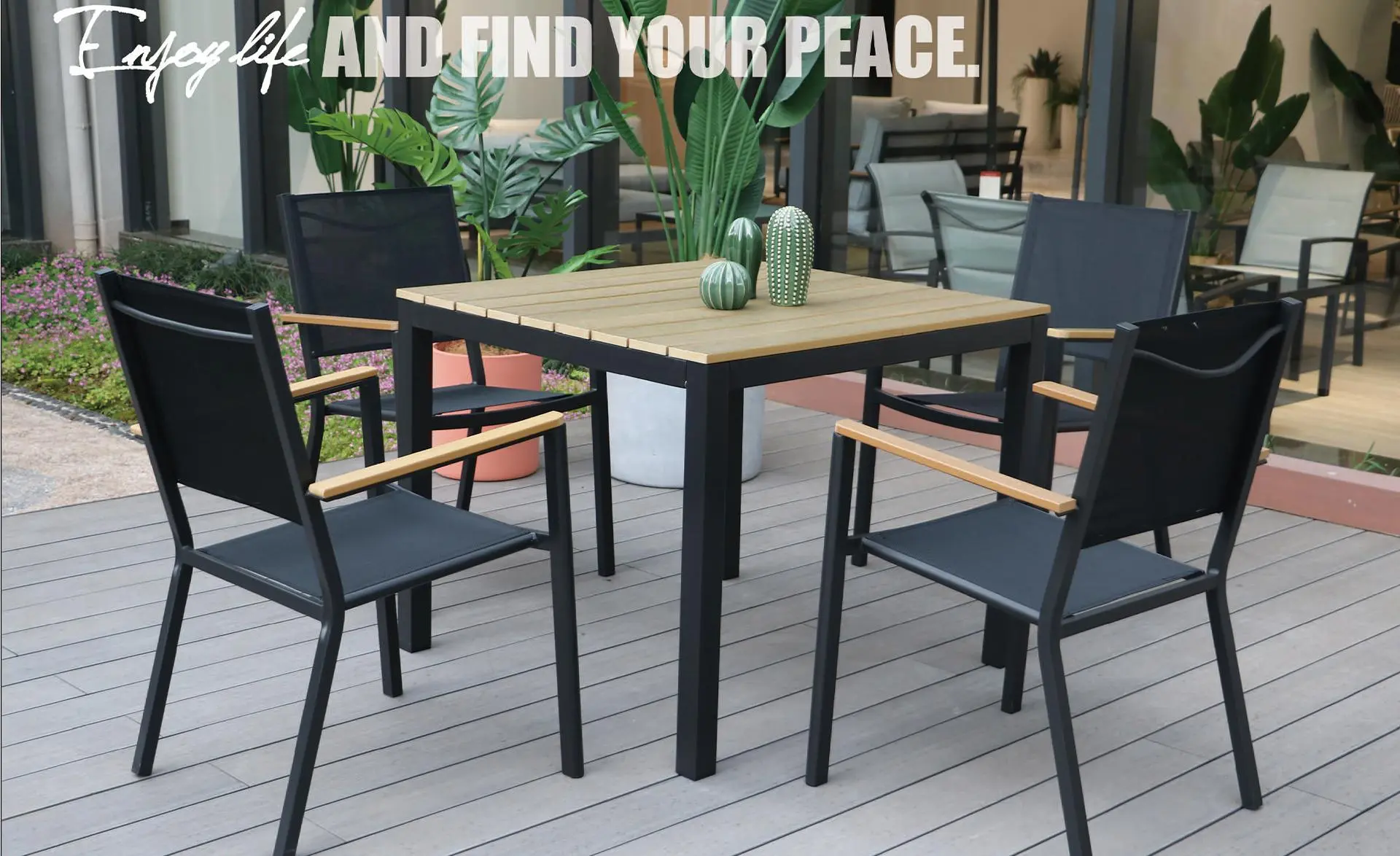
A 4-seater dining table is best when your outdoor area is small and you usually host only a few people. It’s great for daily meals, casual use, and patios where walkways need to stay clear.
Ideal Scenarios for 4-Seater Sets
Go for a 4-seater if you usually seat one to four people. This setup fits couples, small families, or shared homes with light hosting.
Compact tables work well on balconies, narrow decks, and small patios. You keep doors, grills, and walkways clear without shuffling furniture around.
A round dining table is nice in tight layouts. It helps with movement and allows flexible seating. Square or rectangular tables fit better against walls or rails.
If you eat outdoors often but only host guests now and then, a 4-seater makes sense. You can add an extra chair or two if needed without crowding.
Advantages and Limitations
A 4-seater table uses less floor space and feels easy to live with day to day. Chairs slide in fully, and cleaning is quick.
This size costs less and weighs less. Moving or storing it is easier, which is handy in rentals or shared homes.
The main drawback is capacity. You can’t seat bigger groups without squeezing in extra chairs or using nearby seating.
Serving space might feel tight during full meals. Platters and drinks may need a side table.
When to Choose a 6-Seater Outdoor Dining Set
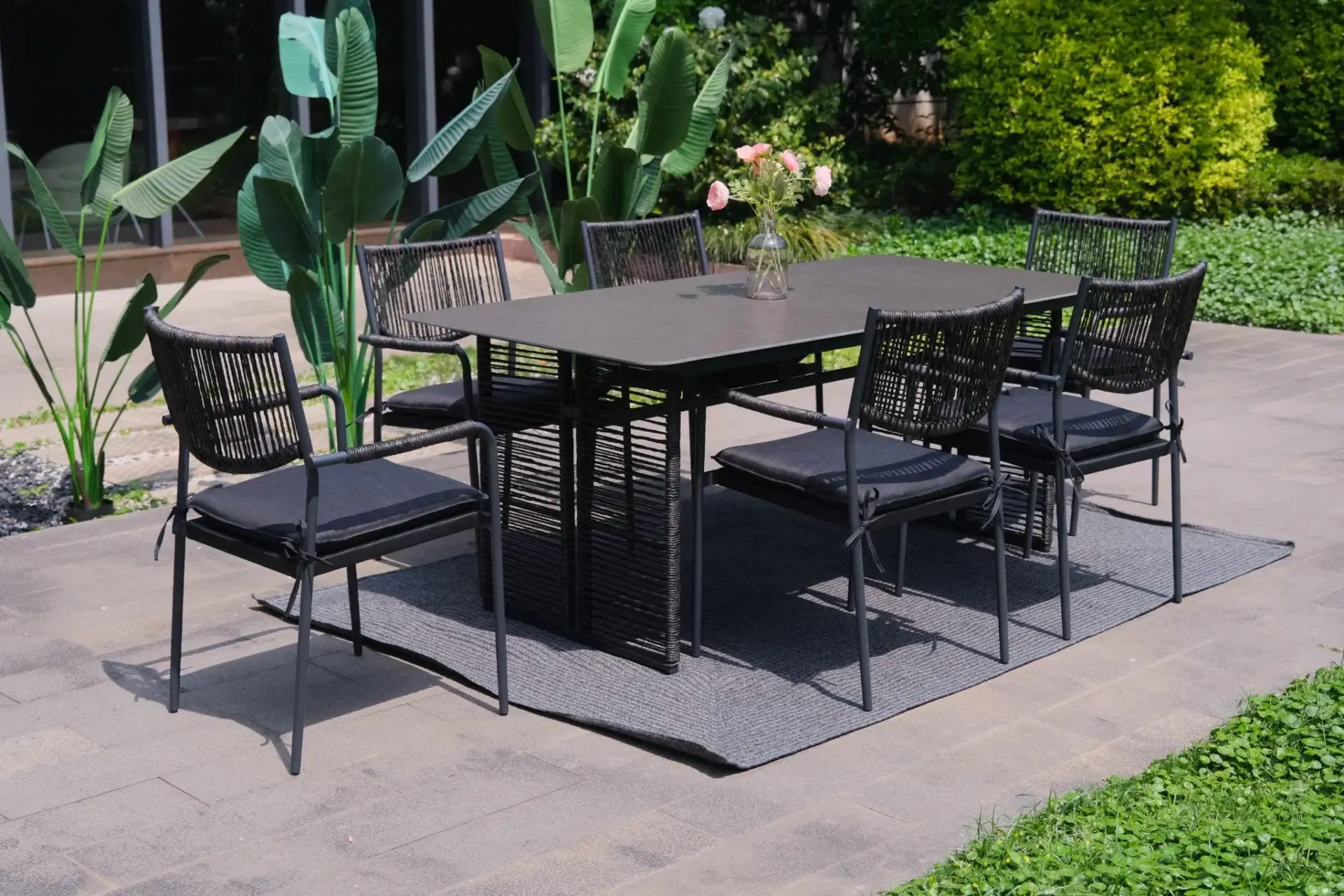
A 6-seater outdoor dining set works for spaces where you eat outside often and host guests here and there. It balances daily comfort with enough room for shared meals and movement around the table.
Ideal Scenarios for 6-Seater Sets
Pick a 6-seater dining table if you seat four to six people most weeks. This size is good for family dinners, weekend lunches, and casual gatherings without making things feel crowded.
A rectangular dining table fits best on long patios or narrow decks. It lines up with walls and walkways and keeps paths to doors or the grill open.
An oval dining table suits smaller courtyards because rounded edges help with flow and cut down on bumps.
It works best if your outdoor area allows chairs to pull out fully. Many patio dining sets mix chairs and a bench to save space and keep seating flexible.
Best fit examples
- Families who eat several times a week outdoors
- Courtyards and mid-size patios
- Hosts who want comfort without oversizing
Advantages and Limitations
A 6-seater gives you breathing room at the table. You can set out platters, drinks, and tableware without stacking things or feeling cramped.
This size feels comfortable for four people, too—not oversized or empty. Benches slide under the table, and stackable chairs store easily.
Space is the main limit. You need enough clearance for chairs and walking paths, usually about 90 cm around the table. On small balconies, this size can block doors or walkways.
Material, Comfort, and Styling Considerations
Your outdoor dining set needs to stand up to weather, support daily use, and feel comfortable for long meals. Material affects durability, seating design shapes comfort, and styling details change how the space feels.
Best Materials for Outdoor Dining Sets
Aluminum is a good choice for both 4-seater and 6-seater sets. It resists rust, stays lightweight, and doesn’t need much care.
Teak and other hardwoods give a natural look and strong build. You’ll need to oil them sometimes to keep the color and prevent cracks. All-weather wicker is nice for covered patios and adds texture, but it needs a sturdy frame.
| Material | Key Benefit | Main Trade-Off |
| Aluminum | Rust-resistant, light | Can feel cool to touch |
| Teak | Strong, classic look | Needs regular care |
| Wicker | Warm, casual style | Less durable in full sun |
Pick a material that fits your climate and how often you use your outdoor dining table.
Comfort Features: Cushions, Chairs, and Accessories
Comfort comes down to chair shape, seat height, and support. Look for chairs with backrests and armrests, especially for longer meals at a 6-seater. Wider seats give guests more room to relax.
Cushions boost comfort and help define your style. Quick-dry foam and water-resistant covers work best. Light colors stay cooler but show dirt quickly; dark colors hide stains but heat up in the sun.
Accessories add function. A parasol gives shade. Chair pads ease pressure on hard seats. Foot caps protect your flooring and keep chairs level. These details make outdoor furniture easier to live with every day.
Outdoor Dining Set Decoration Ideas
Decor makes your dining area feel finished without cluttering the table. Start with the outdoor dining table itself. Keep the center open and add candles or a low planter for a bit of style.
Toss on some cushions to bring in color and connect the set with nearby furniture. Try matching tones with umbrellas, planters, or an outdoor rug.
If you’re out in the evening, scatter solar lights or lanterns around the space—not right on the table. It creates a cozy vibe without getting in the way.
Make sure there’s enough room to pull chairs in and out. A 4-seater fits tighter spots, while a 6-seater works better with open sides.
Clean lines and just a few chosen pieces keep things practical and still inviting. Less really can be more here.
Budget and Long-Term Value
Setting a price range and knowing what kind of upkeep you’re up for helps you pick between a 4-seater and a 6-seater, so there aren’t as many surprises later on.
Dining Table Price and Quality
Prices climb with bigger sizes, better materials, and sturdier build. A 4-seater outdoor dining set usually costs less since it uses fewer materials and takes up less space. A 6-seater costs more but gives you extra seating and flexibility.
Quality matters more than just picking the biggest set. Powder-coated metal, treated solid wood, or all-weather wicker cost more but handle outdoor life much better.
Cheaper sets might look nice at first, but they often use thin frames or weak finishes, so they wear out sooner. Sometimes, you really do get what you pay for.
Maintenance and Durability
Outdoor dining furniture faces sun, rain, and wild temperature swings. The material decides how much work you’ll end up doing each year.
Material and care needs
- Metal: Needs little upkeep; check for rust and give it a regular wipe down
- Solid wood: Needs sealing or oiling once or twice a year
- Wicker (synthetic): Super easy; just clean with mild soap
More chairs with a 6-seater means more cleaning and storage. A 4-seater’s easier to cover, move, and protect.
If you’re planning to leave your set outdoors all year, durability matters more than size. Strong frames, UV-resistant finishes, and replaceable cushions help your set last and make your money go further.
Enhancing Your Outdoor Entertaining Experience
The right dining set totally shapes how you eat, host, and move around outside. Even small details like seating style or layout can bump up comfort and make entertaining a lot smoother.
Al Fresco Dining Tips
Al fresco meals feel better when the table matches your space and your habits. A 4-seater is perfect for relaxed meals and keeps walkways open. A 6-seater fits regular dinners and shared platters without everyone bumping elbows.
Don’t just count seats—think about surface space. There should be room for plates, serving bowls, and drinks. Rectangular tables usually handle group meals better than tiny round ones.
Try adding some details that make outdoor dining easier:
- Stackable chairs for storage that don’t eat space
- Benches to squeeze in more people
- Durable finishes that clean up with just soap and water
Put the table near the kitchen or grill, so you’re not running back and forth. When you’re hosting, clear walkways matter way more than fancy décor.
Flexible Layout and Entertaining Options
Flexible layouts let your outdoor space adapt to real life. A bench on one side and chairs on the other gives you comfort day-to-day and makes it easy to add guests when you need to.
Pick a setup that matches how you like to host:
- 4-seater: Bench against a wall, two chairs across
- 6-seater: Bench on one side, chairs on the other
- Extra guests: Just pull in a couple of stackable chairs
Leave enough space so you can slide chairs back and walk around the table without twisting sideways. This is key during big meals with serving trays and extra plates.
When your layout adjusts easily, the space feels open on quiet days and ready for friends at a moment’s notice.
Frequently Asked Questions
What are the standard dimensions for a 6-person outdoor dining table?
Most 6-person outdoor dining tables run about 60–72 inches long and 35–40 inches wide. That gives everyone elbow room for plates and shared dishes.
It’s smart to leave at least 36 inches of clear space around the table. You’ll appreciate it when you’re pulling out chairs or moving around.
How much space is required for a 4-seater outdoor dining set?
A 4-seater usually needs a table that’s 36–48 inches long. Square or round tables fit great in small patios or balconies.
Plan for a total area of about 7 by 7 feet, including chairs and space to walk. That way, doors, railings, and walkways stay open and easy to use.
What should be considered when choosing the size of an outdoor dining table?
How many people do you usually seat? Focus on the number that fits your regular meals, not just those rare big gatherings.
Take a tape measure to your patio or deck, and actually mark out the table size on the ground. You’ll want to check that chairs can slide back easily and that there’s still room to walk to the door or grill without bumping into anything.
Flexible seating matters, too. Benches or stackable chairs make it easier to host a few extra folks without making the space feel crowded the rest of the week.
Want to Know More About Our Products?
View All Products NowAbout Author
Spring Nee
Spring Nee is the Sales & Marketing Director at Zhejiang Sunshine Leisure Products Co., Ltd. With nearly 20 years of experience in the outdoor leisure furniture industry, she specializes in camping chairs, beach chairs, folding outdoor seating, and OEM/ODM project communication. Spring also leads the company’s marketing content direction. Most of the articles published on this website are either written by Spring herself or reviewed by her before publication, ensuring that the content is practical, accurate, and based on real industry experience.