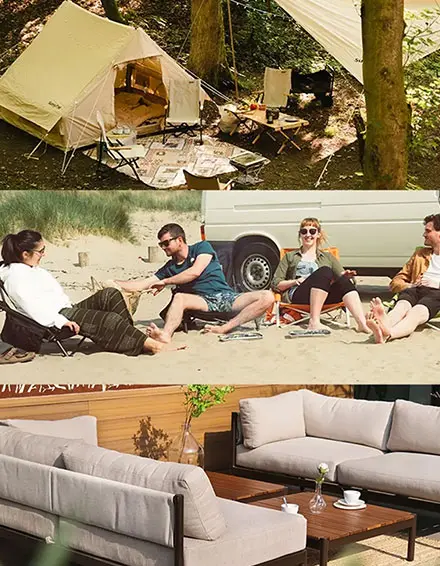
Outdoor Furniture Materials Guide: Aluminum, Steel, Wood & Textilene Compared

Jump to section
Selecting the right material is one of the most consequential decisions in any outdoor furniture project. The frame and fabric determine how long a product lasts, how much maintenance it demands, and how well it performs across climates ranging from arid heat to coastal humidity. This guide compares four core materials—aluminum, steel, wood, and textilene—across durability, cost, comfort, sustainability, and care requirements, giving buyers and sourcing professionals a clear framework for material decisions.
Why Does Outdoor Furniture Material Choice Affect Product Durability and Cost?
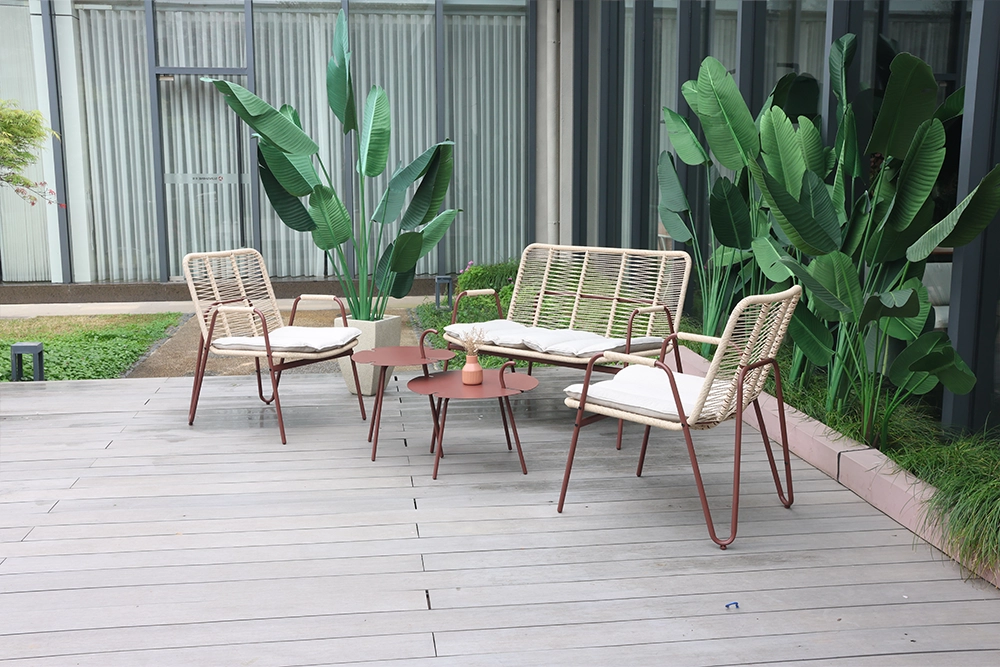
The material of outdoor furniture determines its resistance to weather, UV radiation, and corrosion, directly influencing product lifespan, maintenance frequency, and total ownership cost. A wrong material choice leads to premature replacement, higher long-term expenses, and dissatisfied end users.
How Do Weather Conditions Impact Different Outdoor Furniture Materials?
Weather conditions affect each outdoor furniture material through different degradation mechanisms. Coastal regions expose furniture to salt spray that accelerates metal corrosion. High-UV desert climates fade fabrics and crack untreated wood. Humid tropical areas promote mold growth on porous surfaces. Aluminum forms a self-healing oxide layer that resists salt air, while untreated carbon steel in the same setting may show rust within a single season.
What Role Does Material Play in Outdoor Furniture Maintenance and Lifecycle Cost?
Material selection directly determines ongoing maintenance costs over a product’s full service life. A lower-cost steel frame requiring annual recoating may ultimately cost more than a higher-priced aluminum frame that needs only occasional soap-and-water cleaning. Lifecycle cost analysis should factor in cleaning labor, refinishing supplies, replacement frequency, and potential warranty claims—especially for commercial buyers managing large furniture fleets.
What Is Aluminum Outdoor Furniture and What Are Its Key Properties?
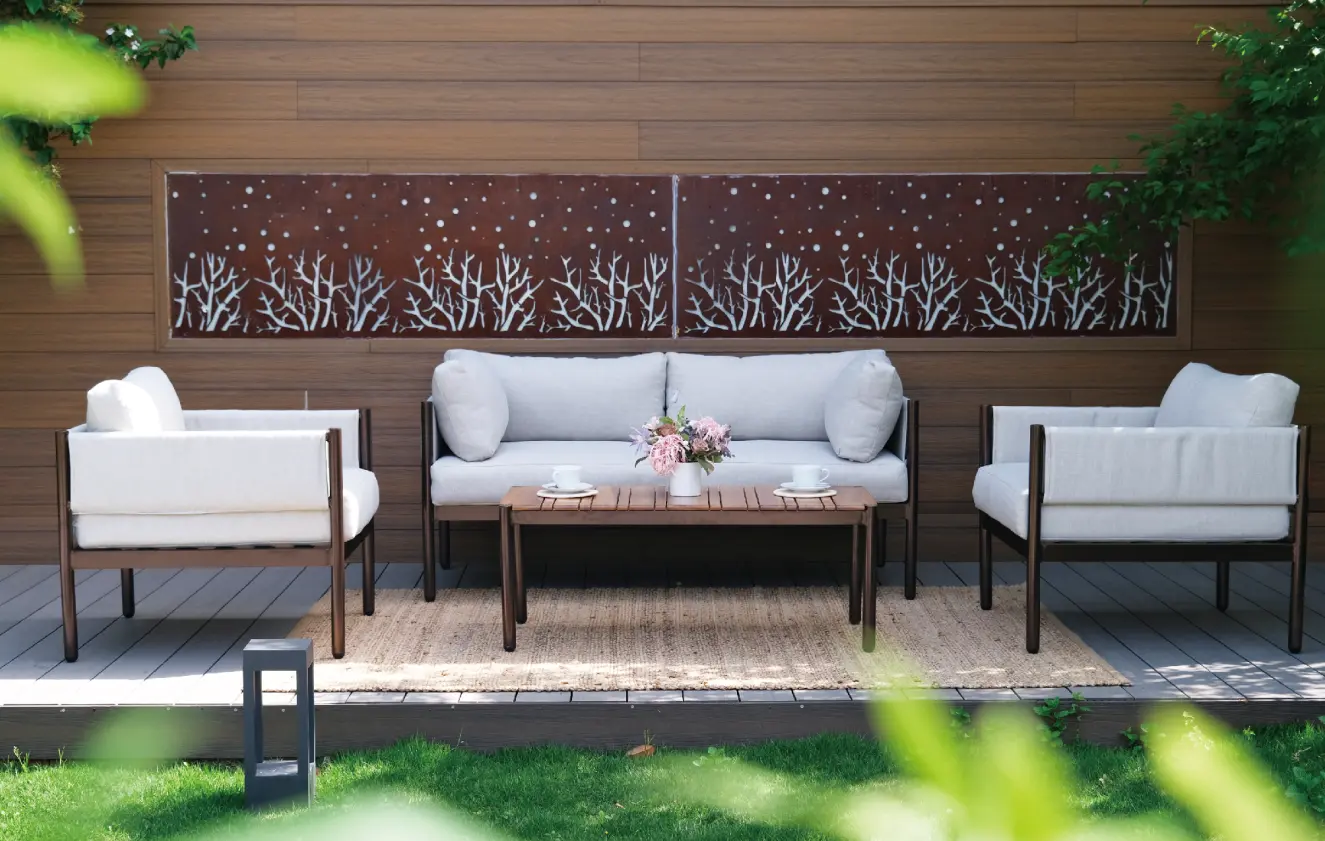
Aluminum outdoor furniture is a lightweight, corrosion-resistant category of outdoor seating, tables, and loungers that utilizes aluminum alloy as the primary structural frame material, valued for its durability and minimal maintenance requirements.
What Are the Advantages of Aluminum as an Outdoor Furniture Material?
Aluminum offers an exceptional strength-to-weight ratio, making units easy to reposition, stack, and ship. Its natural oxide layer prevents rust without additional treatment, and powder-coated finishes add UV resistance along with a wide palette of color options. The material is 100% recyclable, supporting sustainable procurement goals. For commercial operators, these properties translate into lower labor costs for setup and teardown, reduced freight expenses, and fewer warranty claims.
What Are the Disadvantages of Aluminum Outdoor Furniture?
Raw aluminum alloy costs more than carbon steel per kilogram. Its light weight, while an advantage for portability, can be a drawback in high-wind environments where unanchored pieces may shift. Aluminum also conducts heat efficiently, meaning uncoated surfaces can become uncomfortably hot under direct summer sun. Welding aluminum requires specialized equipment and skilled operators, which can affect production timelines.
What Is the Difference Between Cast Aluminum and Tubular Aluminum for Outdoor Furniture?
Cast aluminum is formed by pouring molten alloy into molds, producing heavier, more ornate pieces suited to permanent garden dining sets and decorative benches. Tubular or extruded aluminum, by contrast, is lighter and allows for folding and stacking mechanisms—making it the preferred choice for camping chairs, event seating, and any application that demands frequent transport or compact storage.
What Is Steel Outdoor Furniture and How Does It Differ From Aluminum?
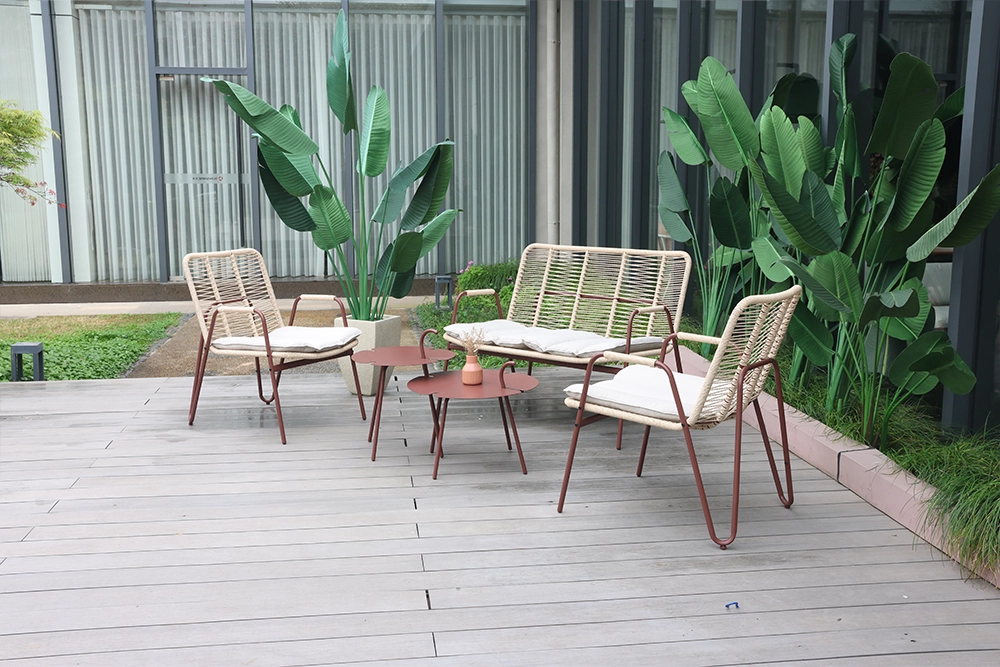
Steel outdoor furniture is a heavy-duty category of outdoor tables, chairs, and benches that employs carbon steel or stainless steel as the primary frame material, known for its high load-bearing capacity and structural rigidity.
What Are the Advantages of Steel as an Outdoor Furniture Frame Material?
Steel delivers the highest load-bearing capacity among common outdoor furniture metals. Its substantial weight provides natural wind resistance, making it suitable for exposed commercial settings. Raw material costs are generally lower than aluminum, and steel is easily welded into complex decorative forms. Properly powder-coated steel furniture offers excellent scratch and impact resistance.
What Are the Disadvantages of Steel Outdoor Furniture?
Corrosion vulnerability is the primary drawback of steel outdoor furniture. Once a protective coating chips or scratches, exposed carbon steel oxidizes rapidly—especially in humid or coastal conditions. Steel is significantly heavier than aluminum, increasing shipping costs and making rearrangement more labor-intensive. Long-term maintenance costs tend to be higher due to the need for periodic inspection and touch-up coating.
How Do Carbon Steel, Galvanized Steel, and Stainless Steel Perform Outdoors?
Carbon steel is the most affordable option but requires powder coating or paint to survive outdoors. Galvanized steel adds a zinc layer that guards against freshwater corrosion, though it is not recommended for saltwater environments. Stainless steel (particularly marine-grade 316) offers the highest corrosion resistance among steel types and performs well in salt air, though prolonged exposure to chlorinated pool water can damage its protective oxide layer over time. The right steel type depends on the installation environment and the buyer’s maintenance capacity.
What Is Wood Outdoor Furniture and Which Wood Species Are Commonly Used?
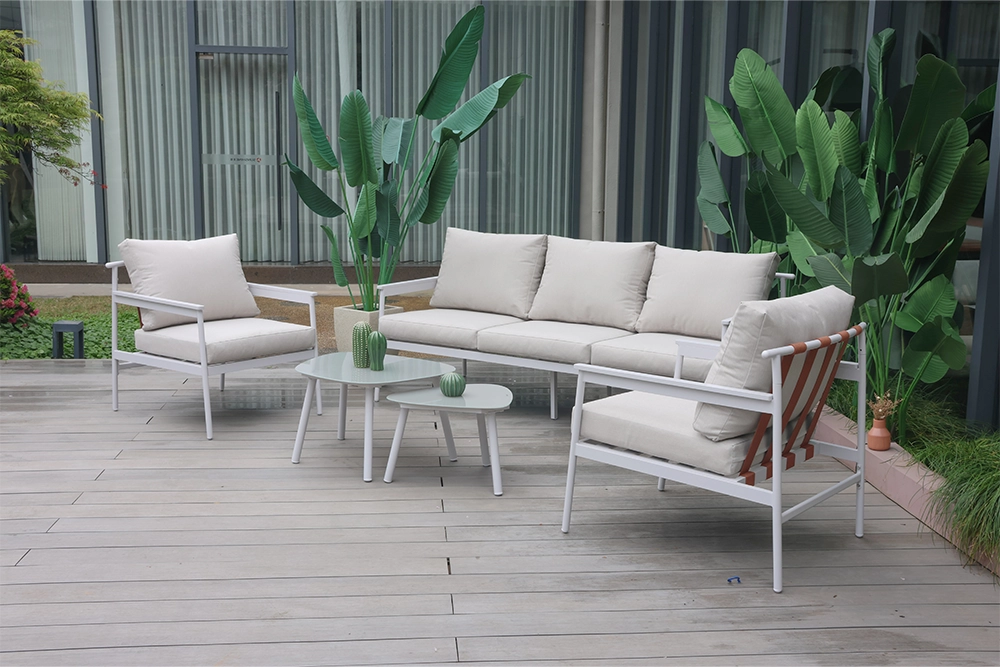
Wood outdoor furniture is a category of outdoor chairs, tables, and benches that utilizes natural or treated timber as the primary structural and surface material, prized for its organic aesthetic warmth and tactile comfort.
What Are the Advantages of Wood for Outdoor Furniture Construction?
Wood delivers a premium, natural appearance that no synthetic material fully replicates. High-oil hardwoods such as teak naturally resist moisture, insects, and decay. Unlike metal, wood has low thermal conductivity, providing a comfortable sitting surface in both summer and winter without additional cushions. FSC-certified timber meets sustainability requirements for environmentally conscious procurement programs.
What Are the Disadvantages of Wood Outdoor Furniture?
Wood requires ongoing maintenance—annual oiling or sealing to prevent cracking, warping, and graying. Premium species like teak carry a high material cost, and all solid wood adds weight that increases logistics expenses. Performance varies dramatically across species; softer woods like pine degrade quickly without aggressive treatment. Sourcing buyers must evaluate wood species carefully, as the wrong choice for a given climate can lead to rapid product failure.
How Do Teak, Acacia, Eucalyptus, and Pine Compare for Outdoor Use?
Teak leads in natural durability, with high oil content enabling a service life of 20 years or more with proper care, though it commands the highest price. Acacia offers good weather resistance at a moderate cost but requires biannual oiling. Eucalyptus provides a middle ground with natural oil content and reasonable pricing, performing well in most temperate climates. Pine is the most budget-friendly option, but its softness and low natural resistance mean it needs pressure treatment and frequent recoating to survive outdoors. Buyers sourcing FSC-certified garden furniture should verify chain-of-custody documentation for any wood species specified.
What Is Textilene Outdoor Furniture and Why Is It Popular for Commercial Use?
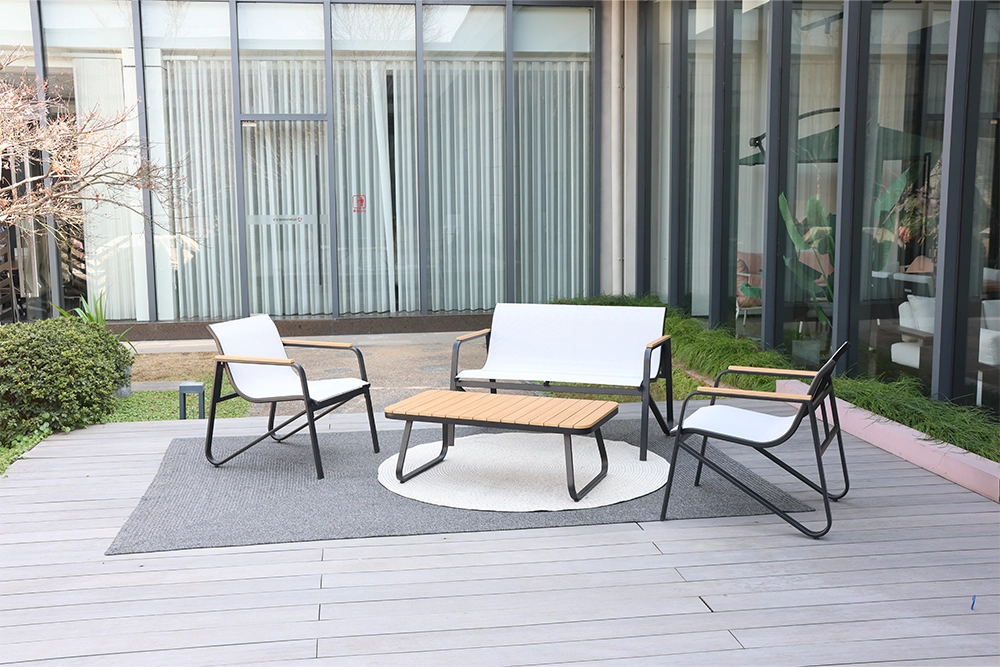
Textilene outdoor furniture is a type of outdoor chair, lounger, and sling seating that uses textilene mesh—a PVC-coated polyester fabric—as the seating surface, combined with an aluminum or steel structural frame.
What Are the Advantages of Textilene as an Outdoor Furniture Fabric?
Textilene’s open-weave construction delivers exceptional breathability and rapid drying, making it ideal for poolside and beach furniture applications. The PVC coating provides strong UV resistance, preventing the fading that plagues untreated fabrics. Textilene resists mold, mildew, and staining, and can be cleaned with nothing more than mild soap and water. Its high tensile strength prevents the sagging and stretching that affects lower-grade sling fabrics over time.
What Are the Disadvantages of Textilene Outdoor Furniture?
Extended UV exposure will eventually degrade textilene, particularly in equatorial regions with year-round intense sunlight. The fabric offers a firmer seating feel than cushioned alternatives, which some end users may find less comfortable for extended sitting. Replacing worn textilene on a frame typically requires professional re-slinging. Color and texture options, while expanding, remain more limited than those available in woven-fabric cushion covers.
How Do Aluminum, Steel, Wood, and Textilene Compare Across Key Performance Factors?
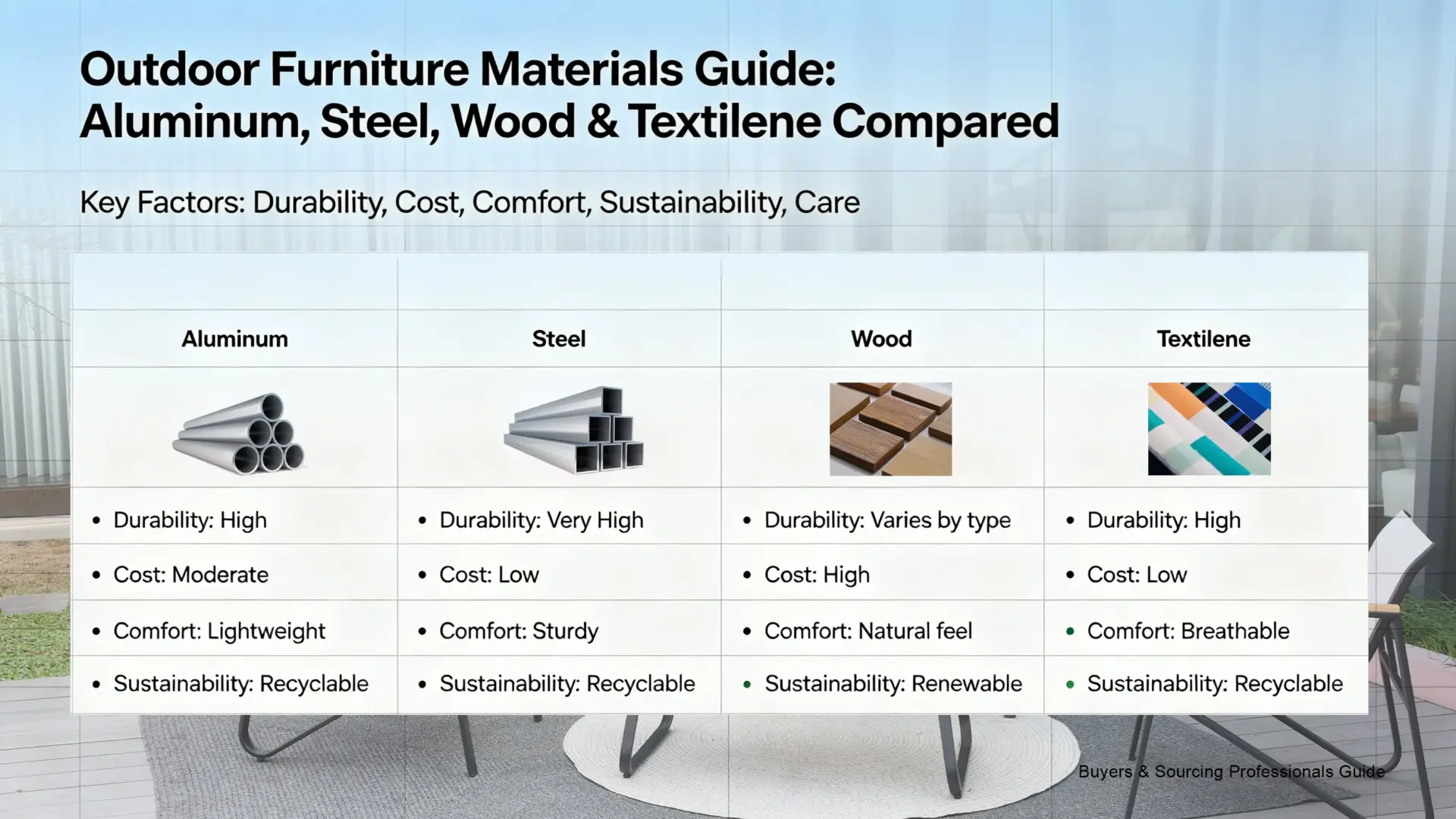
Aluminum leads in corrosion resistance and portability, steel excels in structural strength and cost-efficiency, wood offers unmatched natural aesthetics and thermal comfort, and textilene provides breathable, fast-drying seating performance. The optimal choice depends on environment, budget, maintenance capacity, and intended use scenario.
Which Outdoor Furniture Material Provides the Best Comfort in Extreme Heat or Cold?
Metal surfaces—both aluminum and steel—absorb and conduct heat, which can make seating uncomfortable in peak summer. Powder coating in lighter colors and pairing metal frames with textilene slings or cushions mitigate this issue effectively. Wood has the lowest thermal conductivity among these four materials, making it the most comfortable option for direct skin contact across temperature extremes.
Which Outdoor Furniture Material Is the Most Sustainable and Eco-Friendly?
Aluminum is infinitely recyclable with no loss of quality, and recycled aluminum requires only about 5% of the energy needed for primary production, giving it strong circular-economy credentials. FSC-certified wood is a renewable resource with lower embodied energy than metals during initial harvesting. Steel has high recyclability rates, though primary smelting remains energy-intensive. Textilene’s PVC-polyester composition presents recycling challenges, though its long service life offsets some environmental impact.
How Should Buyers Clean and Maintain Each Outdoor Furniture Material?
Proper cleaning and maintenance routines vary by material and directly determine how long outdoor furniture stays in service. Aluminum and textilene require only mild soap and water. Steel demands periodic rust inspection and prompt touch-up coating at any chip or scratch. Wood needs annual oiling or sealing to prevent cracking and UV graying.
For aluminum, a soft cloth with diluted dish soap removes most surface dirt; alkaline cleaners should be avoided as they cause oxidation. Steel should be inspected seasonally for coating damage—any rust spots should be sanded immediately and treated with matching touch-up paint. Wood benefits from an annual application of penetrating oil (for teak and acacia) or exterior sealant (for pine and eucalyptus). Textilene can be hosed down and scrubbed lightly with a soft brush; stubborn mildew responds to a diluted vinegar solution.
Should Outdoor Furniture Be Stored Indoors During Winter or Left Outside Year-Round?
Powder-coated aluminum and textilene sling furniture can generally remain outdoors year-round with a breathable cover. Untreated or lightly coated steel should be moved to dry storage or protected with waterproof covers. Wood furniture—especially softwood species—benefits greatly from indoor winter storage or, at minimum, elevation off the ground to prevent moisture wicking. Cushions should always be stored indoors in a cool, dry location during the off-season.
How to Choose the Right Outdoor Furniture Material for a Specific Project?
The right material depends on the intersection of deployment environment, maintenance capacity, and brand positioning. Matching material properties to these project-specific factors prevents costly mismatches and maximizes return on investment.
When to choose aluminum: Projects involving frequent furniture rearrangement, coastal or poolside exposure, or minimal long-term maintenance requirements—such as garden dining sets and sofa collections for hospitality properties—favor aluminum.
When to choose steel: Budgets prioritizing lower upfront material cost, locations experiencing strong winds, and operations teams with capacity for periodic maintenance checks make steel a logical fit.
When to choose wood: Brand identities demanding a natural, premium aesthetic—boutique resorts, wellness retreats, high-end residential developments—justify wood’s higher cost and maintenance commitment.
When to choose textilene: Scenarios prioritizing speed of turnaround and ease of cleaning—such as beach resort seating, campground lounge areas, and rental operations—benefit most from textilene’s quick-dry, low-maintenance profile.
Combining materials often yields the best results. An aluminum frame paired with a textilene sling combines structural corrosion resistance with breathable comfort. A steel base topped with a wood-slat surface delivers both weight stability and natural warmth.
FAQs
Is aluminum or steel better for furniture that stays outside year-round?
Aluminum is generally the better choice for permanent outdoor placement because its natural oxide layer prevents rust without ongoing intervention. Steel can perform well if high-quality powder coating is maintained and inspected regularly.
How long does untreated wood outdoor furniture last?
Untreated teak develops a silver-gray patina but can remain structurally sound for 15–20 years. Softer woods like pine may begin to crack and decay within 2–3 years without sealing or treatment.
Can metal outdoor furniture get too hot to sit on in summer?
Unshaded metal surfaces can reach uncomfortable temperatures in direct sunlight. Lighter-colored powder coatings, textilene slings, and shade structures all help mitigate heat buildup.
What is the most cost-effective material for large-scale outdoor furniture projects?
For high-volume commercial deployments, aluminum frames with textilene slings typically deliver the lowest total cost of ownership, combining competitive unit pricing with minimal maintenance and long replacement cycles.
Want to Know More About Our Products?
View All Products NowAbout Author
Spring Nee
Spring Nee is the Sales & Marketing Director at Zhejiang Sunshine Leisure Products Co., Ltd. With nearly 20 years of experience in the outdoor leisure furniture industry, she specializes in camping chairs, beach chairs, folding outdoor seating, and OEM/ODM project communication. Spring also leads the company’s marketing content direction. Most of the articles published on this website are either written by Spring herself or reviewed by her before publication, ensuring that the content is practical, accurate, and based on real industry experience.