Table Mechanism and Portability Comparison—Roll-Top Aluminum vs. Fold-in-Half Camping Tables
Choosing a camping table depends on your trip, your gear, and how much space you have. Some outdoor tables pack down tiny but feel a bit flimsy or flexible.
Others feel rock solid and stable, but they hog space in your car or storage bin. If you want easy carrying and a small packed size, a roll-top aluminum table is usually the way to go.
If you care more about strength and a broad surface, fold-in-half camping tables fit the bill. That one decision shapes your travel style, setup speed, and how much weight you can load on the table.
This breakdown digs into how each camping table works, how portable they really feel, and where each design makes sense. Table mechanisms, materials, and setup style all change the way a camping table performs at your site, tailgate, or park.
Overview of Camping Table Mechanisms
Camping tables use simple mechanical designs to balance stability, pack size, and setup speed. Roll-top aluminum and fold-in-half tables approach these goals very differently, which changes how you carry, store, and use them.
Roll-Top Aluminum Mechanism Explained
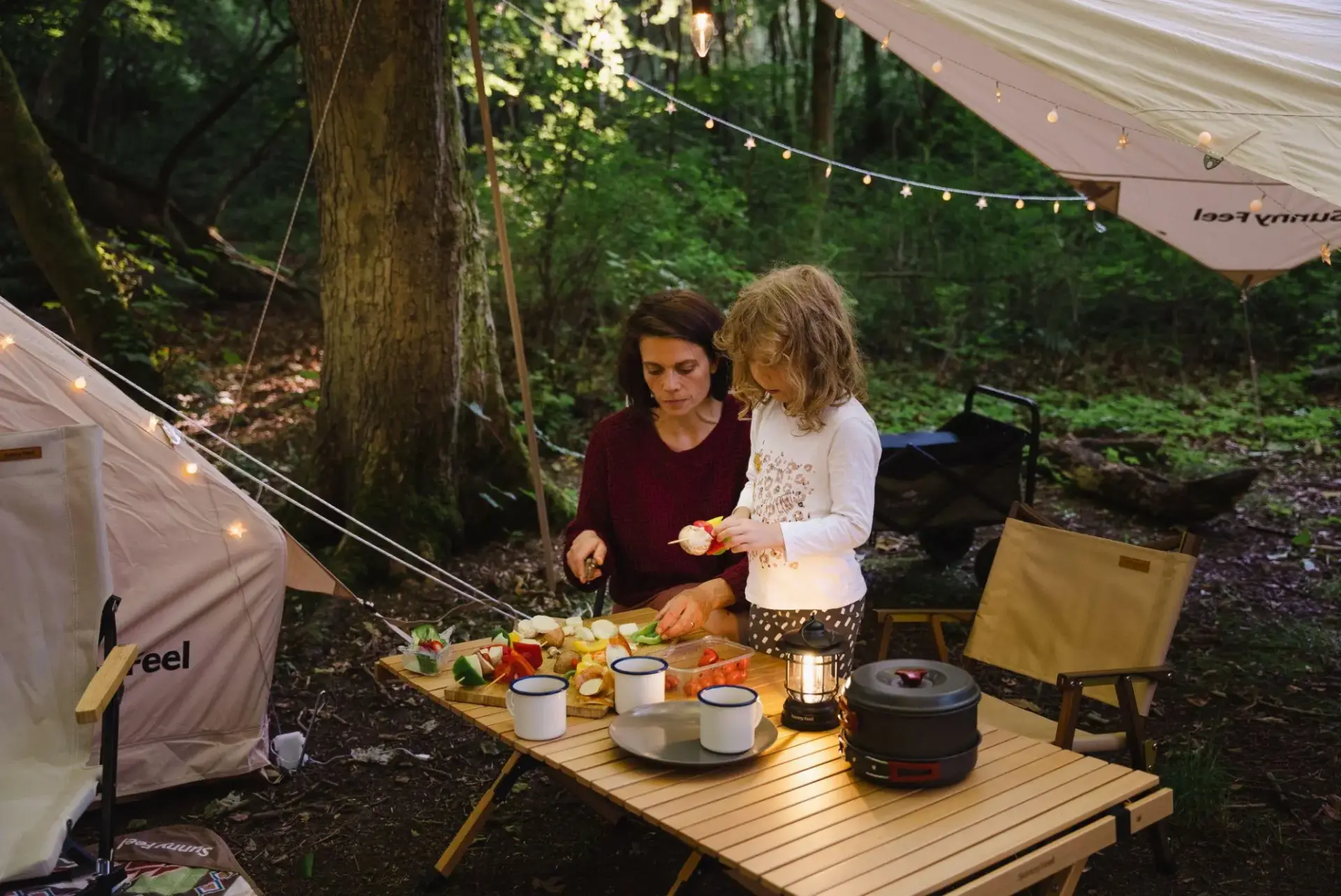
A roll-top aluminum folding table uses narrow slats linked by flexible cords or hinges. You lay out the slats, then attach them to a separate leg frame.
When packed, the slats roll up into a tight bundle, usually stashed in a small carry bag. This mechanism keeps weight down and makes it easy to haul around.
Lots of aluminum folding tables weigh under 4 pounds and fit inside a backpack. Setup takes under a minute, though you do need to line up each slat.
The design trades some rigidity for a compact pack. The table can flex under heavy loads, especially on uneven ground. Roll-top tables work best for light tasks—meals, a camp stove, or sorting gear.
Key traits of roll-top designs:
- Compact packed size
- Lightweight aluminum construction
- Moderate load limits
Fold-in-Half Mechanism Detailed

A fold-in-half camping table uses a solid tabletop split down the center. Hinges let the two halves fold together, and the legs collapse inward.
You unfold the table, lock the legs, and set it on level ground. This design prioritizes strength and ease of use.
The solid surface takes heavier items like coolers or big cook kits. Many models easily handle 50 pounds or more without bending.
Portability isn’t as strong here. Fold-in-half tables pack flat but stay wide and long—often 24 to 36 inches. You’ll need room in your vehicle. Setup is quick, with fewer loose parts.
Common features include:
- One-piece tabletop sections
- Steel or aluminum frames
- Fast, tool-free setup
Other Folding Table Mechanisms
Some folding camping tables use hybrids. Panel-style tables fold into multiple flat sections, not just halves. Telescoping-leg tables let you adjust height for cooking or dining.
X-frame tables cross their legs under a fabric or slatted top. They pack small but can wobble more. Fixed-leg folding tables ditch hinges but eat up more storage space.
Each table mechanism changes how you move and use your table. It’s worth matching the design to your trip length, load needs, and storage.
Comparison of Portability Features
Portability shapes how often you actually use a camping table and where you bring it. Weight, packed size, and carry options all matter, whether you’re walking a short trail or loading up for car camping.
Weight and Compactness
Roll-top aluminum tables keep weight low and pack down small. Most weigh 2–4 pounds and roll into a slim tube.
They fit in a backpack, trunk corner, or tote bag without fuss. Fold-in-half camping tables weigh more thanks to their solid panels and frames.
Most options come in at 8–15 pounds and fold into a flat rectangle. They take up more space but are still manageable for car trips.
Quick comparison
| Feature | Roll-Top Aluminum | Fold-in-Half |
| Typical weight | 2–4 lbs | 8–15 lbs |
| Packed shape | Cylinder | Flat panel |
| Best use | Hiking, beach table | Car camping |
Ease of Transport and Storage
Carrying a roll-top table is easy with one hand. The slim cylinder shape slides under a car seat or straps to a backpack without hassle.
This design works well for a lightweight table you move often. Fold-in-half tables feel bulkier when you carry them, and the wide shape can bump your legs on short walks.
Storing them at home needs more space, like a closet or garage wall. For frequent setup and takedown, roll-top tables save time. Fold-in-half tables work best for trips where you unload once and leave the table in place.
Carrying Bag and Accessories
Most roll-top tables include a carrying bag with a strap or drawstring. These bags add almost no weight and keep parts together.
Some bags have loops for clipping to a backpack. Fold-in-half tables usually come with bigger zippered bags, which protect the table but add bulk.
Handles help for short carries, but long walks get tiring. Accessories vary—roll-top tables sometimes have mesh pockets or hooks, while fold-in-half tables may add cup holders or shelves. Those extras can make the table less portable, though.
Material and Durability Assessment
What the table’s made from changes how it feels, how much weight it handles, and how it stands up to weather. Roll-top aluminum and fold-in-half tables use different builds, which affects strength, wear, and portability.
Aluminum Tabletop Advantages
An aluminum tabletop keeps weight down and feels firm for most camp use. It’s easy to move with one hand, which helps when space is tight.
Roll-top aluminum slats pack up small and shrug off dents better than thin plastic. Aluminum doesn’t absorb moisture, so you can wipe it clean after meals without worry.
This matters when you’re cooking or using the table for a picnic. Heat from stoves or cookware isn’t a big deal, unlike with fabric or coated wood.
Some benefits you’ll notice right away:
- Low weight for easier transport
- Rigid surface for food prep
- Simple cleaning with water or a cloth
Structural Strength and Load Capacity
Strength comes down to the frame and how the top connects. Fold-in-half tables use solid panels and thicker leg braces, so you get higher load limits—often 50 to 100 pounds.
That’s plenty for family meals or heavy gear. Roll-top tables sacrifice some strength for portability. Most support 20 to 30 pounds, fine for a stove, drinks, or small cookware.
Aluminum frames flex a little under weight, but bounce back if not overloaded.
Here’s a quick side-by-side:
| Feature | Roll-Top Aluminum | Fold-in-Half Table |
| Typical load | 20–30 lbs | 50–100 lbs |
| Frame style | Thin aluminum poles | Rigid aluminum or steel |
| Best use | Solo or light use | Group or picnic table use |
Resistance to Weather and Outdoor Conditions
Aluminum stands up to rain, sun, and dirt without much fuss. It doesn’t rust and dries quickly after storms.
Leaving it outside overnight is no big deal compared to wood-based tables. Fold-in-half tables with aluminum tops offer similar weather resistance, but steel hinges may need drying to avoid rust over time.
Plastic tops resist water but can warp in heat. Both table types handle uneven ground well, though lighter roll-top designs can shift in the wind.
You can weigh them down if needed. For longer trips, aluminum tables hold up with almost no upkeep.
Setup Experience and User Convenience
Roll-top aluminum tables make setup quick and packing easy. Fold-in-half camping tables focus on rigidity and feel familiar, like a card table at home.
Assembly and Disassembly Process
With a roll-top aluminum table, you snap together the leg frame, then slide or clip the slats on top. Setup usually takes 30–60 seconds once you get the hang of it.
The table packs into a slim bag, which fits easily in a backpack or alongside a portable bench. Taking it down is just the reverse, but you do need to align the slats or they might bend or snag.
A fold-in-half camping table opens up like a card table. Just unfold the top, extend the legs, and lock them. Setup takes 2–5 minutes and feels pretty familiar.
Packing takes up more space, but with fewer small parts, it’s harder to mess up or lose anything.
| Feature | Roll-Top Aluminum | Fold-in-Half |
| Setup time | Fast after practice | Slower, very simple |
| Packed shape | Long cylinder | Flat rectangle |
| Loose parts | Slats and frame | Usually none |
Stability and Safety Considerations
Roll-top tables give up some stiffness for portability. The slatted surface can flex, especially if you put a camp stove or cooler on top.
Uneven ground might cause a wobble unless you adjust the legs or move the table. It’s best to keep heavy items away from the edges.
Fold-in-half tables feel much more like home furniture. The solid top spreads weight evenly and can support heavier loads, often 50 pounds or more.
Locking leg braces add safety and reduce the risk of collapse. For cooking or group meals, fold-in-half designs really shine. For lighter use—snacks or sorting gear—a roll-top table feels stable enough on flat ground.
Best Use Cases for Each Table Type
Roll-top aluminum and fold-in-half camp tables suit different needs. The right pick depends on your travel style, how much weight you want to carry, and how much surface space you need.
Camping and Outdoor Recreation
Roll-top aluminum camp tables work best for hiking, biking, or packing light. The slatted top rolls into a slim bag, which straps to a backpack or fits in a small trunk.
These tables set up fast and weigh very little, which is great for short trips or solo camps. Fold-in-half camp tables are better for car camping and base camps.
The solid surface holds more weight and stays steady on uneven ground. You can prep food, set up a stove, or seat several people. The bigger size also keeps gear off the ground.
Quick fit guide:
| Need | Better Choice |
| Backpacking | Roll-top aluminum |
| Family camping | Fold-in-half |
| Uneven ground | Fold-in-half |
| Fast setup | Roll-top aluminum |
Picnics and Beach Outings
For picnics, easy carry and quick setup just make life simpler. A roll-top aluminum table fits well for short walks from the car.
The aluminum surface shrugs off moisture and dries fast after spills. Sand falls through the gaps, which honestly helps at the beach.
Fold-in-half tables work for group picnics and those beach days with coolers and trays. The flat top keeps plates steady and supports heavier stuff.
It doubles as a serving station or a game table if that’s your thing.
Key points to keep in mind:
- Wind: Heavier fold-in-half tables don’t blow around as much.
- Foot traffic: Larger tables mean less crowding.
- Storage: Roll-top tables tuck away easily at home.
Event and Home Utility
At events, you need space and a table that won’t give out. Fold-in-half tables come in handy for yard sales, craft booths, and community events.
They support boxes, displays, and tools without much flex. Indoors, they work fine as a spare table.
Roll-top tables fit small jobs at home. Set one up on a balcony, in a garage, or as a side table when you need it.
The compact size helps if you’re short on storage space.
When shopping online, watch for ads that overpromise on load limits. It’s worth checking real weight ratings and the packed size before you buy.
Frequently Asked Questions
What are the advantages of roll-top aluminum tables compared to fold-in-half camping tables?
Roll-top aluminum tables pack into smaller bags than fold-in-half tables. They fit into tight spaces like car trunks or gear bins.
Setup is pretty simple—lock the frame and unroll the slatted top. The aluminum surface handles heat better than the plastic tops most fold-in-half tables use.
Fold-in-half tables offer a solid, flat surface. They take up more space when packed and usually weigh more due to thicker frames and tops.
How do roll-top aluminum camping tables compare in weight and portability with other folding tables?
Roll-top aluminum tables usually weigh less than steel or plastic fold-in-half tables. Most models come in under 10 pounds and fit into slim carry bags.
You can carry them with one hand or strap them to other gear. That makes moving them from the car to the campsite way easier.
Fold-in-half tables fold up fast but stay bulky. Their larger packed size limits storage options when you travel.
Are there specific folding camping tables that are best suited for cooking and food preparation?
For cooking, a stable table with a heat-resistant surface really makes a difference. Aluminum roll-top tables handle stoves, hot pans, and prep tools without much fuss.
Models with higher weight ratings and locking legs tend to hold up better. Cross-braced frames add extra stability, especially if the ground’s a bit uneven.
Fold-in-half tables with solid tops can work for food prep too. Versions with reinforced frames and non-flexing surfaces help prevent that annoying wobble.
Want to Know More About Our Products?
View All Products Now