Choosing the Right Wheel Type for Terrain—Folding Camping Wagons Guide
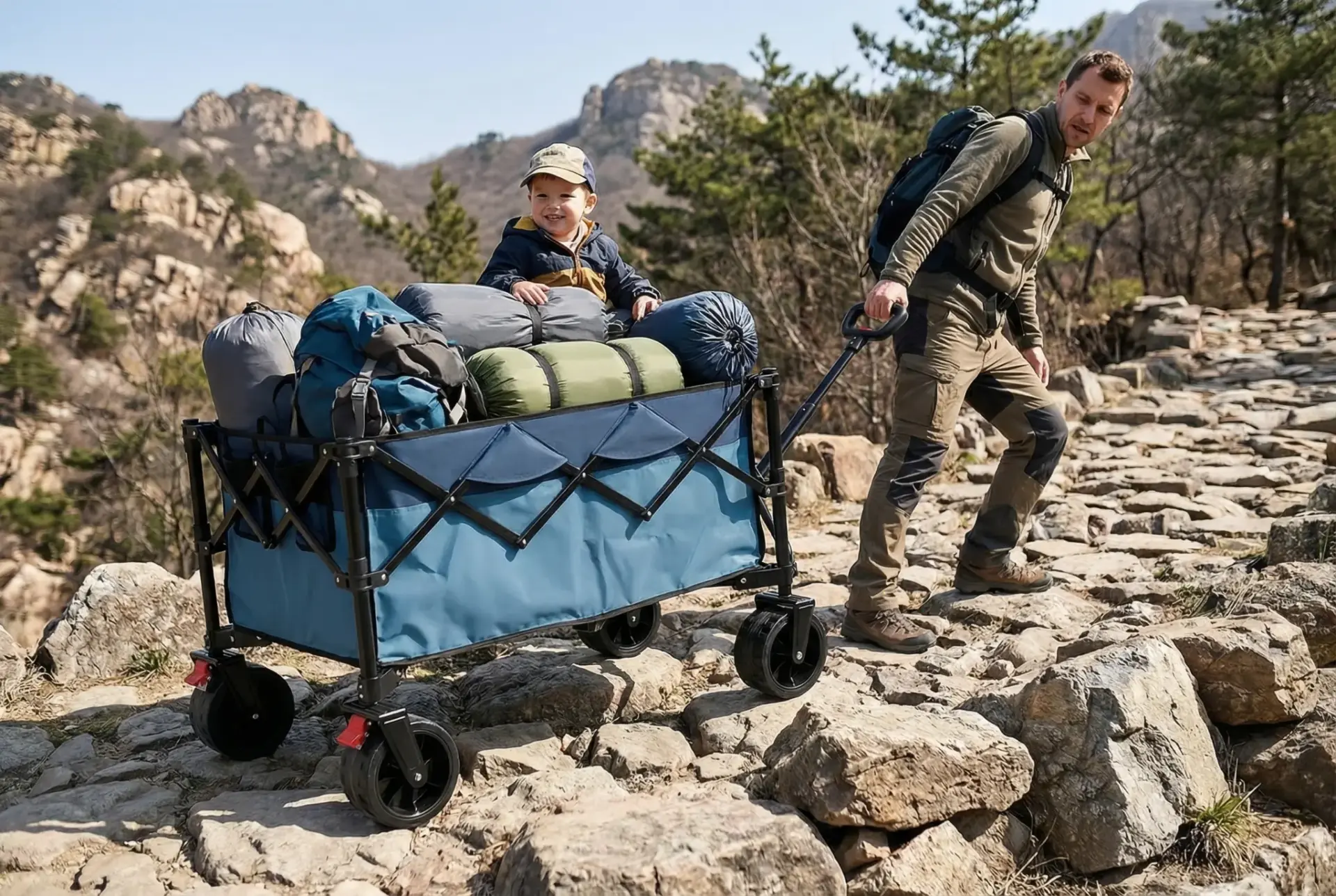
Let’s be real: you want a folding camping wagon that actually rolls where you camp, not one that drags and fights you every step. Wheel type makes all the difference for moving gear across dirt, grass, gravel, or sand. Pick the wrong wheels, and even a light load feels like a workout.
Go for regular wheels on firm ground like pavement and packed dirt. Wide wheels make more sense for soft surfaces—sand, loose gravel, mud. That one decision changes how much effort you spend, how much control you have, and how stable your wagon feels when it’s loaded up.
This guide breaks down how wheel design changes real-world performance on different terrain. We’ll look at how regular and wide wheels stack up, which surfaces suit each, and what other wagon features matter with wheel choice.
Why Wheel Type Matters in Folding Camping Wagons
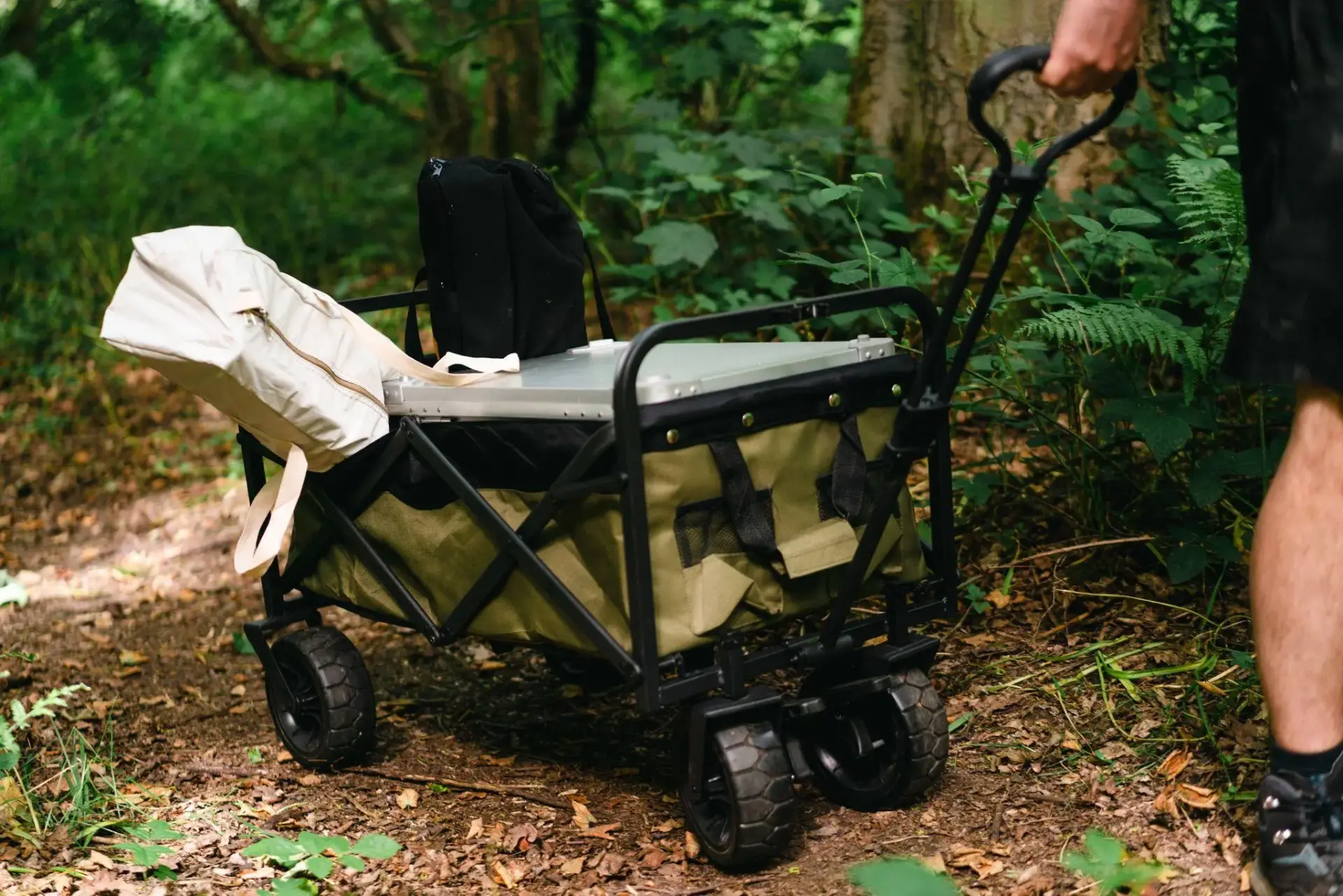
Wheel type shapes how your folding wagon moves, carries weight, and deals with outdoor ground. Regular wheels and wide wheels act very differently on sand, gravel, grass, and dirt. That affects comfort, control, and how much you sweat.
Impact of Wheel Type on Terrain Performance
Wheel width and diameter decide how your camping wagon interacts with the ground. Regular wheels do great on hard, flat surfaces like pavement or packed dirt. They roll fast, turn easy, but sink on soft ground.
Wide wheels spread weight over a bigger area. That helps your wagon float over sand, mud, and loose gravel instead of digging in. You pull with less force, even with a heavy load.
Here’s a quick comparison:
| Terrain Type | Regular Wheels | Wide Wheels |
| Pavement | Smooth, fast | Stable, slower |
| Grass | Acceptable | Better grip |
| Sand | Sinks easily | Stays on top |
| Gravel | Bounces more | Rolls steadier |
Larger wheels climb roots and rocks more easily. That really helps on campsites and trails.
Role of Wheel Design in Usability
Wheel design changes how easy your utility wagon feels in use. Tread pattern, material, and bearings all matter. Smooth tread rolls quietly on pavement but slips on dirt. Knobby tread grips uneven ground and gives you more control.
Rubber wheels absorb bumps and dull vibration. Plastic wheels weigh less but transfer more shock to the frame. Air-filled wheels feel cushy but need a little more attention.
Bearings matter for effort. Sealed bearings keep dirt and water out, which is a big plus on camping trips. They help your folding wagon roll smoothly with less pulling force.
Poor wheel design means more handle strain, more steering, more frustration. Good wheels keep your wagon tracking straight, even when it’s fully loaded.
Regular Wheels vs. Wide Wheels: Key Differences
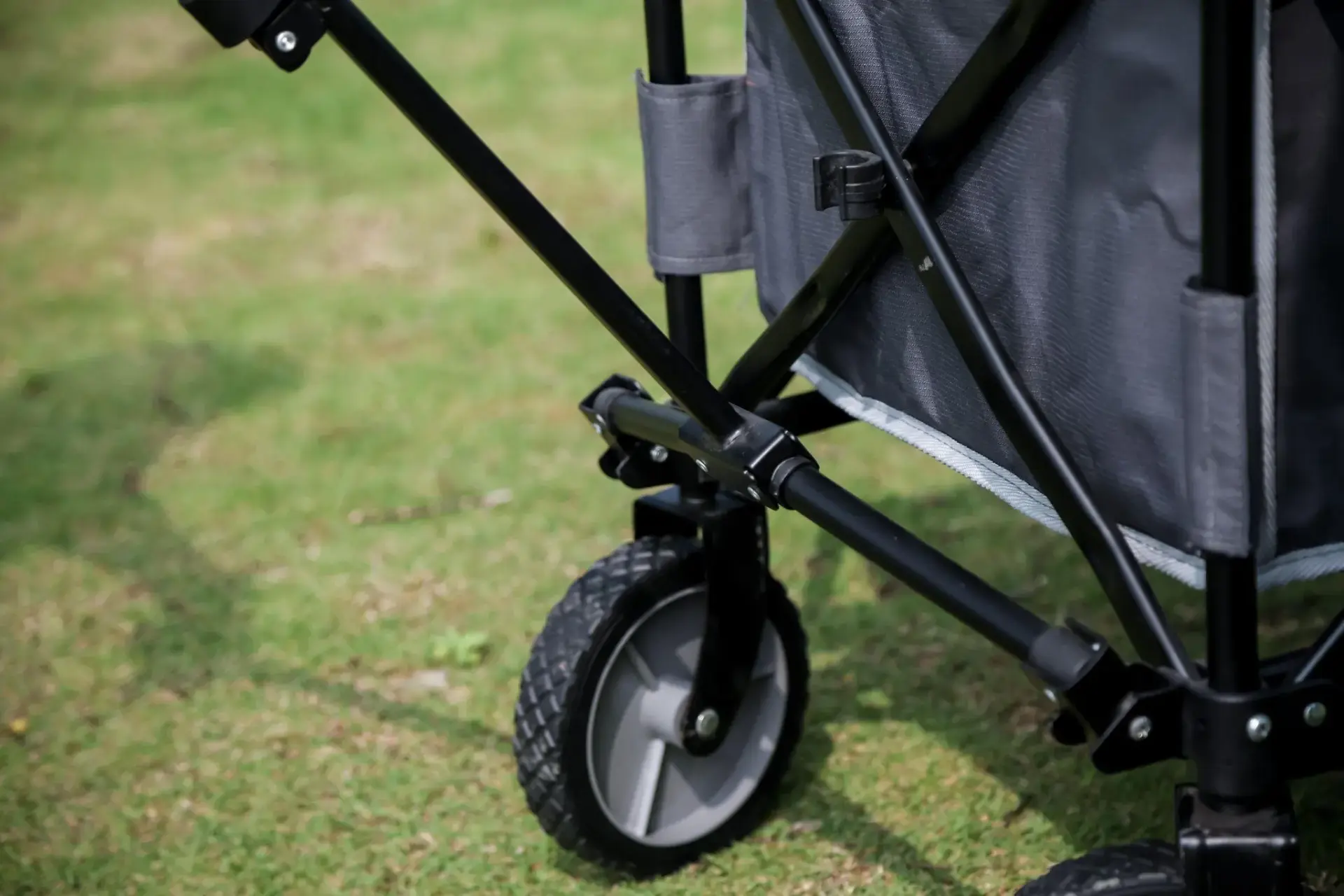
Regular and wide wheels totally change how a folding utility wagon handles weight, rolls over ground, and fits what you do. The big differences come from how each wheel is built, where it shines, and how it affects control when you’re pulling or pushing the wagon.
Construction and Materials
Regular wheels usually have a narrow profile with hard plastic or rubber tread. Most use solid cores or skinny air-filled tires. This keeps costs down and works fine on smooth ground. You’ll find these wheels on basic folding camping wagons made for lighter loads.
Wide wheels use a broader tread and thicker sidewalls. Many use rubber or PU with texture. Some all-terrain wheels add foam or air fill to soak up shock. Big wheels spread weight across more ground, so they don’t sink in soft stuff. Rugged wheels often pair wide tires with stronger hubs for heavier hauling.
Pros and Cons for Various Terrains
Regular wheels shine on hard, flat surfaces. Pavement, packed dirt, indoor floors—easy rolling, little effort. They struggle with sand, gravel, or mud. Narrow tread digs in, which means more drag and more tipping risk.
Wide wheels handle uneven and soft ground better. Grass, loose soil, beach sand, snow—they all want a wider footprint. All-terrain wheels keep the wagon stable and cut down on bouncing. The tradeoff? On smooth surfaces, wide wheels can feel slower and less nimble. Plus, they take more space when folded.
Terrain performance at a glance:
| Terrain | Regular Wheels | Wide Wheels |
| Pavement | Excellent | Good |
| Grass | Fair | Very good |
| Sand | Poor | Good |
| Gravel | Fair | Very good |
Weight and Maneuverability
Regular wheels keep the wagon lighter and easier to toss in a car. You can turn sharply and move through tight spots without much hassle. That’s handy at campsites, parking lots, or crowded places.
Wide wheels add weight, especially with big wheels and tough hubs. You might notice slower turns and a bigger turning radius. But with a heavy load, a folding utility wagon with wide wheels feels more stable. On uneven ground, they track straighter and avoid getting stuck in ruts or soft patches.
Best Wheel Types for Specific Terrains
Wheel width, diameter, and material all change how a folding camping wagon moves when loaded. Terrain affects drag, stability, and control—so picking the right wheels saves effort and keeps your stuff safe.
Sand and Beaches
Soft sand needs wide, low-pressure wheels that spread weight. Narrow wheels just sink and make you work harder.
A beach wagon or best beach wagon usually has wide, air-filled tires. These float on sand and roll with less resistance. Bigger diameters help you cross soft patches near the water.
Look for these traits:
- Wide tread to keep from sinking
- Pneumatic tires for better flotation
- Sealed bearings to block sand and salt
Solid plastic wheels just don’t cut it here. If you camp near dunes or the surf, go for an all-terrain folding wagon with true beach wheels.
Grass, Dirt, and Trails
Mixed terrain needs a middle ground. Grass, packed dirt, and light trails work best with medium-width wheels and some tread.
An outdoor utility wagon with air-filled tires handles bumps and roots better. Air smooths out the ride and keeps your load steady. Solid rubber wheels can work, but they pass on more vibration.
What to look for:
- Moderate width for stability without extra drag
- Air-filled or foam-filled tires for comfort
- Larger diameter to roll over roots and ruts
For parks and campgrounds, this setup gives you control without making the wagon bulky.
Gravel, Pavement, and Urban Surfaces
Firm surfaces want efficiency. Narrower wheels with harder rubber roll faster and steer easier.
On pavement or gravel, solid or foam-filled wheels work well. They need almost no maintenance and resist punctures. Smaller diameters help with tight turns and storage.
Best features for city and paved use:
- Hard rubber or solid wheels
- Smooth or shallow tread
- Compact wheel size for control
If you mostly use your wagon in cities or paved campgrounds, this setup just works.
Other Critical Wagon Features for Performance
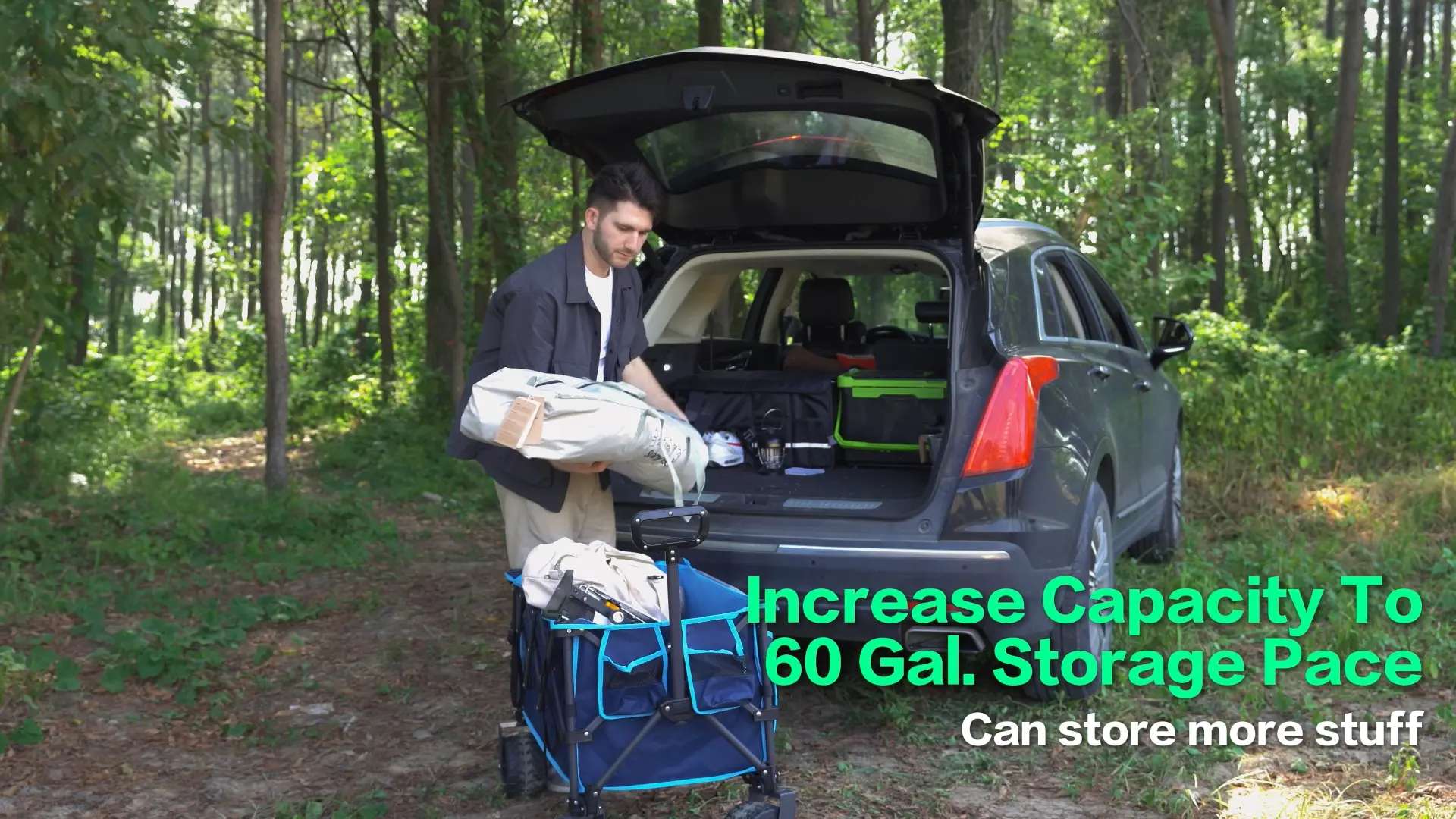
Wheel choice is big, but other parts matter too. The frame, fabric, and folding mechanism all shape how the wagon handles weight, stress, and regular use.
Frame Quality and Durability
The frame sets the strength limit of a collapsible utility wagon. Steel frames handle heavier loads and resist bending on rough ground. Aluminum frames weigh less, but they can flex under heavy weight. Always check the load rating—don’t push it.
Fabric matters a lot too. Many wagons use 600D Oxford fabric since it resists tears and handles moisture better than thin polyester. Double stitching and reinforced corners keep things from ripping when you haul coolers or camping gear.
Wide axle supports and solid welds (not rivets) keep the wagon stable on rough ground. A strong frame protects your wheels and keeps things rolling straight.
Folding Mechanism and Foldability
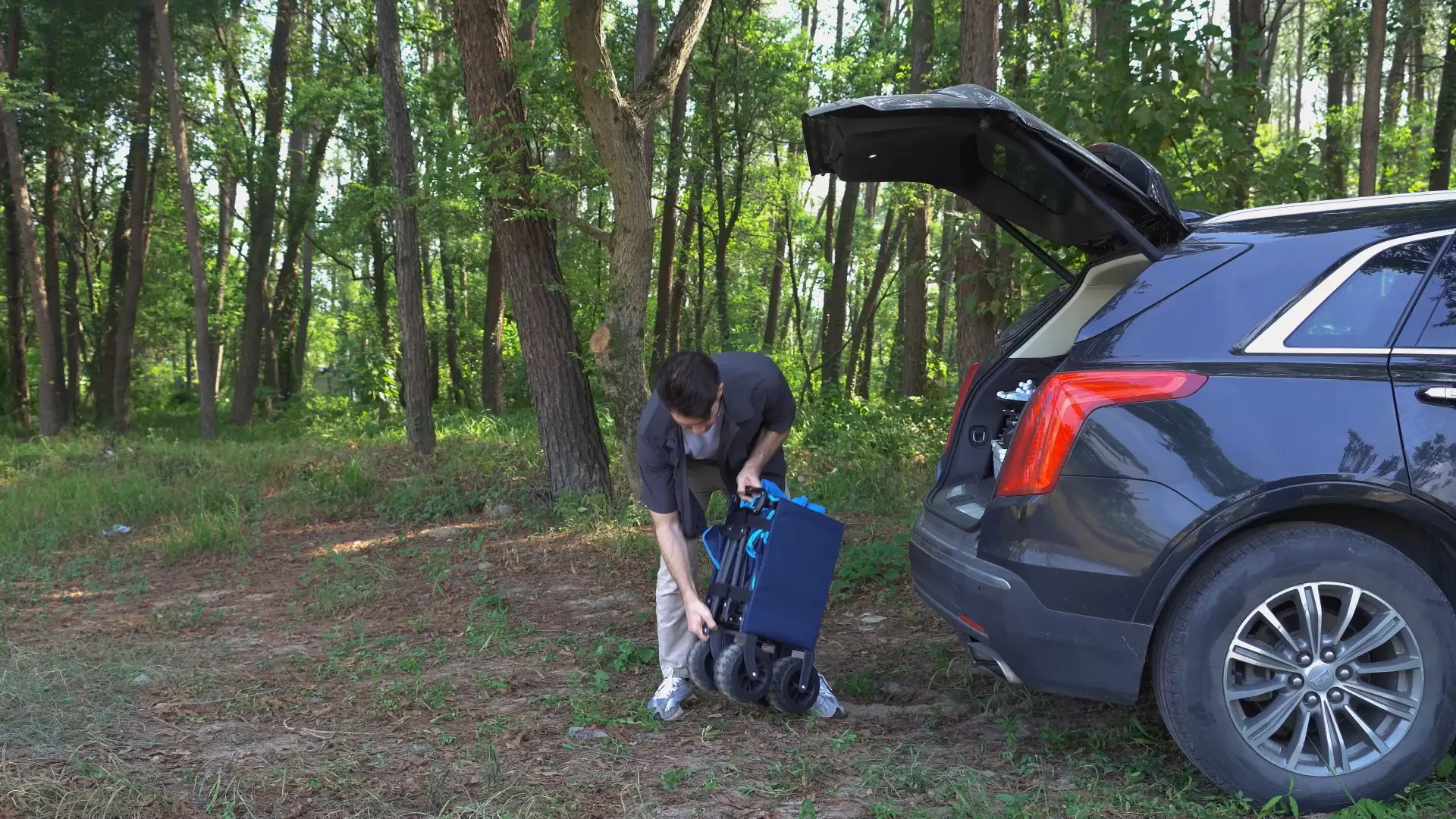
The folding mechanism affects setup speed and long-term reliability. Simple pull-strap designs fold fast and use fewer moving parts. Fewer joints mean less chance of something breaking down the road.
Check how small the wagon folds. A tight fold fits better in trunks and closets. Locking hinges help too—they keep the frame rigid when open and loaded.
Some designs fold inward, others collapse flat. Flat folds store easier but sometimes weigh more. Try the handle movement—a smooth fold without binding usually means a better-built mechanism.
Choosing the Right Wagon for Your Needs
Getting the right wagon means thinking about the frame, wheels, and what you actually haul. Terrain, trip length, and the amount of gear you bring should guide your choices.
Matching Wagon and Wheel Type to Activities
Think about where and how you’ll use your wagon when camping. Regular wheels work best on packed dirt, pavement, and those typical campground paths.
They’re quick, lightweight, and ideal for short hauls from your car to your tent. If you’re heading onto sand, loose gravel, grass, or mud, wide wheels are the way to go.
Wide wheels spread out the weight and help keep the wagon from sinking. This is a big deal on beaches, open fields, or rougher campsites.
Here’s a quick reference:
| Activity | Best Wheel Type | Why It Works |
| Car camping | Regular | Easy rolling on firm ground |
| Beach camping | Wide | Better float on sand |
| Group or family trips | Wide | Handles heavy loads |
| Day trips, light gear | Regular | Lighter and easier to pull |
Check the load ratings. Most camping wagons claim 150–200 lbs capacity, but the wheels often set the real limit.
Budget, Storage, and Portability Considerations
Budget isn’t just about the wagon—it’s about the wheels too. Regular-wheel collapsible wagons usually cost less and work fine for casual camping.
Wide-wheel models run pricier because of their size and materials. Storage matters, especially if you’re tight on space. Wide wheels take up more room, even folded.
Measure your trunk, closet, or garage before you order. Some wagons let you remove the wheels, which can help in cramped storage spots.
Portability changes the game. Lighter wagons are easier to lift, but sometimes flex if you overload them. Heavier frames feel sturdier, though you’ll notice the extra weight on hills.
Keep an eye on these features:
- Fold size—not just how big it is when open
- Frame strength, especially at the joints
- Handle height and grip—nobody likes sore wrists
Frequently Asked Questions
What factors should be considered when selecting wheel size for a folding camping wagon?
It’s smart to match wheel size to your usual terrain. Larger wheels roll over rocks and ruts with less effort than smaller ones.
Heavier loads do better with big wheels since they spread out the weight and put less strain on the frame. Storage and carrying matter too, honestly. Bigger wheels mean extra bulk and weight, which can make folding and hauling the wagon a bit more awkward.
How do wide wheels on a folding camping wagon improve performance on different terrains?
Wide wheels spread the load across a bigger patch of ground. That keeps the wagon from sinking in soft sand, mud, or loose dirt.
They boost stability on bumpy ground, so the wagon feels less tippy on grass or gravel. On pavement, though, wide wheels can feel a bit sluggish because there’s more surface contact and rolling resistance.
What are the pros and cons of regular vs. wide wheels for a folding camping wagon?
Regular wheels work fine on pavement, packed dirt, or smooth park paths. They roll faster and weigh less.
This makes the wagon easier to fold and stash away.
Wide wheels shine on sand, loose gravel, or soft ground. They carry heavy loads without sinking much.
Pulling feels easier with wide wheels when the ground’s tricky.So, the choice really depends on where you’ll use the wagon most. Regular wheels lean toward speed and portability; wide wheels lean toward traction and stability.
Want to Know More About Our Products?
View All Products Now