Ultralight vs Heavy-Duty Camping Chairs: Which Model Is Right for Your Brand?


Jump to section
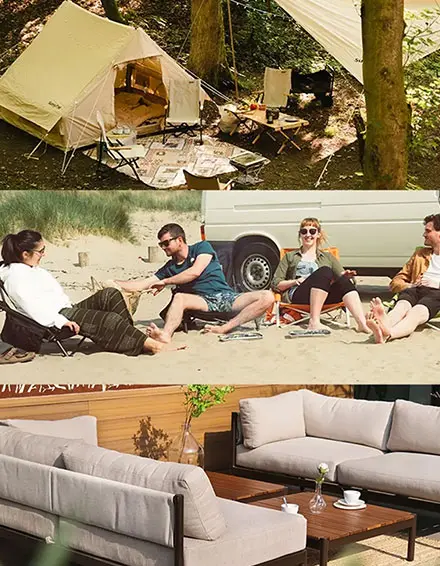
Ultralight camping chairs are portable, compact seats designed for weight-conscious outdoor enthusiasts, while heavy-duty camping chairs are reinforced, high-capacity seats built for comfort and durability in stationary settings. Retailers should stock based on their target customer profile, margin strategy, and seasonal demand patterns. This guide compares both product lines from a retail sourcing perspective to help buyers make informed stocking decisions.
What Is an Ultralight Camping Chair and Who Is It Designed For?
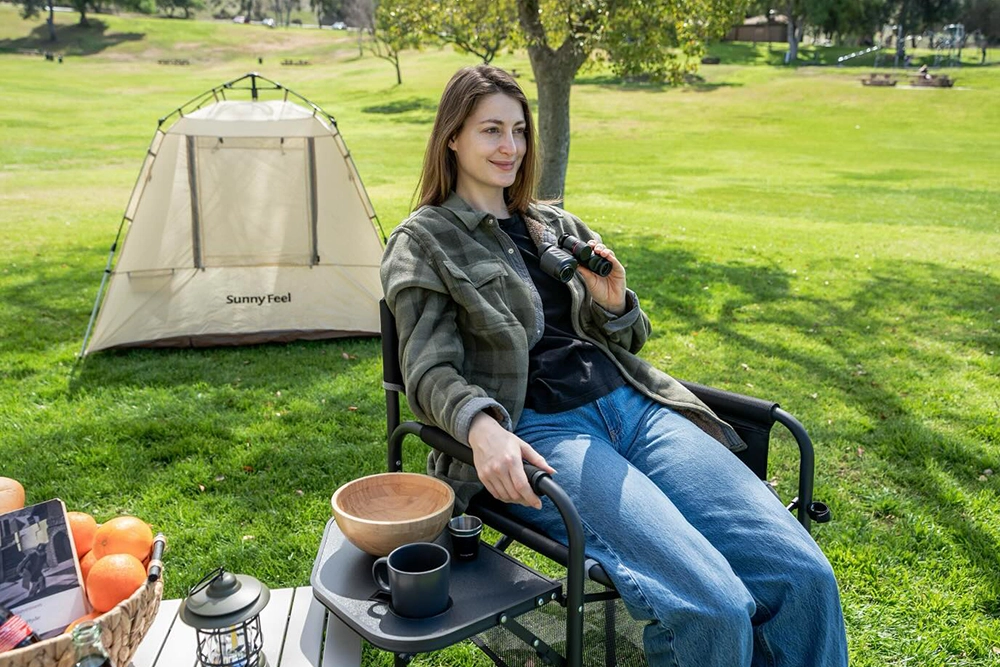
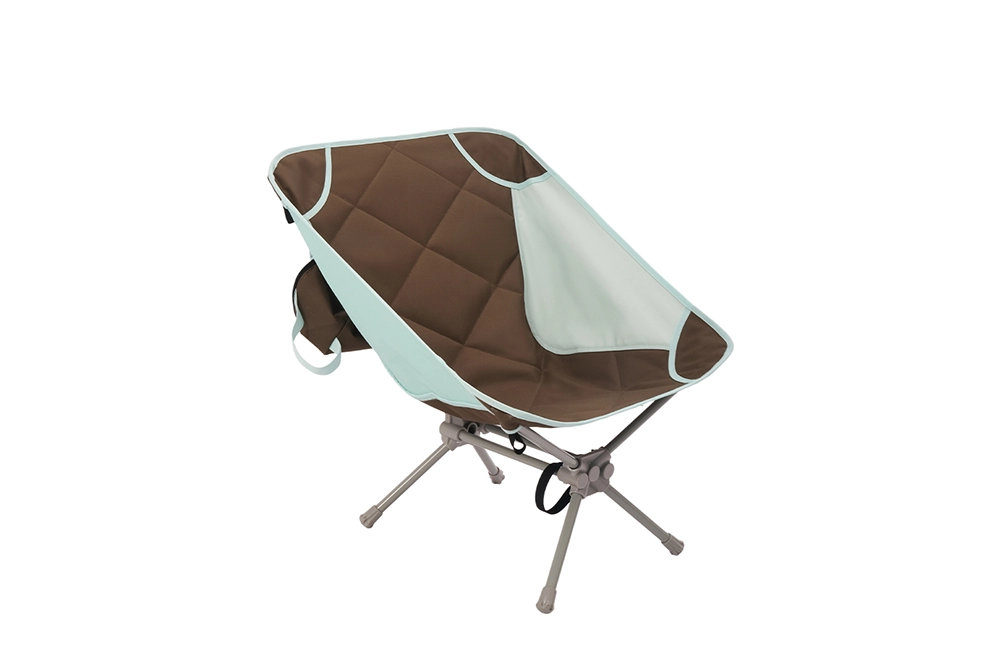
An ultralight camping chair is a portable folding seat that typically weighs between 1 and 3 pounds, features an aluminum alloy frame, and packs down to the size of a water bottle. It is designed for backpackers, hikers, and minimalist campers who prioritize portability over comfort.
What Materials and Frame Construction Define Ultralight Camping Chairs?
Ultralight camping chairs rely on aluminum alloy poles connected by shock-cord systems similar to tent pole construction. The seat fabric is typically 100D to 300D ripstop nylon or polyester, chosen for its high strength-to-weight ratio. This material combination allows manufacturers to achieve extreme weight savings while maintaining functional load capacity. Retailers sourcing ultralight camping chairs should pay close attention to pole diameter, hub material, and fabric denier as primary quality indicators.
What Are the Typical Weight, Pack Size, and Weight Capacity Specifications?
Ultralight camping chairs generally weigh between 1 and 3 pounds, pack down to approximately 4 × 14 inches, and support weight capacities ranging from 250 to 320 pounds. Seat height is notably low — typically 8 to 12 inches off the ground — which affects user comfort and accessibility for certain customer segments.
What End-User Scenarios Drive Demand for Ultralight Camping Chairs?
Demand for ultralight camping chairs comes primarily from backpackers, bikepacking enthusiasts, thru-hikers, and minimalist car campers. Secondary demand comes from festival-goers, travel photographers, and outdoor event attendees who need a compact, packable seat that fits into carry-on luggage or daypack side pockets.
What Is a Heavy-Duty Camping Chair and What Makes It Different?

A heavy-duty camping chair is a reinforced folding seat that typically weighs between 9 and 15 pounds, features a powder-coated steel frame, and supports weight capacities of 400 to 800 pounds. It is designed for car campers, event-goers, and users who prioritize comfort, stability, and durability over portability.
What Materials and Frame Construction Define Heavy-Duty Camping Chairs?
Heavy-duty camping chairs use powder-coated steel tube frames with reinforced joint construction. The seat fabric is typically 600D Oxford polyester, often quilted with foam padding for additional comfort and insulation. Anti-slip rubber foot pads provide ground stability, and double-stitch seams extend product lifespan. Retailers sourcing heavy-duty camping chairs should evaluate tube wall thickness, coating quality, and seam reinforcement as key durability markers.
What Are the Typical Weight, Dimensions, and Weight Capacity Specifications?
Heavy-duty camping chairs generally weigh between 9 and 15 pounds, with seat widths of 20 to 25 inches, seat heights of 17 to 19 inches, and weight capacities ranging from 400 to 800 pounds. The higher seat position makes these chairs accessible to a much wider range of body types and age groups compared to low-profile ultralight models.
What End-User Scenarios Drive Demand for Heavy-Duty Camping Chairs?
Heavy-duty chairs serve car campers, RV park residents, tailgate party hosts, outdoor sports spectators, and families with backyard entertaining needs. They are also a core product for campground and RV park operators who purchase in bulk for guest amenities and rental fleets.
What Are the Key Differences Between Ultralight and Heavy-Duty Camping Chairs?
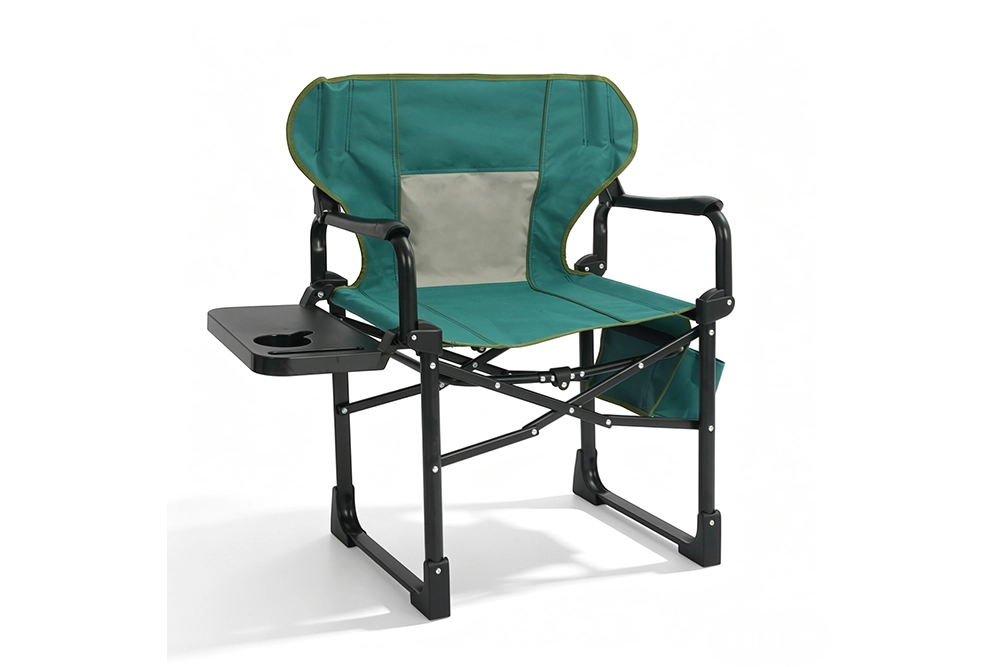
The key differences between ultralight and heavy-duty camping chairs lie in frame material, fabric construction, seat height, portability, comfort features, ground stability, and retail price point. Ultralight models prioritize packability with aluminum frames, while heavy-duty models prioritize stability and comfort with reinforced steel construction.
Frame Material
Aluminum alloy frames deliver significant weight savings and natural corrosion resistance, but cost more per unit and flex under heavy loads. Steel tube frames are heavier but offer superior structural rigidity, higher weight capacity, and lower material cost — making them the standard choice for high-volume retail products where durability perception drives purchase decisions.
Fabric and Seat Construction
Ultralight chairs use thin ripstop fabrics (100D–300D) that are breathable and packable but offer minimal padding and lower puncture resistance. Heavy-duty chairs use 600D Oxford polyester, often with quilted foam padding that provides cushioning, insulation in cooler weather, and a premium feel that enhances in-store sell-through. However, heavy-duty fabrics may sag or stretch after extended use under sustained heavy loads.
Seat Height and User Accessibility
Seat height directly determines which customer segments a retailer can serve. Ultralight chairs sit just 8 to 12 inches off the ground, making them difficult for taller adults, elderly users, and anyone with mobility limitations. Heavy-duty chairs offer seat heights of 17 to 19 inches — comparable to a standard dining chair — which makes them accessible to virtually all body types. Retailers targeting broad demographics should weigh this specification heavily.
Comfort Features and Accessories
Heavy-duty camping chairs typically include built-in cup holders, side storage pockets, padded armrests, and sometimes headrest pockets. These features significantly enhance in-store display appeal and give sales staff concrete selling points. Ultralight chairs are intentionally stripped of accessories to minimize weight, which means they rely on specification-based selling rather than feature demonstration.
Setup Complexity
Ultralight chairs require pole-by-pole assembly that takes 1 to 2 minutes and involves a learning curve for first-time users. Heavy-duty chairs typically use a one-step unfold mechanism that allows instant setup. This difference affects in-store demonstration efficiency, unboxing satisfaction, and return rates — products that frustrate users during first setup generate more negative reviews.
Ground Stability
Ultralight chairs have a small ground footprint due to narrow leg spread, making them prone to tipping on sand, soft soil, or sloped surfaces. Heavy-duty chairs feature wider bases with large rubber foot pads that maintain stability across virtually all terrain types. For retailers serving coastal or campground markets, ground stability is a critical factor in customer satisfaction. Retailers offering beach furniture alongside camping chairs should consider terrain compatibility when curating product assortments.
Retail Price Point and Profit Margin
The margin structure differs fundamentally between these two lines. Ultralight chairs command higher per-unit retail prices due to premium materials, but serve a narrower customer base. Heavy-duty chairs sell at lower price points but move in significantly higher volumes with broader appeal. Specialty outdoor stores typically benefit more from ultralight margins, while mass-market retailers generate more total profit from heavy-duty volume.
What Are the Advantages and Disadvantages of Stocking Ultralight Camping Chairs?
Stocking ultralight camping chairs offers retailers access to a growing market of performance-oriented outdoor enthusiasts willing to pay premium prices, but the narrower customer base and higher per-unit cost require targeted marketing and careful inventory management.
Advantages include higher per-unit margins, compact inventory footprint that reduces warehousing costs, alignment with the growing outdoor lightweight trend, and appeal to high-value repeat customers who invest in performance gear.
Disadvantages include a smaller addressable customer base, thinner fabrics that are more vulnerable to wear and puncture damage, higher return risk when users exceed recommended weight limits or use chairs on unstable ground, and a higher wholesale cost per unit. Ultralight fabrics also degrade faster than heavy-duty materials — retailers should expect moderately higher warranty claims and include clear weight-limit guidance in product listings.
What Are the Advantages and Disadvantages of Stocking Heavy-Duty Camping Chairs?
Stocking heavy-duty camping chairs gives retailers a broadly appealing product line with high volume potential, feature-rich sell-through, and strong durability reputation, but the larger packed size increases warehousing costs and the lower price point demands higher sales volume.
Advantages include universal customer appeal across age groups and body types, feature-rich designs that drive impulse purchases, strong durability reputation that supports positive reviews, quilted fabrics that extend the selling season into cooler months, simpler setup that reduces return rates, and lower per-unit wholesale cost.
Disadvantages include higher warehousing and shipping costs due to larger packed dimensions, lower per-unit margins that require volume-driven sales strategies, potential fabric sagging over time under sustained loads, and product differentiation challenges in a crowded market where heavy-duty designs tend to look similar across suppliers.
Should Retailers Consider Mid-Weight Camping Chairs as a Third Option?
A mid-weight camping chair is a crossover design that typically weighs between 3 and 5 pounds, combining the aluminum frame construction of ultralight models with the higher backrest and wider seat of heavy-duty chairs. It appeals to car campers who still value moderate portability and improved comfort.
Mid-weight chairs often feature 300D to 600D fabrics, seat heights of 12 to 16 inches, and weight capacities around 250 to 350 pounds. For retailers, this segment offers a “best of both” positioning that resonates with customers who find ultralight too minimal and heavy-duty too bulky. Stocking mid-weight options alongside the other two lines creates a natural good-better-best merchandising structure within the camping chair category.
How Should Retailers Choose Between Ultralight and Heavy-Duty Camping Chair Lines?
Retailers should base their stocking decision on three factors: target customer demographics, sales channel characteristics, and seasonal demand patterns.
Retailers should prioritize ultralight lines when their core customers are performance-oriented outdoor enthusiasts — backpackers, hikers, and adventure travelers. This includes specialty outdoor gear shops, curated e-commerce stores, and brands building a premium outdoor identity.
Retailers should prioritize heavy-duty lines when serving broad consumer demographics — families, casual campers, event organizers, and campground operators. This includes mass-market retailers, warehouse clubs, outdoor superstores, and B2B suppliers serving hospitality and rental businesses.
Combining both models under a tiered strategy is the approach many successful retailers adopt. Heavy-duty chairs serve as the high-volume base layer, ultralight chairs serve as the premium margin layer, and mid-weight crossovers fill the middle tier. Retailers can explore the full product catalog to build a balanced assortment across all three tiers.
What Product Features Should Retailers Evaluate When Sourcing Camping Chairs?
Retailers should evaluate camping chairs across six sourcing dimensions: frame material and weight capacity, fabric denier and weather resistance, packed size and shipping efficiency, comfort features, safety certifications, and customization options.
Frame durability and fabric grade are the most critical quality indicators. Retailers should verify tube wall thickness, coating type, fabric denier rating, UV resistance, and seam reinforcement. Manufacturers with dual production facilities can typically offer more consistent quality control across large orders.
Safety certifications matter for market access. Retailers targeting European markets should require EN581 compliance for outdoor seating, while REACH certification confirms chemical safety and BSCI audits verify responsible manufacturing practices.
For brand differentiation, retailers should explore OEM and ODM customization — including custom fabric colors, logo printing, branded packaging, and structural modifications — to create private-label products that stand apart from generic alternatives.
FAQs
What is the ideal MOQ when ordering ultralight vs heavy-duty camping chairs?
MOQs vary by manufacturer and customization level. Heavy-duty chairs with standard designs typically offer lower MOQs, while ultralight chairs with specialized materials may require higher minimums.
How does packed size affect container loading efficiency?
Ultralight chairs pack smaller, allowing more units per container. Heavy-duty chairs consume more cubic space, increasing per-unit shipping cost — a factor to include in landed cost calculations.
Which camping chair type has a lower return rate?
Heavy-duty chairs generally experience lower return rates due to simpler setup, broader user compatibility, and more forgiving durability under varied conditions.
Can retailers order mixed containers with both types?
Most manufacturers support mixed-container loading, allowing retailers to combine ultralight, mid-weight, and heavy-duty models in a single shipment to test multiple lines simultaneously.
How does seat height affect customer demographics?
Low-seat ultralight chairs (8–12 inches) exclude elderly users and those with mobility limitations. Retailers serving diverse demographics should ensure their assortment includes higher-seat options (17–19 inches) for universal accessibility.
Want to Know More About Our Products?
View All Products NowAbout Author
Spring Nee
Spring Nee is the Sales & Marketing Director at Zhejiang Sunshine Leisure Products Co., Ltd. With nearly 20 years of experience in the outdoor leisure furniture industry, she specializes in camping chairs, beach chairs, folding outdoor seating, and OEM/ODM project communication. Spring also leads the company’s marketing content direction. Most of the articles published on this website are either written by Spring herself or reviewed by her before publication, ensuring that the content is practical, accurate, and based on real industry experience.