Types of Camping: A Complete Guide

Jump to section
Camping is the practice of staying overnight outdoors, typically in a tent, vehicle, or temporary shelter, away from one’s permanent home. In the United States alone, over 57 million households go camping at least once per year, making it one of the country’s most popular outdoor activities.
But not all camping looks the same. From luxury glamping resorts to sleeping under the open sky with nothing but a sleeping bag, the camping world covers a wide spectrum of comfort levels, gear requirements, and experiences. Understanding the different types helps campers choose the style that best fits their budget, fitness level, and comfort preferences.
This guide walks through the major types of camping, ordered roughly from most comfortable to most minimal, and explains what each one involves.
Car Camping
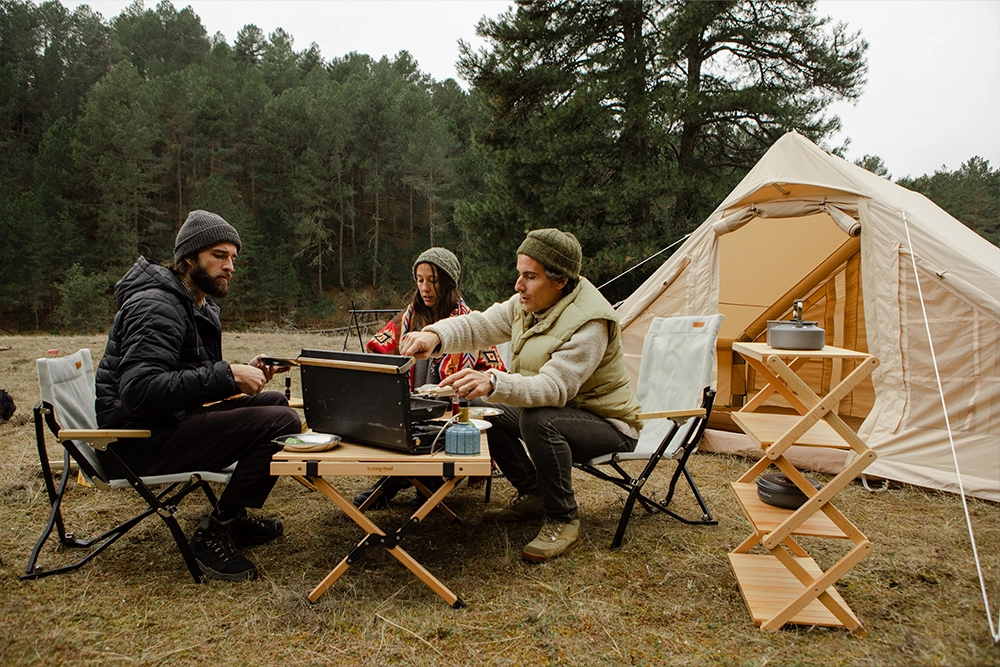
Car camping is the most accessible form of camping. It means driving a vehicle directly to a campsite and setting up camp right next to the car. Because campers do not need to carry gear on their backs, there is no real weight limit on what they can bring.
A typical car camping setup includes a tent, sleeping bags, a cooler full of food, a portable stove, a folding table, and camping chairs. Since the car serves as a mobile storage unit, campers can pack comfort items like extra blankets, lanterns, and even portable speakers.
Car camping works well in established campgrounds at national parks, state parks, and private campsites. Most of these campgrounds provide amenities such as fire pits, picnic tables, restrooms, and potable water. Fees typically range from $15 to $50 per night depending on the location and season.
This style of camping is ideal for families with children, first-time campers, and anyone who values convenience without sacrificing the outdoor experience. It is also the go-to choice for festival campers attending events like music festivals and outdoor gatherings.
Is car camping legal? In most designated campgrounds, yes. However, sleeping in a car on the side of a public road or in a parking lot may violate local ordinances. Campers should always check the rules of the specific area before setting up.
Glamping
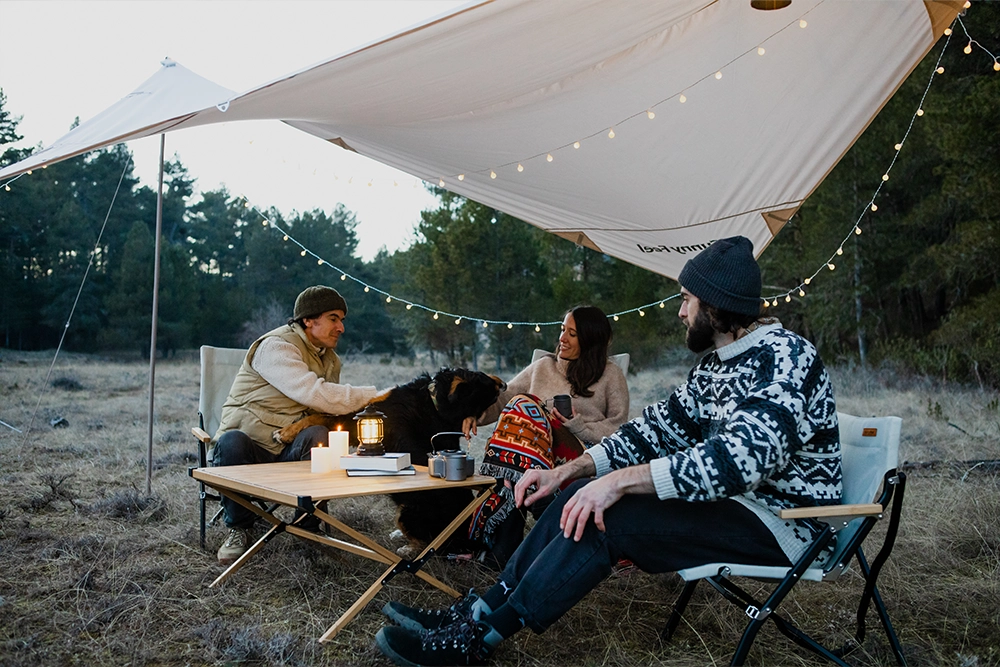
Glamping is short for “glamorous camping.” It combines the outdoor experience of camping with the comfort and amenities of a hotel. Instead of a basic tent, glamping accommodations may include safari tents, yurts, treehouses, or fully furnished cabins.
The key difference between glamping and traditional camping is the level of comfort and service. Glamping sites often provide real beds, electricity, running water, private bathrooms, and sometimes even air conditioning or heating. Some luxury glamping resorts offer gourmet meals, guided nature tours, and spa services.
Here is a quick comparison:
| Feature | Traditional Camping | Glamping |
| Shelter | Self-pitched tent | Pre-built structure (yurt, safari tent, cabin) |
| Bedding | Sleeping bag on pad | Real bed with linens |
| Bathroom | Shared campground restroom or none | Private or en-suite bathroom |
| Price per night | $0–$50 | $100–$500+ |
| Setup effort | High (pitch tent, arrange gear) | None (arrive and settle in) |
Campers who want to turn an ordinary camping trip into a glamping experience can start with a few simple upgrades. Replacing a basic ground pad with an air mattress, bringing string lights for ambiance, and swapping a standard folding chair for a padded reclining chair with armrests and a cup holder all make a noticeable difference.
Glamping appeals to couples on romantic getaways, groups celebrating special occasions, and anyone who loves nature but prefers not to rough it.
Dispersed Camping
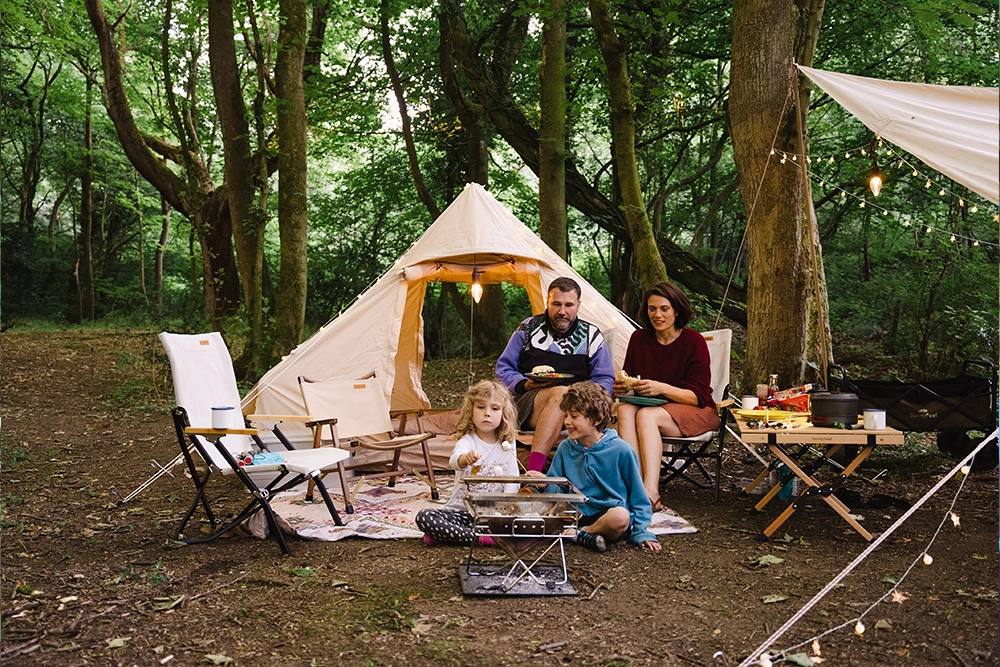
Dispersed camping is one of the most searched camping topics in the United States, and for good reason. It refers to camping on public land outside of a designated, developed campground. There are no assigned sites, no restrooms, no picnic tables, and no running water. Campers choose their own spot in the wilderness and are fully self-sufficient.
Dispersed camping is allowed on most national forest land and Bureau of Land Management (BLM) land across the western United States. In most cases, it is completely free. However, campers must follow a few basic rules:
- Camp at least 200 feet from any water source, trail, or road.
- Stay no longer than 14 days in one spot (the standard federal limit).
- Follow all local fire restrictions.
- Practice Leave No Trace principles: pack out all trash, minimize campfire impact, and leave the site as it was found.
Some national forests require a free permit, so it is always best to check with the local ranger district before heading out.
Finding good dispersed camping spots takes a bit of research. Popular tools include apps and websites that display public land boundaries and user-reported campsites. Satellite imagery from mapping services also helps campers identify flat, accessible areas near forest roads.
Because there are no facilities, dispersed campers need to bring everything with them. A reliable tent, sufficient water or a filtration system, a camp stove, and a lightweight portable chair are all essential. The chair may seem like a small detail, but after a long day of hiking or exploring, having a comfortable place to sit that is not a rock or a log makes a real difference.
Dry Camping
Dry camping means camping without any hookups for water, electricity, or sewer. The term is most commonly used in the RV and camper van community. An RV parked at a campsite without plugging into any utilities is dry camping.
This is different from dispersed camping in that dry camping can take place in a developed campground. Some campgrounds offer sites with no hookups at a lower price. Other dry campers park in designated free areas such as certain retail parking lots that allow overnight RV stays.
The main challenge of dry camping is resource management. RV dry campers need to monitor their fresh water tank, battery power, and waste water tank carefully. A standard RV battery can last one to three days depending on usage. Solar panels, portable generators, and LED lighting help extend that range.
Dry camping vs. boondocking: These two terms are closely related and often used interchangeably. The distinction is subtle. Dry camping broadly refers to any camping without hookups, whether in a campground or not. Boondocking specifically implies free, remote camping, often on public land, with no hookups and no fees.
Boondocking
Boondocking is free, self-contained camping, usually in an RV or camper van, in remote or undeveloped areas. The name comes from “boondocks,” meaning a remote, rural area.
Boondockers typically park on BLM land, national forest roads, or other public areas that allow overnight stays. There are no services, no reserved sites, and no fees. The experience is defined by self-sufficiency: campers bring their own water, generate their own power (often via solar), and manage their own waste.
To clarify the terms that often cause confusion:
| Term | Hookups? | Fee? | Location |
| Dry Camping | No | Sometimes | Campground or remote |
| Boondocking | No | Free | Remote public land |
| Dispersed Camping | No | Free | National forest or BLM land |
The overlap is significant. Boondocking on BLM land is a form of dispersed camping. But “dispersed camping” is the official term used by the U.S. Forest Service, while “boondocking” is more of a community-driven term popular among RV travelers.
Primitive Camping
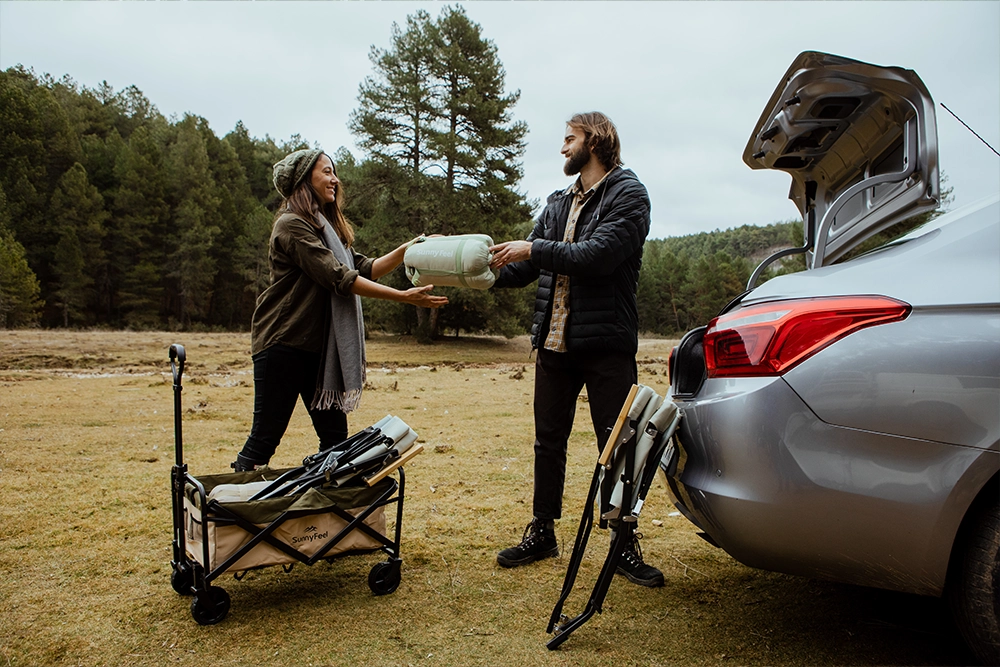
Primitive camping takes place at designated campsites that have little to no infrastructure. A primitive campsite might have a fire ring and a cleared area for a tent, but nothing else. There are no bathrooms, no running water, no electricity, and no trash service.
The key difference between primitive camping and dispersed camping is that primitive sites are typically marked or assigned. A camper goes to a specific spot within a park or forest, whereas dispersed camping means choosing any legal location on open public land.
Primitive camping is common in state parks, national parks, and wildlife management areas. Some locations require a reservation or a small fee, while others are free with a permit.
Gear for primitive camping should prioritize function and portability. Since campers often need to carry equipment a short distance from a parking area to the site, keeping weight manageable matters. Essentials include a durable tent, a sleeping pad, a water filter, fire-starting supplies, and a compact folding chair. Sitting on uneven ground or damp logs for an entire trip is uncomfortable, so a lightweight chair is a practical addition to any primitive camping checklist.
Backcountry Camping
Backcountry camping is the type of camping that requires hiking, paddling, or otherwise traveling into remote areas far from roads and developed campgrounds. Reaching a backcountry campsite might involve a multi-mile hike with all gear carried in a backpack.
Because every ounce matters on the trail, backcountry campers are extremely selective about what they pack. Gear must be lightweight, compact, and multi-functional. A backcountry packing list typically includes an ultralight tent or bivy sack, a compact sleeping bag, a water purification method, freeze-dried meals, and navigation tools.
For campers who want a place to sit at camp that is not the bare ground, ultralight camping chairs weighing under one kilogram now exist. These chairs pack down to the size of a water bottle and add minimal weight to a pack while providing real comfort at the end of a long day on the trail.
Many popular backcountry areas in U.S. national parks require a wilderness permit. Permits help manage the number of visitors and protect fragile ecosystems. Campers should plan ahead and reserve permits well in advance, especially for high-demand destinations.
Stealth Camping
Stealth camping means setting up camp in a location where the camper intends to remain unnoticed. Long-distance cyclists, thru-hikers, and urban travelers sometimes use stealth camping when no legal campsite is available nearby.
Is stealth camping illegal? The answer depends entirely on location. Camping on private land without permission is trespassing. Camping in urban areas, public parks, or roadside areas may violate local ordinances. On the other hand, in some rural areas and on certain public lands, setting up a discreet camp for one night may not technically violate any laws.
Stealth camping is more of a practical necessity for some travelers than a recreational choice. Those who practice it follow an informal code of ethics: arrive late, leave early, leave no trace, and cause no disturbance. The goal is to rest for the night without impacting the area or drawing attention.
Cowboy Camping
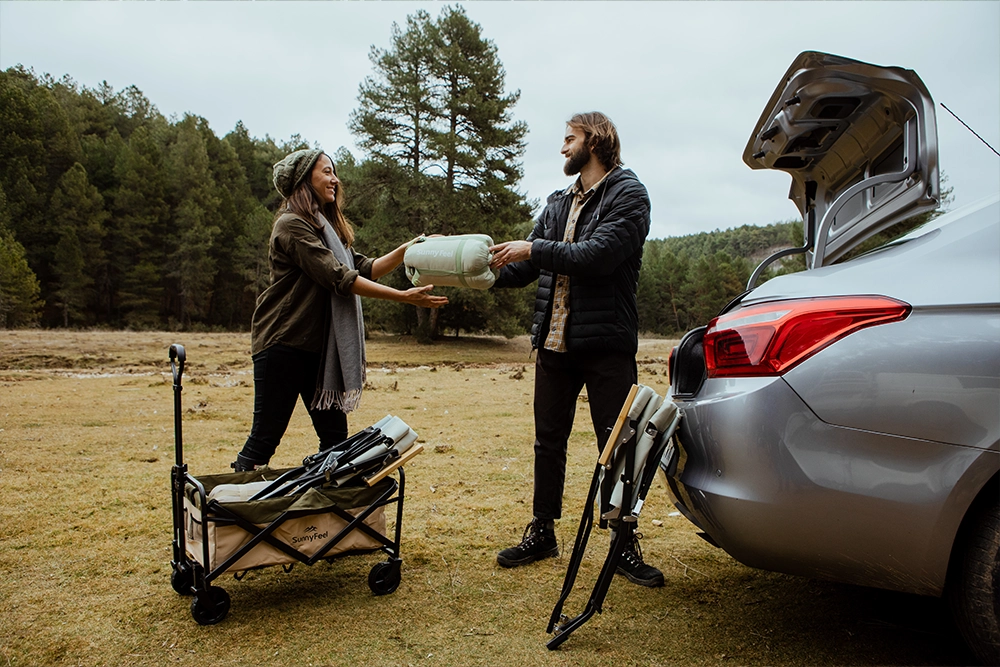
Cowboy camping is camping without a tent. The camper sleeps directly under the open sky, using just a sleeping bag or a bedroll. It is the most stripped-down form of camping possible.
This style works best in dry climates with clear weather and low insect activity. The deserts of the American Southwest, the open plains, and high alpine meadows are popular cowboy camping environments. In these settings, the lack of a tent offers an unobstructed view of the stars and a uniquely immersive experience in nature.
The risks are straightforward. Rain, wind, or sudden weather changes can make for a miserable night. Insects, snakes, and other wildlife may also be concerns depending on the region and season. Cowboy campers should always check the weather forecast and understand the local wildlife before committing to a night without shelter.
Wild Camping and Its Legal Status
Wild camping is a broad term for camping in undeveloped natural areas, typically without formal permission or a designated site. The term is more common in European countries, where “wild camping” laws vary widely by nation. In the United Kingdom, for example, wild camping is generally prohibited in England and Wales but is permitted in many parts of Scotland under the right to roam.
In the United States, the concept overlaps heavily with dispersed camping. Camping on BLM land and national forest land is legal and free in most cases, making the U.S. one of the more accessible countries for wild-style camping. However, rules differ by state, county, and land management agency. National parks, state parks, and private land all have their own regulations.
Campers interested in wild camping in the U.S. should start with these guidelines:
- National forests and BLM land generally allow free dispersed camping.
- National parks require campers to stay in designated sites or obtain a backcountry permit.
- State parks vary widely — some allow primitive camping, others do not.
- Private land always requires the landowner’s permission.
Other Notable Styles
Fly camping is a term that originated in East Africa. It describes a lightweight, minimalist camping style used during safari excursions. Participants leave the main lodge or camp to spend a night in a simple, temporary setup in the bush, guided by experienced safari staff. It is not common outside of African safari tourism.
Bathroom camping is an internet slang term, not a recognized type of camping. It typically appears in online humor referring to spending excessive time in a bathroom. It is not a legitimate camping category and should not be confused with actual outdoor camping styles.
Camping Types at a Glance
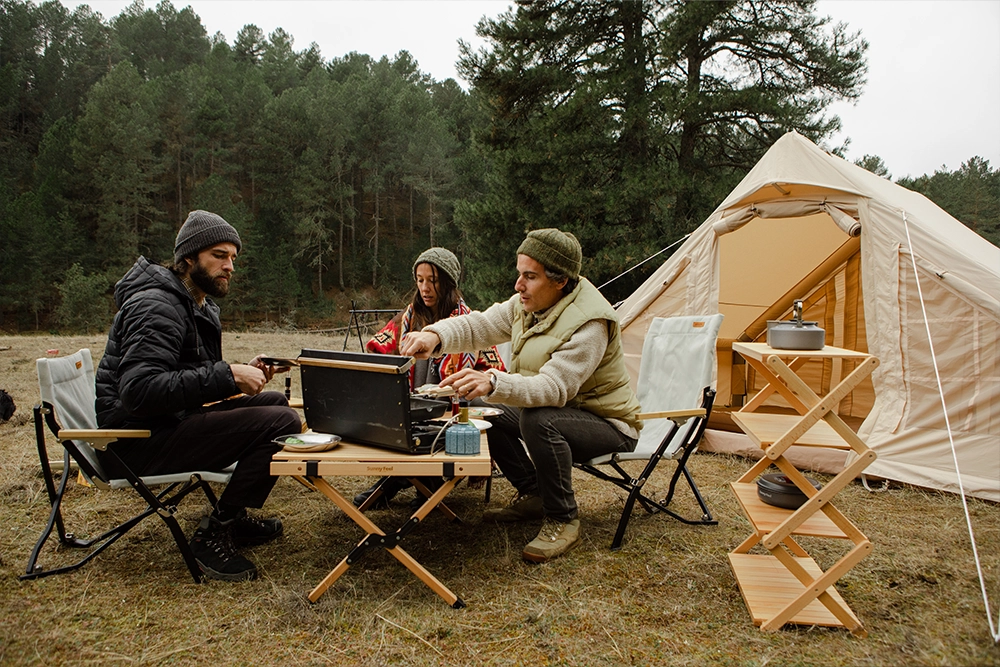
The following table summarizes how each type of camping compares across key dimensions. This comparison helps campers quickly identify which style matches their preferences.
| Type | Comfort Level | Gear Weight Limit | Typical Cost | Best For |
| Car Camping | High | No limit | $15–$50/night | Families, beginners |
| Glamping | Very high | No limit | $100–$500+/night | Couples, luxury seekers |
| Dispersed Camping | Moderate | Medium | Free | Explorers, solitude seekers |
| Dry Camping | Moderate | Low to medium | Free to low | RV travelers |
| Boondocking | Moderate | Low to medium | Free | RV and van life enthusiasts |
| Primitive Camping | Low to moderate | Low | Free to low | Experienced campers |
| Backcountry Camping | Low | Very low | Low (permit fees) | Hikers, backpackers |
| Stealth Camping | Low | Very low | Free | Long-distance travelers |
| Cowboy Camping | Minimal | Very low | Free | Minimalists, clear-sky lovers |
Each camping style serves a different purpose and audience. A family new to the outdoors will likely start with car camping at a developed campground, while an experienced thru-hiker may prefer backcountry or even cowboy camping. There is no single “right” way to camp — the best type is the one that matches the camper’s goals, experience level, and comfort needs.
FAQs
What is the easiest type of camping for beginners?
Car camping is the best starting point for beginners. The vehicle stays parked right next to the campsite, so there is no need to carry heavy gear on foot. Campers can bring as much equipment as their car can hold, including full-size chairs, coolers, and even mattresses. Most car camping takes place in developed campgrounds with restrooms, fire pits, and potable water, which removes much of the uncertainty that new campers face.
Do I need a permit for backcountry camping?
It depends on the location. Many national parks require a wilderness permit for backcountry camping, and some parks limit the number of permits issued per day to protect the environment. National forests are generally more flexible, with many areas allowing backcountry camping without a permit. State parks vary widely. Campers should research the specific regulations of their destination well in advance, especially for popular areas where permits may fill up quickly.
Conclusion
The world of camping offers something for every type of outdoor enthusiast. Car camping and glamping provide comfort and convenience for those who want to enjoy nature without giving up modern amenities. Dispersed camping, dry camping, and boondocking appeal to adventurers who value freedom, solitude, and self-reliance. Primitive and backcountry camping challenges experienced outdoors people to go deeper into the wilderness with minimal gear. And for the true minimalists, stealth camping and cowboy camping strip the experience down to its most elemental form.
No matter which style a camper chooses, the right gear makes the difference between a good trip and a great one. A comfortable, durable chair is one of those essentials that works across nearly every camping style — from a heavy-duty recliner at a car camping site to an ultralight packable seat on a backcountry trail.
Sunshine Outdoor is a professional outdoor furniture manufacturer with over 21 years of experience supplying camping chairs, tables, cots, and other portable seating solutions for global brands. The company offers OEM and ODM services, international quality certifications, and a full range of products designed for every type of camping scenario covered in this guide. For retailers, distributors, and brand owners looking for a reliable manufacturing partner, visit sunshine-outdoor.com to explore the complete product line or request a free sample.
Want to Know More About Our Products?
View All Products NowAbout Author
Spring Nee
Spring Nee is the Sales & Marketing Director at Zhejiang Sunshine Leisure Products Co., Ltd. With nearly 20 years of experience in the outdoor leisure furniture industry, she specializes in camping chairs, beach chairs, folding outdoor seating, and OEM/ODM project communication. Spring also leads the company’s marketing content direction. Most of the articles published on this website are either written by Spring herself or reviewed by her before publication, ensuring that the content is practical, accurate, and based on real industry experience.